
by HOS | Aug 7, 2026 | Japanese Whisky
Japanese whisky is known for its balance, precision, and layered character. Yet tasting whisky is about more than simply taking a sip. By paying attention to appearance, aroma, texture, flavor, and finish, beginners can learn to identify subtle differences between bottles and develop a more confident palate.
This guide explains how to taste whisky step by step, recognize common flavor families, and understand what different aromas can reveal about a dram.
What Is Japanese Whisky?
Japanese whisky is whisky produced in Japan using carefully controlled production methods. Japanese distillers have developed a distinctive approach influenced partly by traditional Scotch whisky techniques while creating their own styles.
The category can include malt, grain, and blended expressions. Depending on the distillery, maturation, and cask selection, a whisky may offer delicate floral notes, fresh fruit, spice, vanilla, oak, smoke, or richer dessert-like flavors. If you’d like to understand how Japanese whisky compares to Scotch, bourbon, and other major styles, take a look at our complete guide to whisky types.
How Do You Taste Whisky Properly?
A structured tasting involves five basic stages:
- Look at the whisky.
- Smell the aroma.
- Taste a small amount.
- Evaluate the texture and development.
- Consider the finish.
There is no single “correct” tasting vocabulary. Your personal impressions matter. The goal is to notice what you experience rather than trying to identify a flavor perfectly.
Step 1: Examine the Appearance
Pour a small amount into a suitable whisky glass and hold it against a light background.
What Should You Look For?
Observe:
- Color
- Clarity
- Brightness
- Viscosity
Color can range from pale gold to deep amber. While appearance can offer clues about maturation and cask influence, it does not tell you exactly how a whisky will taste.
A whisky’s legs, or the streaks that form along the glass after swirling, may indicate viscosity, but they should not be treated as a reliable indicator of quality.
Step 2: Explore the Aroma
Smelling is one of the most important parts of tasting. Much of what people perceive as “flavor” actually comes through the sense of smell.
With Japanese whisky, begin by holding the glass slightly away from your nose. Take a gentle sniff rather than inhaling deeply. This helps prevent strong alcohol vapors from overwhelming more delicate aromas.
Look for Fruit Notes
You may notice aromas such as:
- Apple
- Pear
- Peach
- Citrus
- Dried fruit
- Tropical fruit
Fruit aromas can range from bright and fresh to cooked, dried, or candied.
Identify Floral and Herbal Notes
Some whiskies may present lighter aromas such as flowers, grass, herbs, or green tea. These characteristics can contribute to an elegant and refreshing profile.
Search for Sweet Aromas
Vanilla, caramel, honey, toffee, chocolate, and baking spices can develop through maturation and cask influence.
Don’t worry if you cannot identify an exact ingredient. If the aroma reminds you of something sweet, woody, fruity, or floral, that observation is useful.
Step 3: Take a Small Sip
Once you have explored the aroma, take a small sip and allow the whisky to move across your palate.
The first impression may be different from what you smelled. Pay attention to sweetness, acidity, spice, bitterness, alcohol warmth, and overall balance.
With Japanese whisky, you might encounter flavors ranging from orchard fruit and citrus to vanilla, oak, spice, malt, or subtle smoke.
Ask Yourself Three Questions
What do I taste first?
This is the opening impression.
What develops next?
Some whiskies reveal additional flavors after several seconds.
What remains afterward?
The lingering flavors contribute to the finish.
Step 4: Evaluate the Texture
Flavor is only part of the experience. Texture can change how a whisky feels in your mouth.
A whisky might seem:
- Light and delicate
- Creamy
- Silky
- Oily
- Full-bodied
- Dry
Texture should not be confused with quality. A lighter whisky can be just as carefully crafted as a rich, full-bodied expression.
Step 5: Study the Finish
The finish is what remains after swallowing.
A short finish may disappear quickly, while a long finish can continue developing for a significant period.
Notice whether the ending is sweet, spicy, smoky, fruity, woody, dry, or warming. A whisky may also transition from one character to another during the finish.
For example, a sip might begin with fresh fruit before developing vanilla and ending with gentle oak spice.
What Flavors Are Common in Whisky?
Understanding broad flavor categories makes tasting easier.
Fruit
Apple, pear, citrus, peach, raisins, and other fruits can appear in different expressions.
Sweet
Vanilla, caramel, honey, toffee, and chocolate are common descriptors.
Spice
Cinnamon, ginger, pepper, nutmeg, and clove can add warmth.
Wood
Oak, cedar, toasted wood, and tannins may reflect maturation.
Smoke
Some expressions feature smoke, char, earth, or subtle peat-like notes.
Floral
Rose, blossom, lavender, and other delicate floral impressions can add complexity.
How Does the Glass Affect Tasting?
Glassware can influence how aromas reach your nose. A tulip-shaped whisky glass is often useful because its narrower opening concentrates aromas.
Avoid filling the glass too much. A small pour leaves room for aromas to collect and makes it easier to swirl gently.
Temperature also matters. Tasting at room temperature is a common starting point, but personal preference should ultimately guide how you enjoy your whisky.
Should You Add Water?
Adding a few drops of water can change the tasting experience. Water may reduce the intensity of alcohol and allow certain aromas or flavors to become easier to detect.
Try the whisky neat first. Then add a small amount of water and taste it again.
When exploring Japanese whisky, comparing the neat and diluted versions can be an interesting way to understand how aroma and flavor develop.
How Can Beginners Improve Their Palate?
Developing a palate takes practice. You don’t need to memorize complicated tasting terminology.
Start by comparing two whiskies side by side. Ask which one smells fruitier, which feels richer, and which has a longer finish.
You can also smell familiar foods and ingredients separately. Try comparing vanilla, citrus peel, apples, cinnamon, toasted nuts, or honey with whisky aromas.
Writing down your observations can make changes easier to recognize over time.
Common Tasting Mistakes to Avoid
Beginners often make a few simple mistakes.
Drinking Too Quickly
Whisky is better explored slowly. Give aromas and flavors time to develop.
Focusing on the Price
Expensive does not automatically mean better for your personal preferences.
Searching for “Correct” Answers
Tasting is subjective. If you smell pear while another person smells apple, neither interpretation is necessarily wrong.
Using Too Much Water
A few drops can be enough. Adding too much may dilute the character you’re trying to evaluate.
How Do You Describe Whisky Flavors?
A simple tasting note can follow this structure:
Aroma → First Taste → Development → Texture → Finish
For example, you might describe a whisky as having a light citrus aroma, followed by apple and vanilla on the palate, a smooth texture, and a gently spicy finish.
This structure keeps tasting notes clear without requiring complicated terminology.
The Bottom Line
Learning to taste whisky is a gradual process. Start with the senses you already understand, identify broad flavor families, and gradually become more specific.
Japanese whisky can offer an especially interesting tasting experience because different expressions may showcase fruit, floral aromas, sweetness, spice, oak, and smoke in varying combinations.
The most important rule is simple: taste slowly, pay attention, and trust your own observations. With regular practice, identifying aromas and flavors becomes easier, and each tasting can reveal something new. Ready to put your palate to the test? Explore our collection of Japanese whisky and find a bottle that matches the flavors you enjoy most.
by HOS | Aug 7, 2026 | Whisky
Whisky types vary according to where they are made, the grains used, production methods, maturation, and blending techniques. From smoky Scotch and sweet bourbon to spicy rye and delicate Japanese whisky, each style offers a distinct experience.
For beginners, the sheer number of options can make whisky seem complicated. However, understanding a few key categories makes it much easier to navigate bottles, menus, and tasting notes. This guide explores the major styles, what defines them, and how to choose one based on your preferences.
What Are the Main Whisky Styles?
The major Whisky types include Scotch whisky, Irish whiskey, American whiskey, Canadian whisky, Japanese whisky, bourbon, rye whiskey, Tennessee whiskey, single malt, single grain, and blended whisky.
These categories can overlap. For example, bourbon is an American whiskey style, while single malt describes how a whisky is produced rather than simply where it comes from.
The most useful factors to consider are:
- Country or region of origin
- Grain composition
- Distillation method
- Maturation
- Cask type
- Blending
- Flavor profile
Scotch Whisky
Scotch whisky is produced in Scotland under specific legal requirements. It must be matured in oak casks in Scotland for at least three years.
Scotch can be made from malted barley, other cereals, or a combination of grains, depending on its category.
Scotch whisky is commonly divided into five categories:
- Single malt Scotch
- Single grain Scotch
- Blended Scotch
- Blended malt Scotch
- Blended grain Scotch
Its flavor can range from light and floral to rich, fruity, spicy, or heavily smoky. If you’re looking to explore this category further, browse our full range of Scotch whisky, from Highland to Islay expressions.
Single Malt Scotch
Single malt Scotch is made at one distillery using malted barley and pot stills.
The term “single” refers to the distillery, not a single barrel. A single malt can contain whisky from multiple casks as long as the whisky comes from the same distillery.
Blended Scotch
Blended Scotch combines malt whisky and grain whisky from different distilleries.
Blending allows producers to create balanced and consistent flavor profiles. A well-made blend can be complex and enjoyable while offering a different experience from a single malt.
Irish Whiskey
Irish whiskey is produced on the island of Ireland and includes several distinctive categories.
The primary styles include:
- Single malt
- Single pot still
- Single grain
- Blended Irish whiskey
Irish whiskey is often associated with smooth, approachable flavors, although the category includes plenty of variety. Discover the smooth character of Irish whiskey in our dedicated collection.
Single Pot Still Irish Whiskey
Single pot still whiskey is a particularly distinctive Irish style. It traditionally uses both malted and unmalted barley and is distilled in pot stills at one distillery.
The result can feature creamy textures, spice, fruit, and complex grain character.
American Whiskey
American whiskey encompasses several major styles, including bourbon, rye whiskey, Tennessee whiskey, corn whiskey, wheat whiskey, and American single malt.
Among the most recognized Whisky types in the American category are bourbon and rye whiskey.
The grain recipe is especially important because it can strongly influence the resulting flavor. Explore our American whiskey collection, featuring bourbon, rye, and beyond.
Bourbon
Bourbon is an American whiskey containing at least 51% corn in its mash bill. It is matured in new, charred oak containers and must meet additional legal requirements.
Bourbon commonly displays notes of:
- Vanilla
- Caramel
- Oak
- Toffee
- Baking spice
- Dried fruit
Its character can vary significantly depending on the grain recipe, barrel, maturation environment, and production techniques.
What Is a Bourbon Mash Bill?
A mash bill is the combination of grains used to produce a whiskey.
While corn must make up at least 51% of bourbon’s mash bill, producers can use other grains such as rye, wheat, and malted barley.
A higher rye content can produce a spicier profile, while wheat often contributes softer and sweeter characteristics. Shop our bourbon collection for rich, oak-driven American whiskey styles.
Rye Whiskey
American rye whiskey must contain at least 51% rye in its mash bill.
Rye is commonly associated with bold flavors such as:
- Black pepper
- Baking spice
- Herbs
- Citrus
- Toasted grain
Compared with many bourbon styles, rye whiskey can taste drier and more assertive.
Canadian whisky also has a long association with rye, although Canadian whisky and American rye whiskey are governed by different production and labeling requirements. Browse our American whiskey range to find bold, spice-forward rye expressions.
Tennessee Whiskey
Tennessee whiskey is produced in Tennessee and follows specific production traditions.
One well-known technique is the Lincoln County Process, which involves filtering the spirit through sugar maple charcoal before maturation.
This can contribute to a smoother character, although the overall flavor depends on numerous factors, including grain composition, distillation, barrels, and aging. Discover Tennessee-style whiskey within our American whiskey collection.
Canadian Whisky
Canadian whisky has a long history of blending and is often associated with approachable, versatile profiles.
It may contain grains such as corn, rye, wheat, and malted barley.
Canadian whisky can range from light and delicate to rich, spicy, and full-bodied, making it a broad category rather than a single flavor profile. Explore our Canadian whisky selection, known for its light and versatile profiles
Japanese Whisky
Japanese whisky developed with significant historical influence from Scotch whisky production. Over time, Japanese distilleries developed their own approaches to fermentation, distillation, blending, and maturation.
Japanese whisky is often associated with precision, balance, and carefully constructed flavor profiles.
Depending on the producer and style, it can feature delicate floral notes, fresh fruit, spice, oak, or smoke. Browse our Japanese whisky collection, celebrated for precision and balance.
How Is Japanese Whisky Different From Scotch?
Japanese whisky shares some production traditions with Scotch but is not simply a copy of it.
Japanese producers have developed distinctive approaches to blending, maturation, and distillery character. The result is a broad category with both familiar and unique characteristics.
Single Grain Whisky
Single grain whisky is produced at a single distillery but can use grains other than, or in addition to, malted barley.
The word “grain” does not mean the whisky is made from only one grain. Instead, it distinguishes grain whisky from malt whisky within relevant production categories.
Single grain whisky can have a lighter, softer character and is an important component of many blends.
Blended Whisky
Blended whisky combines different whiskies to create a particular flavor profile.
Blending is not automatically an indication of lower quality. Skilled blenders can combine whiskies with complementary characteristics to create consistency, balance, and complexity.
A blend may include malt whisky and grain whisky depending on its category and country of production. Shop our blended whisky collection for balanced, expertly crafted flavour profiles.
Blended Malt Whisky
Blended malt whisky combines malt whiskies from two or more distilleries without adding grain whisky.
This approach allows producers to bring together different malt characteristics and create a distinctive overall profile.
Whisky by Grain
The grains used in whisky production can significantly influence flavor and texture.
Barley
Barley is particularly important in Scotch single malt and several traditional whisky styles.
Malted barley can contribute cereal, nutty, fruity, roasted, and malty characteristics.
Corn
Corn plays a major role in American whiskey, particularly bourbon.
It can contribute sweetness and help develop familiar vanilla, caramel, and oak-associated flavors during maturation.
Rye
Rye contributes spicy, peppery, herbal, and sometimes dry characteristics.
It is especially prominent in American rye whiskey and has played an important role in Canadian whisky.
Wheat
Wheat can create softer and gentler flavor profiles. Wheat-forward whiskey is often considered less spicy than rye-forward whiskey.
Whisky by Production Method
Production methods are another useful way to understand different Whisky types.
Pot Still Whisky
Pot still distillation is associated with traditional malt whisky and several regional styles.
It is generally used when producers want to preserve or develop rich and characterful spirit profiles.
Column Still Whisky
Column stills allow continuous distillation and are commonly used for grain whisky and various American whiskey production processes.
The still is only one part of the equation. Fermentation, distillation settings, cask maturation, and blending also influence the final spirit.
Whisky by Maturation
Maturation can have a major influence on whisky’s aroma, taste, texture, and color.
New Oak
New oak can contribute strong flavors such as vanilla, caramel, toasted wood, and spice.
Bourbon is particularly associated with new, charred oak maturation.
Sherry Casks
Some whiskies are matured or finished in casks associated with sherry.
These casks can contribute flavors such as dried fruit, nuts, spice, and richer sweetness.
Wine Casks
Wine cask finishing can introduce fruit, spice, tannin, and additional sweetness.
The final effect depends on the type of wine cask, maturation period, and underlying whisky.
Whisky by Flavor Profile
Flavor is one of the easiest ways to decide which style to try next.
Smoky and Peaty
Peated whisky can feature smoky, earthy, medicinal, maritime, or roasted notes.
Peat is especially associated with certain Scotch whiskies, but not every Scotch is smoky.
Fruity
Fruity whisky may offer notes of apple, pear, citrus, berries, raisins, or tropical fruit.
These characteristics can develop through fermentation, distillation, maturation, and cask selection.
Sweet
Sweet profiles can include vanilla, caramel, honey, toffee, chocolate, and dried fruit.
Oak maturation plays an important role in creating many of these flavors.
Spicy
Spicy whisky may feature pepper, cinnamon, cloves, ginger, or baking spices.
Rye-forward whiskies are particularly well known for spicy characteristics.
Light and Floral
Some whiskies are delicate and floral, with notes of flowers, citrus, fresh fruit, grass, and light grains.
These styles can be a good starting point for drinkers who prefer subtle flavors.
Whisky vs. Whiskey: What Is the Difference?
The terms “whisky” and “whiskey” largely reflect regional spelling conventions.
“Whisky” is commonly used in Scotland, Canada, and Japan, while “whiskey” is generally used in Ireland and the United States.
There are exceptions, so spelling should primarily be viewed as a regional convention rather than a strict distinction between spirits.
How Should You Choose a Whisky?
Choosing among different Whisky types becomes easier when you first consider the flavors you enjoy.
If you like smoky flavors, explore peated Scotch. If you prefer vanilla, caramel, and rich oak, bourbon may be a good option. Rye whiskey is worth trying if you enjoy spice and pepper.
For softer and approachable profiles, Irish whiskey or lighter Canadian whisky can be good choices. Japanese whisky may appeal to drinkers looking for balanced and carefully layered flavors.
A Quick Starting Guide
| If you enjoy… | Try exploring… |
| Smoke and earthy notes | Peated Scotch |
| Vanilla and caramel | Bourbon |
| Pepper and spice | Rye whiskey |
| Smooth, approachable profiles | Irish whiskey |
| Delicate, balanced flavors | Japanese whisky |
| Light, gentle profiles | Canadian whisky |
| Rich malt character | Single malt Scotch |
| Layered, balanced flavors | Blended whisky |
Frequently Asked Questions
What are the main types of whisky?
The major categories include Scotch whisky, Irish whiskey, American whiskey, Canadian whisky, and Japanese whisky, along with styles such as bourbon, rye, single malt, and blended whisky.
Which whisky is best for beginners?
There is no universal answer, but bourbon, Irish whiskey, and lighter blended whiskies can be approachable options for beginners.
Is single malt better than blended whisky?
No. Single malt and blended whisky offer different experiences, and quality depends on production, maturation, blending, and personal taste.
Is bourbon a type of whisky?
Yes. Bourbon is a legally defined American whiskey style made with at least 51% corn in its mash bill.
Is all Scotch whisky smoky?
No. Scotch can be smoky, fruity, floral, sweet, spicy, malty, or delicate. Peated Scotch represents only one part of the category.
What is the smoothest whisky?
“Smooth” is subjective, but some Irish whiskies, lighter blends, and well-matured whiskies are often described as smooth and approachable.
Final Thoughts
Understanding Whisky types is a useful first step toward exploring the wider world of whisky. Country of origin, grain composition, distillation, maturation, cask selection, blending, and flavor profile all contribute to what ends up in the glass.
Scotch offers an enormous range of malt and blended styles. Irish whiskey brings distinctive pot still traditions. American whiskey includes bourbon, rye, and Tennessee whiskey, while Canadian whisky has its own long-standing blending heritage. Japanese whisky combines historical Scotch influence with its own distinctive production approaches.
Rather than searching for one universally “best” style, explore different categories and pay attention to what you enjoy. Start with familiar flavors, then experiment with new regions, grains, cask types, and production methods.
The world of whisky is remarkably diverse, and understanding its major categories makes every tasting more informative and enjoyable.
by HOS | Jul 31, 2026 | Scotch
Standing in front of a shelf filled with Scotch whisky can be overwhelming. Age statements, elegant packaging, and premium price tags often grab attention first. But experienced whisky enthusiasts know that one of the best indicators of what a bottle will taste like isn’t its price, it’s the region where it’s made.
This Scotch whisky regions guide explores how Scotland’s whisky-producing regions shape flavour and why understanding regional styles can help you choose a bottle you’ll genuinely enjoy.
Quick Answer
If you’re buying Scotch based on flavour rather than cost, use the region as your starting point.
- Speyside: Sweet and fruity
- Highlands: Rich and diverse
- Islay: Smoky and peaty
- Lowlands: Light and floral
- Campbeltown: Complex and coastal
Knowing these regional characteristics makes choosing Scotch much easier.
Start Here: Does Region Really Matter More Than Price?
Absolutely.
While price can reflect rarity, aging, or limited production, it doesn’t determine whether a whisky matches your taste. Two bottles with similar prices may offer completely different drinking experiences simply because they come from different parts of Scotland.
That’s why many whisky experts recommend exploring regions before comparing age statements or premium labels.
A Quick Look at Scotland’s Whisky Map
Scotland has five traditional whisky regions, each with its own production history and signature style. Over generations, differences in climate, local ingredients, and distilling traditions have created unique flavour profiles that continue to define these regions today.
Understanding this regional diversity is the foundation of every Scotch whisky regions guide.
Speyside: Where Smooth and Fruity Whiskies Shine
Speyside is home to the largest concentration of Scotch distilleries.
Whiskies from this region are often known for:
- Honey
- Apple
- Vanilla
- Pear
- Gentle spice
These approachable flavours make Speyside an excellent choice for beginners or anyone who enjoys sweeter, balanced whiskies.
Highlands: A Region Known for Variety
The Highlands cover the largest whisky-producing area in Scotland.
Because of its size, flavour profiles vary considerably.
You might discover:
- Heather
- Citrus
- Dried fruit
- Oak
- Mild smoke
No two Highland whiskies are exactly alike, making the region ideal for those who enjoy exploring different styles.
Islay: Scotland’s Home of Bold, Peaty Flavours
For drinkers who love smoky whiskies, Islay is often the first destination.
Expect flavours such as:
- Peat smoke
- Sea salt
- Charcoal
- Black pepper
- Medicinal notes
These whiskies have a distinctive personality that stands apart from every other Scottish region.
Lowlands: Light, Elegant, and Easy to Enjoy
Lowland whiskies are typically softer and more delicate.
Common tasting notes include:
- Lemon
- Fresh grass
- Floral aromas
- Soft malt
- Gentle sweetness
They’re often recommended for those looking for a lighter introduction to Scotch.
Campbeltown: Small Region, Big Personality
Although only a few distilleries remain, Campbeltown continues to produce highly respected whiskies.
Its bottles often feature:
- Salted caramel
- Earthy spice
- Coastal character
- Dried fruit
The region offers unique expressions that appeal to adventurous whisky lovers.
Why Two Bottles at the Same Price Can Taste Completely Different
Price reflects several factors beyond flavour.
These may include:
- Limited availability
- Brand reputation
- Packaging
- Age
- Production volume
Regional style, however, directly influences what you’ll experience when you take your first sip.
How Geography Shapes Every Bottle of Scotch
Scotland’s natural environment plays an important role during whisky maturation.
Factors that influence flavour include:
- Local climate
- Sea air
- Temperature changes
- Warehouse conditions
- Barrel aging
Together, these elements help create the distinctive character associated with each region.
Match Your Favourite Flavours to the Right Whisky Region
Choosing Scotch becomes easier when you begin with flavours you already enjoy.
If you like:
- Sweet desserts → Speyside
- Rich spices → Highlands
- Smoky barbecue → Islay
- Fresh citrus → Lowlands
- Complex coastal flavours → Campbeltown
This simple approach removes much of the uncertainty from buying Scotch.
Should Beginners Start with a Specific Region?
Yes.
Most beginners enjoy Speyside or Lowland whiskies because they tend to be smoother and less intense.
Once you’re comfortable with those styles, you can gradually explore richer Highland whiskies before moving into the smoky character of Islay.
Following this progression makes the learning experience much more enjoyable.
The Biggest Mistakes People Make When Buying Scotch
Many buyers focus on factors that matter less than they think.
Common mistakes include:
- Buying solely by price
- Ignoring regional differences
- Assuming older always means better
- Choosing based only on packaging
- Following trends instead of personal taste
Avoiding these habits leads to far more satisfying purchases and you can do that by following a detailed Scotch whisky guide that can walk you through every aspect to avoid such mistakes.
Is an Older Whisky Always a Better Choice?
Not necessarily.
Older whiskies often develop greater complexity, but younger bottles can deliver brighter fruit flavours and remarkable balance.
The region where a whisky is produced frequently has a stronger influence on flavour than its age statement alone.
A Simple Way to Explore Scotland’s Whisky Regions
One of the easiest ways to develop your palate is by sampling one whisky from each region.
Compare them based on:
- Aroma
- Sweetness
- Smoke
- Texture
- Finish
Over time, you’ll naturally identify which regional style suits your preferences best.
This practical approach is one reason every Scotch whisky regions guide encourages exploration rather than simply recommending expensive bottles
Expert Tips for Building Your Whisky Collection
Instead of collecting bottles based on popularity, build your collection around variety.
Include whiskies from different regions to experience the full spectrum of Scottish craftsmanship.
This method creates a collection that’s both educational and enjoyable.
Final Thoughts: Let the Region Guide Your Next Purchase
Choosing Scotch doesn’t have to be intimidating. While premium labels and higher prices often attract attention, they don’t necessarily predict your enjoyment. Understanding Scotland’s whisky regions provides a much better foundation for making informed decisions.
This Scotch whisky regions guide shows that every region offers something unique, whether it’s the fruity elegance of Speyside, the diversity of the Highlands, the bold smokiness of Islay, the delicate style of the Lowlands, or the maritime character of Campbeltown. By letting regional flavour guide your choices, you’ll gain a deeper appreciation for Scotch whisky and discover bottles that truly match your palate. Whether you’re buying your first bottle or expanding an existing collection, this guide is a smart place to begin.
by HOS | Jul 30, 2026 | Scotch
Walking into a liquor store and facing an entire wall of Scotch can feel overwhelming. Bottles display unfamiliar regional names, age statements, cask finishes, and tasting notes that may seem more confusing than helpful. For new buyers—and even many experienced whisky enthusiasts—understanding what those labels actually mean is the key to choosing a bottle they’ll enjoy.
This Scotch buying guide simplifies the buying process by breaking down the information you’ll find on a bottle and explaining how it affects flavor, quality, and value. Instead of relying on price or attractive packaging, you’ll learn how to read labels with confidence and make purchases based on your own preferences.
Quick Answer
If you’re buying Scotch for the first time, pay attention to these three things:
- The whisky region
- The age statement (if present)
- Whether it’s a single malt or blended Scotch
These details reveal more about the whisky than the price tag alone and help narrow your choices based on your preferred flavor profile.
Why Understanding the Label Matters
Many buyers assume that an expensive bottle automatically offers a better drinking experience. In reality, the “best” Scotch depends on personal taste.
The information printed on the bottle tells a story about:
- Where the whisky was made
- How long it matured
- The style of production
- The expected flavor profile
- Special finishing techniques
Learning to interpret these details removes much of the guesswork from purchasing Scotch.
Single Malt vs. Blended Scotch
One of the first terms you’ll notice is whether the whisky is a Single Malt or a Blended Scotch.
Single Malt
Single malt Scotch comes from one distillery and is made using malted barley. These whiskies often highlight the unique character of their distillery and region.
Typical characteristics include:
- Greater regional identity
- More complex flavor development
- Wide range of styles
Blended Scotch
Blended Scotch combines whiskies from multiple distilleries. The goal is consistency and balance rather than showcasing one location.
These bottles often offer:
- Smooth drinking experience
- Accessible flavors
- Excellent value for everyday enjoyment
Neither style is inherently better—it simply depends on what you’re looking for.
Understanding Scotch Regions
Regional differences are one of the most fascinating aspects of Scotch whisky. Climate, local traditions, and production methods all contribute to distinctive flavor profiles.
Speyside
Speyside is known for elegant and approachable whiskies.
Common tasting notes include:
- Honey
- Apple
- Vanilla
- Pear
- Soft spice
These bottles are often recommended for beginners because of their balanced character.
Highlands
The Highlands produce one of the widest ranges of Scotch.
Depending on the distillery, expect flavors such as:
- Heather
- Dried fruit
- Citrus
- Baking spices
- Light smoke
No single style defines the Highlands, making it an exciting region to explore.
Islay
Islay is famous for bold, smoky whiskies.
Typical characteristics include:
- Peat smoke
- Sea salt
- Medicinal notes
- Charred wood
- Black pepper
These whiskies tend to divide opinion—you either love them or need time to appreciate their intensity.
Lowlands
Lowland Scotch generally offers a lighter profile.
Expect flavors like:
- Fresh grass
- Lemon
- Floral aromas
- Gentle sweetness
These whiskies are ideal for those who prefer subtle, delicate flavors.
Campbeltown
Although home to only a handful of distilleries today, Campbeltown remains one of Scotland’s historic whisky regions.
Typical notes include:
- Salted caramel
- Dried fruit
- Earthy spice
- Maritime character
Its whiskies are distinctive and rewarding for adventurous drinkers.
What Does the Age Statement Mean?
Perhaps the most misunderstood part of any label is the age statement.
An age statement indicates the number of years the youngest whisky in the bottle matured inside oak casks before bottling.
For example:
- 10 Years
- 12 Years
- 15 Years
- 18 Years
This does not necessarily mean older is always better.
While additional aging can develop richer flavors, it can also reduce the bright fruitiness found in younger whiskies. Some exceptional Scotch expressions contain no age statement at all because the producer blends different ages to achieve a desired flavor profile.
This is one reason every Scotch buying guide should encourage buyers to focus on taste rather than age alone.
Understanding Cask Types
Oak casks have a significant impact on whisky flavor.
Some common cask types include:
Ex-Bourbon Casks
These often contribute:
- Vanilla
- Coconut
- Honey
- Light oak
Sherry Casks
Known for adding:
- Raisins
- Chocolate
- Nuts
- Rich dried fruit
Wine Casks
These may introduce:
- Berry notes
- Spice
- Soft tannins
- Floral aromas
Some whiskies spend time in multiple casks, creating additional layers of complexity.
Alcohol by Volume (ABV)
Most Scotch is bottled between 40% and 46% ABV, although higher strengths are becoming increasingly popular.
Higher ABV often means:
- Fuller body
- Stronger aromas
- Greater flexibility when adding water
Lower ABV generally offers an easier, smoother introduction for casual drinkers.
Non-Chill Filtered and Natural Colour
Modern labels increasingly mention these production choices.
Non-Chill Filtered
This means more natural oils remain in the whisky, often resulting in:
- Richer mouthfeel
- Enhanced texture
- More concentrated flavors
Natural Colour
Some producers avoid caramel coloring, allowing the whisky’s appearance to come entirely from cask maturation.
These details don’t automatically indicate better quality, but many enthusiasts appreciate the added transparency.
How to Match Scotch to Your Taste
Instead of buying based on popularity, consider your favorite flavors.
If you enjoy:
- Sweet desserts → Look for Speyside whiskies.
- Bold barbecue flavors → Explore Islay.
- Fruity wines → Consider sherry-cask maturation.
- Light cocktails → Try Lowland expressions.
- Rich spices → Sample Highland bottlings.
This approach makes choosing a bottle much easier than relying on ratings alone.
Common Buying Mistakes
Many buyers make the same avoidable errors.
These include:
- Assuming older always means better
- Choosing only by price
- Ignoring regional styles
- Overlooking cask influence
- Buying based solely on attractive packaging
Avoiding these mistakes will lead to more satisfying purchases.
Frequently Asked Questions
Is an older Scotch always better?
No. Older whiskies can be more complex, but younger expressions often deliver brighter fruit flavors and exceptional balance.
What region is best for beginners?
Speyside and the Lowlands are commonly recommended because they typically produce approachable, fruit-forward whiskies.
Should I buy single malt or blended Scotch?
Both have their strengths. Single malts highlight a distillery’s unique character, while blends focus on consistency and balance. For more clear understanding you can read this scotch whisky guide which will help you decide your true taste.
Does price guarantee quality?
Not necessarily. Many moderately priced bottles offer outstanding quality and represent excellent value.
Final Thoughts
Buying Scotch doesn’t have to be intimidating. Once you understand labels, regional styles, age statements, and cask influence, choosing a bottle becomes a much more enjoyable experience. Rather than chasing the oldest or most expensive option, focus on the characteristics that match your personal taste.
The best purchases come from informed decisions, and that’s exactly what this Scotch buying guide is designed to encourage. Whether you’re exploring your very first bottle or expanding an existing collection, understanding what’s written on the label will help you buy with greater confidence. Over time, you’ll discover that every bottle tells a story—and every purchase becomes an opportunity to explore the remarkable diversity of Scotch whisky.
by HOS | Jul 24, 2026 | Uncategorized
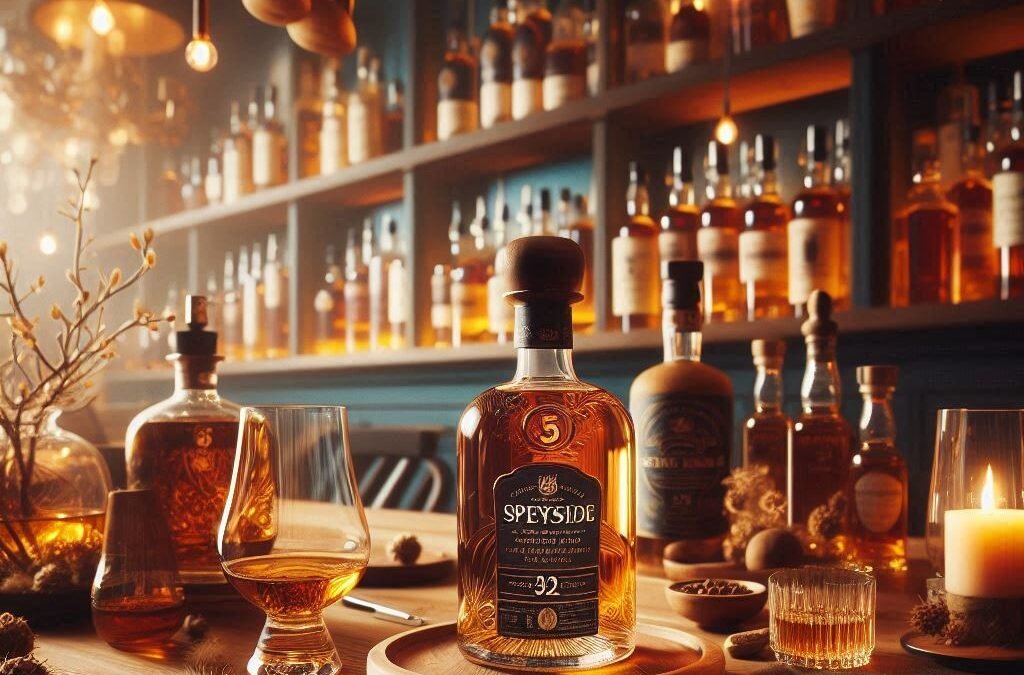
Speyside Whisky is a style of Scotch whisky produced in Scotland’s Speyside region, known for its smooth, approachable, and often fruity flavor profile. It is an excellent choice for first-time whisky drinkers because it typically offers notes of apple, pear, honey, vanilla, and gentle spice rather than heavy smoke or peat.
Key Takeaways
- Speyside is Scotland’s most famous whisky-producing region.
- It is generally smooth, fruity, and easy to enjoy.
- It is ideal for beginners due to its balanced flavor profile.
- Many world-renowned single malt whiskies come from Speyside.
- Proper tasting techniques can enhance your whisky experience.
Introduction
For anyone beginning their whisky journey, choosing the right bottle can feel overwhelming. With countless styles, regions, and tasting notes to explore, it’s easy to wonder where to start. That’s where Speyside Whisky stands out. Widely recognized for its elegant character and approachable flavors, it has become a favorite recommendation for newcomers and experienced enthusiasts alike.
This guide explains what makes it unique, how it differs from other Scotch regions, what flavors you can expect, and how to enjoy it like a beginner with confidence.
Table of Contents
- What Is Speyside Whisky?
- Where Is Speyside?
- What Makes Speyside Whisky Unique?
- Common Flavor Profiles
- How Is Speyside Whisky Made?
- Why Beginners Love Speyside Whisky
- How to Taste Speyside Whisky
- Choosing Your First Bottle
- Food Pairings
- Common Mistakes Beginners Make
- Frequently Asked Questions
- Conclusion
What Is Speyside Whisky?
It is Scotch whisky distilled in Scotland’s Speyside region, an area famous for producing smooth, flavorful single malts with fruity, floral, and sweet characteristics.
Speyside is located around the River Spey in northeastern Scotland. Despite being one of Scotland’s smaller whisky regions geographically, it is home to more than half of the country’s whisky distilleries. The region has earned an international reputation for producing refined whiskies that appeal to a wide range of palates.
Where Is Speyside?
Speyside is located in the Moray area of northeastern Scotland, surrounding the River Spey.
The region’s pure water sources, favorable climate, and long tradition of whisky production contribute significantly to the quality of its spirits. Many of Scotland’s most respected distilleries are found here, making Speyside a popular destination for whisky tourism.
What Makes Speyside Whisky Unique?
It is known for its smooth, sweet, and fruit-forward character with very little peat smoke compared to many other Scotch whiskies.
Several factors contribute to its distinctive style:
- High-quality spring water
- Traditional copper pot stills
- Carefully selected oak casks
- Skilled maturation techniques
- Generations of whisky-making expertise
Unlike heavily peated whiskies, Speyside expressions focus on balance and complexity without overwhelming the palate.
Common Flavor Profiles
Most Speyside Whisky offers a combination of fruit, honey, vanilla, caramel, floral notes, and gentle spice.
Some of the most common tasting notes include:
| Flavor Category | Typical Notes |
| Fruits | Apple, pear, apricot, citrus |
| Sweet | Honey, vanilla, caramel |
| Floral | Heather, blossoms |
| Nutty | Almonds, hazelnuts |
| Oak | Light spice, toasted wood |
| Dried Fruit | Raisins, figs |
Every distillery has its own style, but these flavors are commonly associated with the region.
How Is Speyside Whisky Made?
Speyside Whisky follows the traditional Scotch whisky-making process using malted barley, fermentation, distillation, and years of maturation in oak casks.
The process generally includes:
- Malting the barley
- Mashing and extracting sugars
- Fermentation
- Double distillation in copper stills
- Aging in oak barrels
- Bottling after quality checks
The choice of cask—whether ex-bourbon, sherry, or another type, plays a major role in shaping the whisky’s final flavor.
Why Beginners Love Speyside Whisky
Speyside Whisky is often recommended to beginners because it is approachable, balanced, and rarely dominated by smoky flavors.
Some reasons include:
- Smooth finish
- Pleasant sweetness
- Easy-to-recognize fruit flavors
- Gentle introduction to Scotch whisky
- Wide variety of styles and price points
Many first-time drinkers appreciate that Speyside whiskies allow them to explore different flavors without the intensity found in some other Scotch regions.
How to Taste Speyside Whisky
Take small sips, notice the aroma first, and allow the whisky to rest on your palate before swallowing.
Follow these simple steps:
- Pour a small amount into a whisky glass.
- Observe the color.
- Smell the aroma gently.
- Take a small sip.
- Let it coat your tongue.
- Notice the finish.
- Add a few drops of water if desired.
Avoid rushing the tasting process. Spending a little time with each sip helps reveal layers of flavor.
Choosing Your First Bottle
Look for a Speyside Whisky with a balanced flavor profile, moderate alcohol strength, and positive beginner reviews.
When selecting your first bottle, consider:
- Age statement
- Price
- Cask type
- Alcohol percentage
- Flavor descriptions
- Personal taste preferences
A good beginner bottle doesn’t have to be expensive. Many entry-level Speyside whiskies offer outstanding quality and value. To start your journey, you can explore our Speyside Whisky treasure, which will help you find what would be suitable for you.
Food Pairings
Speyside Whisky pairs well with mild cheeses, roasted nuts, dark chocolate, smoked salmon, grilled chicken, and fruit-based desserts.
Popular pairings include:
- Brie or Gouda cheese
- Salted almonds
- Apple tart
- Vanilla cheesecake
- Dark chocolate
- Honey-glazed ham
The whisky’s naturally sweet and fruity profile complements a wide variety of foods.
Common Mistakes Beginners Make
Many newcomers can improve their experience by avoiding these common mistakes:
- Drinking too quickly
- Adding too much ice
- Ignoring the aroma
- Expecting every whisky to taste the same
- Choosing only based on price
- Comparing every whisky to smoky Scotch
Whisky appreciation develops over time, so exploring different expressions can help you discover your personal preferences.
Frequently Asked Questions
Is Speyside Whisky good for beginners?
Yes. Its smooth, fruity, and balanced character makes it one of the best Scotch whisky styles for first-time drinkers.
Is Speyside Whisky always sweet?
Many Speyside whiskies have naturally sweet notes like honey, vanilla, or caramel, but each distillery produces its own unique flavor profile.
Can I drink Speyside Whisky with ice?
Yes. While many enthusiasts prefer it neat or with a few drops of water, adding a small amount of ice is a matter of personal preference.
What glass should I use?
A tulip-shaped whisky glass helps concentrate aromas, making it easier to appreciate the whisky’s character.
Does older whisky always taste better?
Not necessarily. Age influences flavor, but cask selection, production methods, and personal preference are equally important.
Expert Tips for First-Time Drinkers
- Start with lighter expressions before exploring stronger flavors.
- Keep tasting notes to remember what you enjoy.
- Experiment with a few drops of water.
- Compare different Speyside whiskies side by side.
- Take your time and enjoy the experience rather than rushing through a glass.
Go through our Scotch Whisky Guide for deeper knowledge in case you feel like you are missing something. This guide will take you to the roots and make you understand every little detail you might need.
Conclusion
Speyside Whisky offers an ideal introduction to the world of Scotch. Its smooth texture, fruity aromas, gentle sweetness, and refined complexity make it accessible for first-time drinkers while remaining interesting enough for experienced enthusiasts. Whether you’re learning to identify tasting notes, choosing your first bottle, or pairing whisky with food, Speyside provides countless opportunities to explore and develop your palate. By starting with this beginner-friendly style and tasting thoughtfully, you’ll gain a deeper appreciation for one of Scotland’s most celebrated whisky traditions.








Recent Comments