

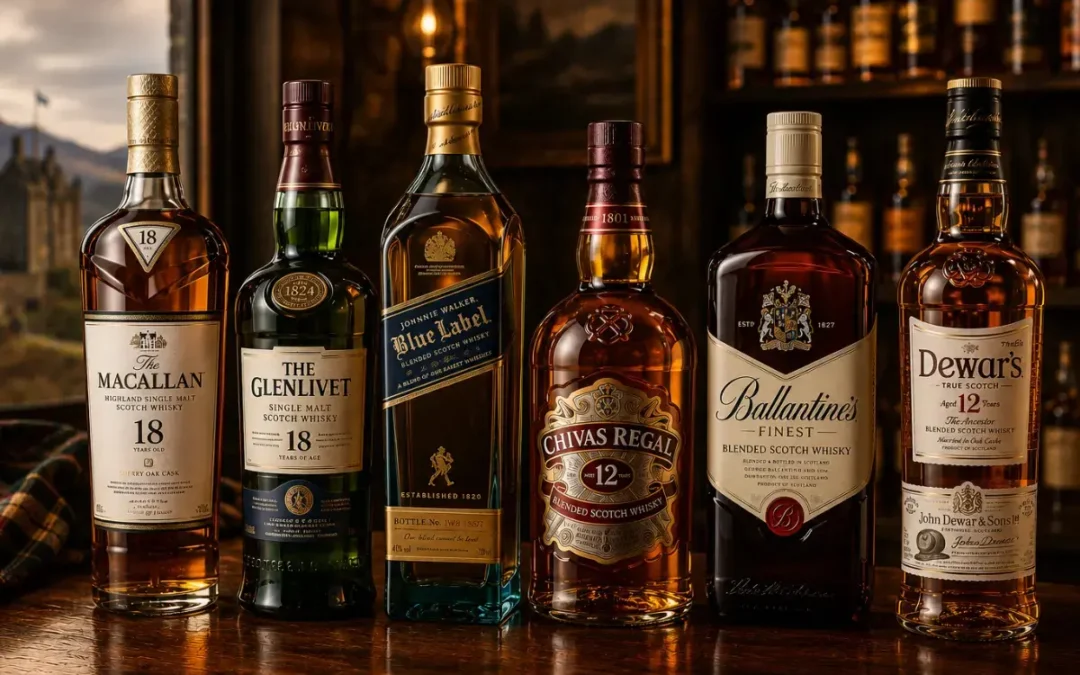
Standing in front of a shelf filled with Scotch whisky can be overwhelming. Age statements, elegant packaging, and premium price tags often grab attention first. But experienced whisky enthusiasts know that one of the best indicators of what a bottle will taste like isn’t its price, it’s the region where it’s made.
This Scotch whisky regions guide explores how Scotland’s whisky-producing regions shape flavour and why understanding regional styles can help you choose a bottle you’ll genuinely enjoy.
Quick Answer
If you’re buying Scotch based on flavour rather than cost, use the region as your starting point.
- Speyside: Sweet and fruity
- Highlands: Rich and diverse
- Islay: Smoky and peaty
- Lowlands: Light and floral
- Campbeltown: Complex and coastal
Knowing these regional characteristics makes choosing Scotch much easier.
Start Here: Does Region Really Matter More Than Price?
Absolutely.
While price can reflect rarity, aging, or limited production, it doesn’t determine whether a whisky matches your taste. Two bottles with similar prices may offer completely different drinking experiences simply because they come from different parts of Scotland.
That’s why many whisky experts recommend exploring regions before comparing age statements or premium labels.
A Quick Look at Scotland’s Whisky Map
Scotland has five traditional whisky regions, each with its own production history and signature style. Over generations, differences in climate, local ingredients, and distilling traditions have created unique flavour profiles that continue to define these regions today.
Understanding this regional diversity is the foundation of every Scotch whisky regions guide.
Speyside: Where Smooth and Fruity Whiskies Shine
Speyside is home to the largest concentration of Scotch distilleries.
Whiskies from this region are often known for:
- Honey
- Apple
- Vanilla
- Pear
- Gentle spice
These approachable flavours make Speyside an excellent choice for beginners or anyone who enjoys sweeter, balanced whiskies.
Highlands: A Region Known for Variety
The Highlands cover the largest whisky-producing area in Scotland.
Because of its size, flavour profiles vary considerably.
You might discover:
- Heather
- Citrus
- Dried fruit
- Oak
- Mild smoke
No two Highland whiskies are exactly alike, making the region ideal for those who enjoy exploring different styles.
Islay: Scotland’s Home of Bold, Peaty Flavours
For drinkers who love smoky whiskies, Islay is often the first destination.
Expect flavours such as:
- Peat smoke
- Sea salt
- Charcoal
- Black pepper
- Medicinal notes
These whiskies have a distinctive personality that stands apart from every other Scottish region.
Lowlands: Light, Elegant, and Easy to Enjoy
Lowland whiskies are typically softer and more delicate.
Common tasting notes include:
- Lemon
- Fresh grass
- Floral aromas
- Soft malt
- Gentle sweetness
They’re often recommended for those looking for a lighter introduction to Scotch.
Campbeltown: Small Region, Big Personality
Although only a few distilleries remain, Campbeltown continues to produce highly respected whiskies.
Its bottles often feature:
- Salted caramel
- Earthy spice
- Coastal character
- Dried fruit
The region offers unique expressions that appeal to adventurous whisky lovers.
Why Two Bottles at the Same Price Can Taste Completely Different
Price reflects several factors beyond flavour.
These may include:
- Limited availability
- Brand reputation
- Packaging
- Age
- Production volume
Regional style, however, directly influences what you’ll experience when you take your first sip.
How Geography Shapes Every Bottle of Scotch
Scotland’s natural environment plays an important role during whisky maturation.
Factors that influence flavour include:
- Local climate
- Sea air
- Temperature changes
- Warehouse conditions
- Barrel aging
Together, these elements help create the distinctive character associated with each region.
Match Your Favourite Flavours to the Right Whisky Region
Choosing Scotch becomes easier when you begin with flavours you already enjoy.
If you like:
- Sweet desserts → Speyside
- Rich spices → Highlands
- Smoky barbecue → Islay
- Fresh citrus → Lowlands
- Complex coastal flavours → Campbeltown
This simple approach removes much of the uncertainty from buying Scotch.
Should Beginners Start with a Specific Region?
Yes.
Most beginners enjoy Speyside or Lowland whiskies because they tend to be smoother and less intense.
Once you’re comfortable with those styles, you can gradually explore richer Highland whiskies before moving into the smoky character of Islay.
Following this progression makes the learning experience much more enjoyable.
The Biggest Mistakes People Make When Buying Scotch
Many buyers focus on factors that matter less than they think.
Common mistakes include:
- Buying solely by price
- Ignoring regional differences
- Assuming older always means better
- Choosing based only on packaging
- Following trends instead of personal taste
Avoiding these habits leads to far more satisfying purchases and you can do that by following a detailed Scotch whisky guide that can walk you through every aspect to avoid such mistakes.
Is an Older Whisky Always a Better Choice?
Not necessarily.
Older whiskies often develop greater complexity, but younger bottles can deliver brighter fruit flavours and remarkable balance.
The region where a whisky is produced frequently has a stronger influence on flavour than its age statement alone.
A Simple Way to Explore Scotland’s Whisky Regions
One of the easiest ways to develop your palate is by sampling one whisky from each region.
Compare them based on:
- Aroma
- Sweetness
- Smoke
- Texture
- Finish
Over time, you’ll naturally identify which regional style suits your preferences best.
This practical approach is one reason every Scotch whisky regions guide encourages exploration rather than simply recommending expensive bottles
Expert Tips for Building Your Whisky Collection
Instead of collecting bottles based on popularity, build your collection around variety.
Include whiskies from different regions to experience the full spectrum of Scottish craftsmanship.
This method creates a collection that’s both educational and enjoyable.
Final Thoughts: Let the Region Guide Your Next Purchase
Choosing Scotch doesn’t have to be intimidating. While premium labels and higher prices often attract attention, they don’t necessarily predict your enjoyment. Understanding Scotland’s whisky regions provides a much better foundation for making informed decisions.
This Scotch whisky regions guide shows that every region offers something unique, whether it’s the fruity elegance of Speyside, the diversity of the Highlands, the bold smokiness of Islay, the delicate style of the Lowlands, or the maritime character of Campbeltown. By letting regional flavour guide your choices, you’ll gain a deeper appreciation for Scotch whisky and discover bottles that truly match your palate. Whether you’re buying your first bottle or expanding an existing collection, this guide is a smart place to begin.



Recent Comments