

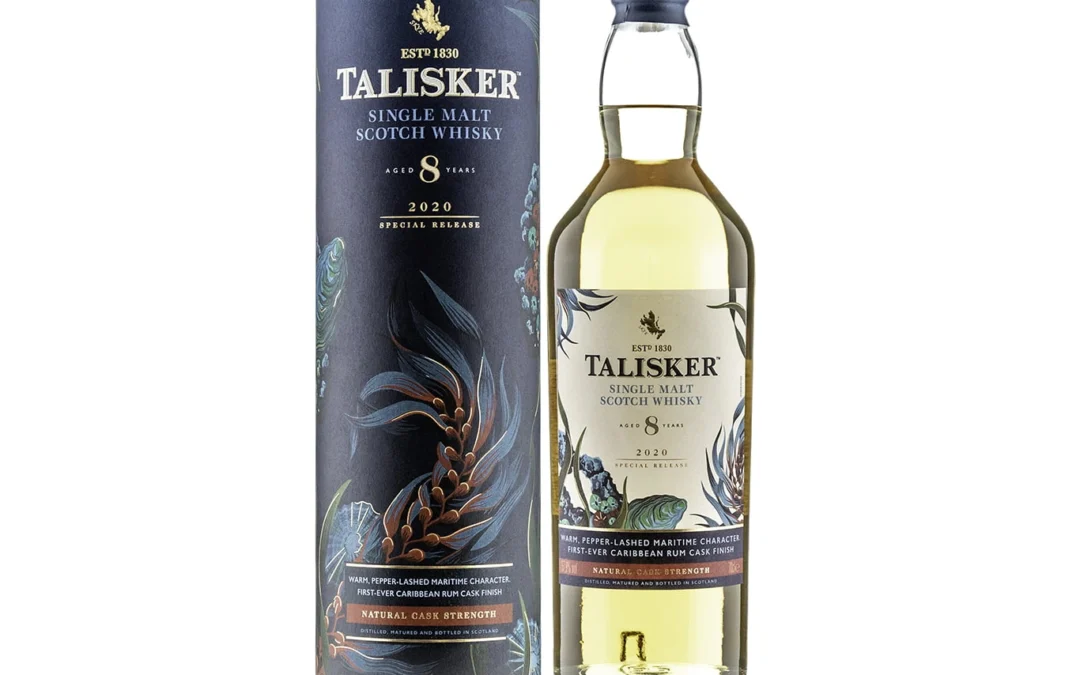
Buying your first bottle of Scotch can feel exciting, but it can also be overwhelming. Walk into any well-stocked liquor store, and you’ll find shelves lined with bottles from different regions, age statements, cask finishes, and flavor profiles. Without a little background knowledge, it’s easy to spend more than you intended or choose a bottle that doesn’t match your taste.
This Scotch Whisky guide is designed to simplify the buying process for beginners. Rather than focusing on complicated terminology, it explains the essential factors that influence flavor, quality, and value. By understanding the basics, you’ll be able to choose your first bottle with confidence and enjoy the experience even more.
What Makes Scotch Whisky Unique?
It is produced exclusively in Scotland under strict legal regulations. It must be distilled and matured according to established standards, giving it a distinctive identity recognized worldwide.
The ingredients are simple, water, malted barley (or other grains for certain styles), and yeast, but the production process creates remarkable complexity. Factors such as the region, water source, cask type, aging period, and distillation methods all contribute to the final character of the whisky.
For first-time buyers, understanding these influences can make selecting a bottle much easier.
Learn the Main Types of Scotch
Before purchasing your first bottle, it’s important to know the different categories available.
Single Malt Scotch
Single malt Scotch is made entirely from malted barley at one distillery. It often showcases the unique character of that distillery and is popular among whisky enthusiasts for its depth and complexity.
Blended Scotch
Blended Scotch combines whiskies from multiple distilleries. These blends are often smoother, more approachable, and generally more affordable, making them an excellent starting point for beginners.
Blended Malt Scotch
This style combines single malts from different distilleries without including grain whisky. It offers additional complexity while maintaining the characteristics of malt whisky.
Single Grain Scotch
Produced using grains other than malted barley, single grain Scotch is less common but offers lighter flavor profiles that some newcomers may appreciate.
Understanding these categories is one of the first lessons in any reliable Scotch Whisky guide.
Explore Scotland’s Whisky Regions
Scotland’s whisky regions each produce spirits with distinctive characteristics. While there are always exceptions, regional styles offer helpful guidance.
Speyside
Known for elegant, fruity, and sweet whiskies with notes of apple, pear, vanilla, and honey. Speyside whiskies are often recommended for beginners.
Highlands
The Highlands produce an incredibly diverse range of whiskies. Depending on the distillery, flavors may include fruit, spice, floral notes, or gentle smoke.
Lowlands
Typically lighter and softer, Lowland whiskies often feature grassy, citrus, and floral characteristics.
Islay
Islay whiskies are famous for their bold smoky and peaty flavors. While beloved by experienced drinkers, they can be intense for first-time buyers.
Campbeltown
Small in production but rich in character, Campbeltown whiskies often display maritime influences, spice, and subtle salinity.
Understanding these regional differences helps narrow your choices significantly.
Don’t Assume Older Means Better
Many first-time buyers believe an older whisky is automatically superior.
While age influences flavor, it isn’t the only measure of quality.
An 8- or 10-year-old whisky from one distillery may be more enjoyable than an 18-year-old expression from another, depending on your preferences.
Older whiskies also tend to cost considerably more. Beginners often gain better value by exploring well-crafted younger expressions before investing in premium aged bottles.
Understand the Role of Casks
Much of a whisky’s flavor develops during maturation inside wooden casks.
Common cask types include:
Ex-Bourbon Casks
These often produce flavors of vanilla, caramel, coconut, and light spice.
Sherry Casks
These contribute dried fruits, raisins, nuts, chocolate, and rich sweetness.
Wine Casks
Wine-finished whiskies can introduce berry flavors, subtle tannins, and additional complexity.
Knowing the cask type gives valuable clues about the whisky’s flavor profile before you even open the bottle.
Decide Whether You Like Peat
One of the biggest decisions for beginners involves peat.
Peated whiskies have smoky aromas created by drying malted barley over burning peat.
Some people instantly fall in love with smoky Scotch, while others prefer lighter styles.
If you’re uncertain, begin with an unpeated or lightly peated whisky before exploring more intensely smoky expressions.
This gradual approach allows your palate to develop naturally.
Set a Realistic Budget
Excellent Scotch exists at nearly every price point.
Many outstanding beginner-friendly bottles can be found within a moderate budget.
Rather than purchasing the most expensive bottle available, focus on finding one that matches your taste preferences.
As your appreciation grows, you’ll naturally discover premium expressions worth exploring later.
A practical Scotch Whisky guide always emphasizes value over price alone.
Buy from Reputable Retailers
Purchasing from trusted whisky retailers helps ensure authenticity and proper storage conditions.
Reliable retailers also offer knowledgeable staff who can recommend bottles based on your preferences and budget.
Specialty whisky shops are particularly valuable because staff members often have firsthand experience with many products they sell.
Learn How to Read the Label
Scotch labels contain useful information that can guide your purchase.
Look for:
- Age statement
- Alcohol by volume (ABV)
- Distillery name
- Region
- Single malt or blended designation
- Cask information
- Non-chill filtered or natural color statements (when applicable)
Understanding these details becomes easier with experience and greatly improves buying confidence.
Consider How You’ll Drink It
Your intended drinking style may influence your purchase.
If you enjoy sipping slowly, you may prefer a more complex single malt.
If you plan to serve whisky at gatherings or in classic cocktails, a quality blended Scotch may provide better value.
There’s no right or wrong choice, only the bottle that best suits your needs.
Proper Storage Matters
Once you’ve purchased your bottle, store it correctly to preserve its quality.
Keep whisky:
- Upright rather than on its side.
- Away from direct sunlight.
- In a cool, stable environment.
- With the cap tightly sealed.
Unlike wine, Scotch Whisky does not continue aging once bottled, but proper storage helps maintain its original flavor for years.
Enjoy Responsibly
The purpose of buying Scotch isn’t simply collecting bottles—it’s appreciating craftsmanship, tradition, and flavor.
Take your time with each pour.
Observe the color, explore the aroma, taste slowly, and notice how the flavors evolve.
Adding a few drops of water can sometimes reveal additional aromas and soften higher alcohol content, allowing subtle characteristics to emerge.
Sharing your whisky with friends or fellow enthusiasts can also make the experience more enjoyable while introducing you to new perspectives on flavor.
Common Mistakes First-Time Buyers Should Avoid
Many beginners make similar purchasing mistakes, including:
- Buying solely based on an impressive-looking bottle.
- Assuming higher prices guarantee better quality.
- Ignoring flavor preferences.
- Starting with heavily peated whiskies without knowing if they enjoy smoke.
- Focusing only on age statements.
- Purchasing large quantities before discovering personal tastes.
Avoiding these mistakes will save both money and disappointment.
Conclusion
Buying your first bottle of Scotch doesn’t need to be intimidating. With a little knowledge about whisky styles, Scotland’s regions, cask maturation, peat levels, and age statements, you’ll be better equipped to choose a bottle that suits your preferences.
This Scotch Whisky guide has covered the essential factors every beginner should understand before making a purchase. Remember that the “perfect” first bottle isn’t necessarily the most expensive or the oldest, it’s the one that introduces you to the diverse and rewarding world of Scotch Whisky in a way that matches your taste.
Ready to find your first bottle? Explore our curated Scotch Whisky collection to discover premium single malts and blended Scotch whiskies for every taste and budget.



Recent Comments