The House of Whisky - Logo

Specialists in collectable and rare whiskies.

Award Winning Whisky

Worldwide Delivery

Order by 3 pm for next working day delivery  –  Worldwide Shipping Available  –  Free UK Mainland Standard Delivery for orders over £100.

We currently do not ship to the U.S

How Long Does Alcohol Stay in Your System? Medical Facts and Common Myths

How Long Does Alcohol Stay in Your System? Medical Facts and Common Myths


Many people wonder how long the body takes to process alcohol after a drink or two. The answer is not the same for everyone, because alcohol is handled by a complex set of biological processes influenced by metabolism, body composition, and overall lifestyle. Understanding these processes can offer useful insights into how the body works and why individual experiences may differ.

This article explores the science behind alcohol metabolism and clears up some of the most common myths, using medically grounded information rather than assumptions.


How Alcohol Moves Through the Body


After alcohol is consumed, it travels through the digestive system and is absorbed into the bloodstream, primarily through the small intestine. In fact, “about 20 percent of alcohol is absorbed through the stomach, while roughly 80 percent is absorbed in the small intestine.” This is why the effects of alcohol can be felt relatively quickly.

From there, it circulates throughout the body and is eventually processed by the liver.

The liver contains enzymes that break alcohol down into compounds the body can further metabolize and eliminate. This process happens gradually and at a relatively steady pace.

For many adults, the liver can process approximately one standard drink per hour. As medical references often note, “the average person metabolizes alcohol at a rate of about 0.015 blood alcohol concentration (BAC) per hour.”

A standard drink is generally defined as:

This estimate is only a general guideline. Actual processing times vary based on several individual factors.


Factors That Affect How Long Alcohol Stays in Your System


The body’s ability to metabolize alcohol depends on more than just how much is consumed. A number of natural factors influence the timeline.

Body Weight and Composition

People with different body sizes and body water content may process alcohol differently. “Alcohol is water-soluble,” so body composition plays a meaningful role in how it is distributed throughout the body.

Food Intake

Consuming alcohol with food usually slows absorption, which can affect how quickly alcohol reaches peak levels in the bloodstream.

Age

Metabolic efficiency can change over time, influencing how the body handles alcohol.

Sex

Differences in body composition and enzyme activity may affect the rate of alcohol metabolism.

Genetics

Certain genetic variations influence how efficiently the liver breaks alcohol down.

Overall Metabolism

General metabolic rate and liver enzyme activity vary from person to person.


What “Stays in Your System” Really Means


When people ask how long alcohol stays in the body, they are usually referring to how long it takes for the body to fully process it.

Alcohol does not remain unchanged indefinitely. Instead, it is continuously broken down by the liver until only trace amounts remain and the process is complete.

The timeline depends on:

  • The amount consumed
  • How quickly it was consumed
  • Whether food was eaten
  • Individual metabolic characteristics

For a modest amount of alcohol, the body may complete processing within several hours. Larger amounts naturally require more time.


Common Myths About Alcohol Metabolism


Many popular beliefs suggest that certain actions can dramatically speed up the body’s processing of alcohol. Medical science shows that most of these ideas are misconceptions.

Myth: Coffee Makes Alcohol Leave the Body Faster

Coffee may increase alertness, but it does not accelerate liver metabolism. As physicians often explain, “caffeine can make a person feel more awake, but it does not lower blood alcohol levels.”

Myth: Drinking Water Flushes Alcohol Out Quickly

Hydration supports overall wellness, but it does not significantly increase the rate at which alcohol is processed.

Myth: Exercise Eliminates Alcohol More Rapidly

Physical activity has many benefits, but it does not meaningfully change alcohol metabolism. “Only about 2 to 5 percent of alcohol leaves the body through sweat, breath, and urine.”

Myth: A Cold Shower Speeds Recovery

A cold shower may feel refreshing, but it does not affect how quickly the body breaks down alcohol.

Myth: Everyone Processes Alcohol the Same Way

Each person’s metabolism is unique, so timelines can differ even when the same amount is consumed.


The Role of the Liver


The liver is central to alcohol metabolism. It converts alcohol into acetaldehyde and then into acetate, which the body can use for energy or further process naturally.

“More than 90 percent of consumed alcohol is metabolized by the liver.” Because the liver works at a relatively consistent pace, there is no reliable shortcut that dramatically speeds this process. Time remains the primary factor.

This is one reason medical professionals emphasize that individual biology plays a much larger role than quick fixes or popular remedies.


Why Individual Experiences Differ


Two people may consume the same amount of alcohol and notice different experiences. One may feel effects more quickly, while the other may process alcohol more gradually.

These differences can be explained by:

  • Variations in liver enzyme activity
  • Differences in body water percentage
  • Food consumption
  • Natural metabolic rates

This variability is normal and reflects the uniqueness of each individual’s physiology.


A Balanced Perspective


Alcohol has been part of social and cultural traditions for centuries. Understanding how the body processes it can help people appreciate the biological systems involved.

The key takeaway is that alcohol metabolism is steady, predictable in general terms, and highly individualized in practice. The body is remarkably efficient at processing alcohol, but it does so according to its own natural pace.

As a useful benchmark, “most healthy adults process one standard drink in about one hour, but exact timing varies significantly from person to person.”


Conclusion


How long alcohol stays in your system depends on the amount consumed and a range of personal factors such as metabolism, body composition, age, and food intake. For many people, the liver processes about one standard drink per hour, though actual timelines vary.

The most important medical fact is that the body relies on time and normal liver function to metabolize alcohol. Popular myths involving coffee, water, exercise, or cold showers do not significantly speed up the process.

By understanding the science and setting aside common misconceptions, it becomes easier to appreciate how the body naturally and efficiently handles alcohol.

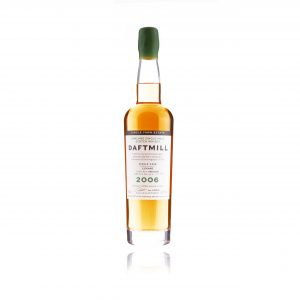
What Makes Filey Bay Unique From Traditional Whisky Culture

What Makes Filey Bay Unique From Traditional Whisky Culture

Whisky has long been associated with heritage, ritual, and deeply rooted traditions. From the smoky malts of Scotland to the refined blends of Ireland, the so-called House of Whisky has shaped how enthusiasts perceive and enjoy this timeless spirit. Yet, in recent years, a new name has been quietly redefining expectations, Filey Bay Whisky.

Unlike many legacy distilleries that rely heavily on established methods, it brings a modern, transparent, and locally driven approach to whisky-making. It doesn’t try to replace tradition; instead, it adds a refreshing dimension to it. So, what exactly makes it stand out? Let’s explore.

1. Where It Is Famous or Loved the Most

Filey Bay has gained remarkable popularity in England, particularly among those who appreciate craft spirits and locally produced goods. Yorkshire, its home region, has become a hub for whisky lovers eager to support homegrown brands. Beyond the UK, Filey Bay is steadily building a following in Europe and even among curious whisky drinkers in Asia and North America.

Young Whisky Enthusiast – What’s interesting is how it resonates strongly with younger whisky enthusiasts. In urban cities like London, Manchester, and Berlin, people are increasingly drawn to brands that feel authentic and transparent. Filey Bay fits naturally into this trend.

People Looking For A Change – Online communities and whisky forums often highlight how drinkers enjoy discovering something “different” from the traditional house of whisky. It’s not uncommon to see first-time buyers describing it as a refreshing alternative to more familiar Scotch or Irish labels.

2. The Reason for Its Growing Popularity

Field-to-Bottle – One of the biggest reasons behind the rise of Filey Bay Whisky is its “field-to-bottle” philosophy. Everything, from growing the barley to distillation and bottling, happens under one roof. This level of control creates a sense of trust and authenticity that modern consumers value deeply.

Innovation – Another key factor is innovation. While the house of whisky often emphasizes consistency and tradition, Filey Bay embraces experimentation. Different cask finishes and evolving flavor profiles make each release feel unique and exciting.

Pocket Friendly – Affordability also plays a significant role. Many whisky lovers appreciate that they can experience premium quality without paying excessively high prices. This accessibility makes it easier for newcomers to explore whisky without feeling overwhelmed.

Transparency – Then there’s transparency. Filey Bay openly shares details about its production process, which helps build a stronger connection with its audience. People don’t just drink it, they understand it.


3. Factors Responsible for the Variation in Demand

The demand for this whisky, like any spirit, is influenced by several interesting factors:

Places:
Geography plays a huge role. In regions where traditional Scotch dominates, people may initially hesitate to try something new. However, in urban and experimental markets, Filey Bay often sees higher demand. Cities with vibrant food and drink cultures tend to embrace it faster.

Weather:
Seasonality impacts whisky preferences more than people realize. During colder months, drinkers often lean toward heavier, smoky whiskies associated with the house of whisky. In contrast, Filey Bay’s lighter and more vibrant profile makes it especially appealing during spring and summer.

Occasions:
Different occasions call for different spirits. Filey Bay is frequently chosen for casual gatherings, celebrations, or as a conversation starter. Its approachable nature makes it less intimidating compared to traditional, high-end whiskies reserved for formal settings.

Personal Taste:
Ultimately, taste is subjective. Some people prefer the bold peatiness of classic Scotch, while others enjoy the smoother, fresher notes found in Filey Bay Whisky. This diversity in preference naturally affects demand.

Cultural Trends:
Modern consumers are leaning toward sustainability and authenticity. Filey Bay’s eco-conscious approach and local sourcing align perfectly with these values, increasing its appeal.

Availability and Awareness:
As distribution expands and more people learn about the brand, demand continues to grow. Word-of-mouth and social media have played a big role in this.

Real Experiences and Reviews

What truly sets it apart is how people talk about it. Many first-time drinkers describe it as “unexpectedly smooth” and “pleasantly different.” One reviewer mentioned how they were initially skeptical about English whisky but ended up impressed by its balance and freshness.

Another common theme in reviews is its approachability. Unlike some traditional whiskies that require an “acquired taste,” Filey Bay is often described as welcoming, even for beginners.

Experienced whisky enthusiasts, on the other hand, appreciate its complexity. They note subtle layers of flavor that evolve with each sip, something that reflects careful craftsmanship rather than mass production.

There are also frequent mentions of its value for money. Many users highlight that it delivers a premium experience without the premium price tag, which is a rare combination in today’s whisky market.

A Beautiful Balance of Tradition and Innovation

In many ways, Filey Bay Whisky represents a bridge between the old and the new. It respects the foundations laid by the house of whisky but isn’t afraid to question and reinterpret them.

This balance is what makes it truly unique. It doesn’t rely on centuries of history to prove its worth. Instead, it builds credibility through quality, transparency, and a genuine connection with its audience.

Final Thoughts

Filey Bay’s uniqueness lies in its ability to evolve whisky culture without discarding its roots. From its strong local identity to its innovative production methods, it offers something that feels both familiar and refreshingly new.

Whether it’s the place where it’s enjoyed, the weather that influences preferences, or the personal tastes of the drinker, filey bay whisky adapts beautifully to different contexts. Add to that real-world appreciation from both beginners and experts, and it becomes clear why it’s gaining momentum.

Whisky or Whiskey? Does It Actually Make a Difference?

Whisky or Whiskey? Does It Actually Make a Difference?


If you’ve ever stood in front of a well-stocked bar or browsed a liquor store, you’ve likely noticed a small but curious detail, some bottles are labeled “whisky,” while others read “whiskey.” At first glance, it might seem like a simple spelling variation. But in the world of spirits, this single letter carries history, geography, and identity.

So, does it actually make a difference? The answer lies in understanding where these spirits come from and how they are crafted.


A Tale of Two Spellings

The difference between “whisky” and “whiskey” is largely geographical. Scotland, Canada, and Japan use “whisky,” while Ireland and the United States prefer “whiskey.”

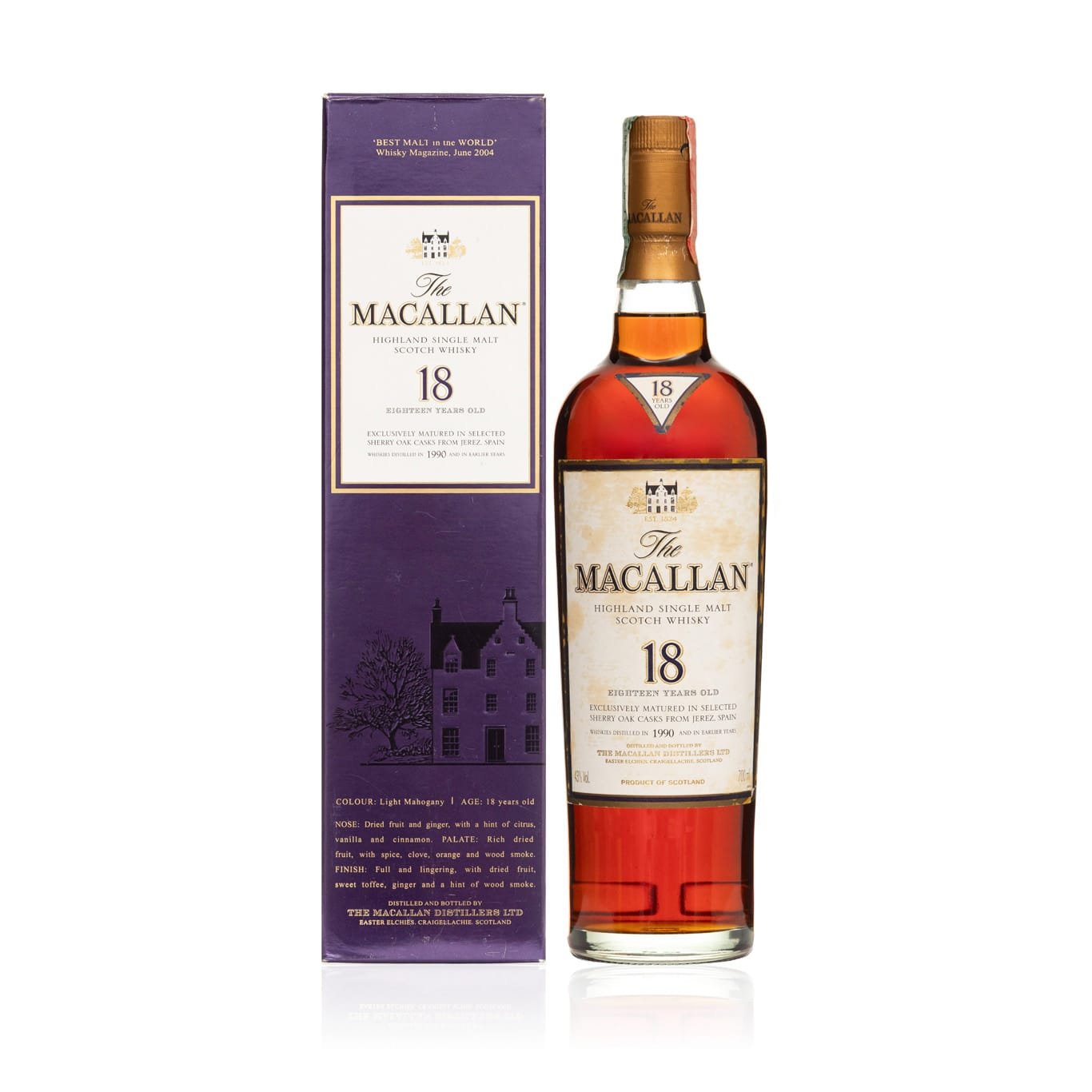
This distinction reflects tradition and heritage. Scottish distilleries, including globally recognized names like Macallan and Benromach, have long upheld the “whisky” spelling as part of their identity. Meanwhile, Irish and American producers retained “whiskey” to distinguish their products historically.


Scotland’s Influence on “Whisky”

Scotland’s whisky-making legacy is deeply rooted in its regions, each offering distinct flavor profiles. Among the most celebrated is Speyside Scotch, known for its smooth, elegant, and often fruity character. Many iconic distilleries, including Macallan and Benromach, originate here, shaping the global perception of Scotch whisky.

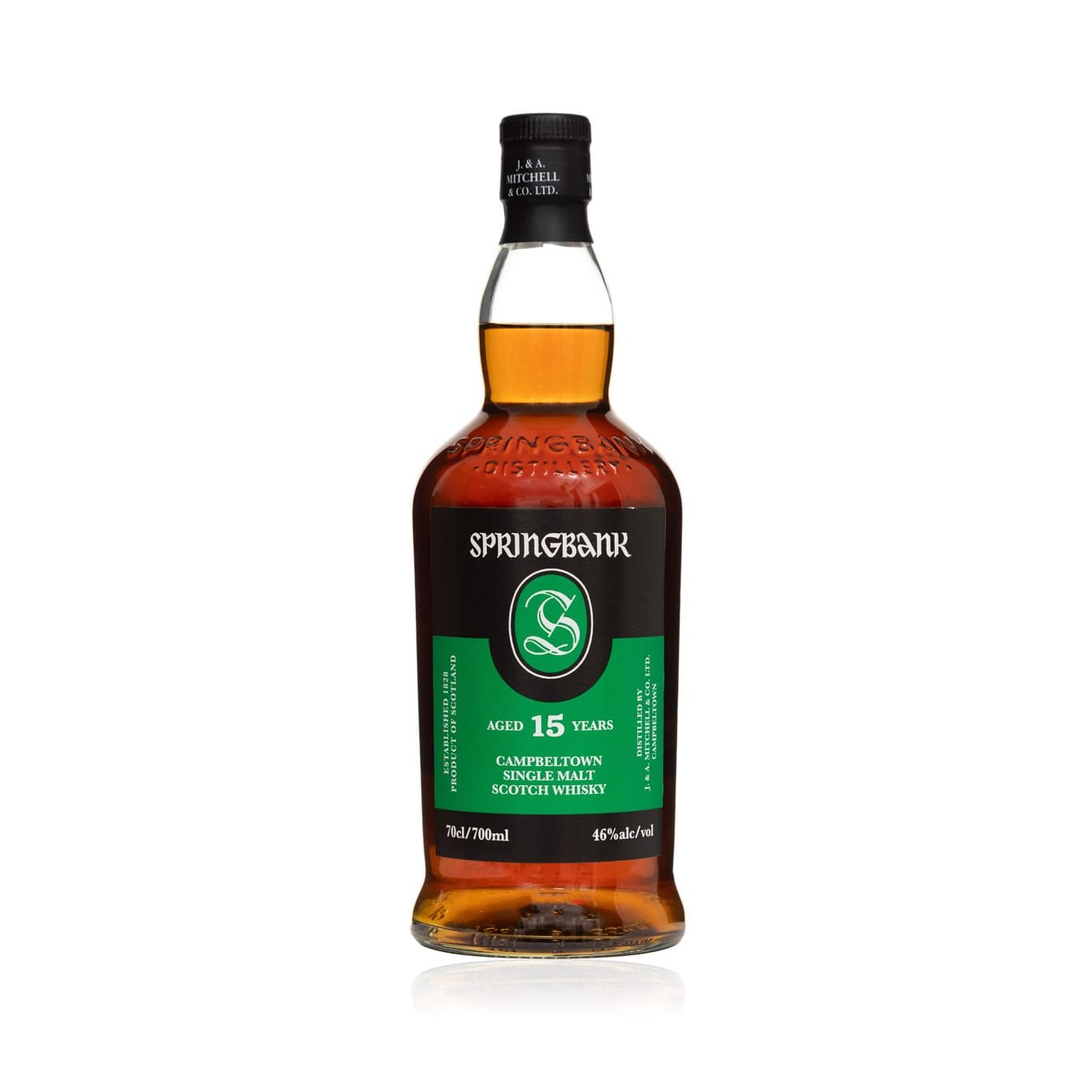
In contrast, regions like Campbeltown offer a more robust and maritime-influenced profile, while Islay whisky is famous for its bold, smoky, and peaty flavors. These regional differences highlight that while the spelling “whisky” remains consistent, the taste experience can vary dramatically.


The Irish and American “Whiskey”

The “whiskey” spelling is closely tied to Irish heritage. Irish distillers introduced the extra “e” as a way to differentiate their smoother, triple-distilled spirit from Scotch.

When Irish immigrants brought their craft to the United States, the spelling followed. Today, American whiskey—especially bourbon and rye—has its own identity, shaped by ingredients and aging processes rather than spelling alone.


Does Spelling Affect Taste?

Technically, no—the spelling itself doesn’t change the flavor. However, it acts as a signal for production style and origin.

For example:

  • Scotch whisky (without the “e”) often emphasizes complexity, with influences from oak aging and regional characteristics.
  • Irish whiskey (with the “e”) is typically lighter and smoother.
  • American whiskey often leans toward sweeter, fuller-bodied profiles due to its grain composition.

So while the spelling doesn’t directly impact taste, it guides you toward a certain style and expectation.


Craftsmanship and Regional Identity

What truly defines whisky or whiskey is craftsmanship. From the grains used to the distillation process and aging conditions, every step contributes to the final product.

In regions like Speyside, distilleries focus on balance and refinement. In Islay, the emphasis is on boldness and peat smoke. Campbeltown, once a thriving whisky hub, now offers unique, character-driven expressions that appeal to enthusiasts seeking something different.

Brands like Macallan have built a reputation on precision and quality, while Benromach is celebrated for maintaining traditional methods in a modern world. These producers demonstrate that identity in whisky goes far beyond spelling—it’s about heritage, process, and consistency.


A Global Perspective

Today, whisky and whiskey are enjoyed across the globe, with new regions contributing their own interpretations. Despite this expansion, traditional distinctions remain important for enthusiasts and newcomers alike.

The spelling continues to serve as a subtle guide, helping consumers navigate a diverse and ever-growing market. Whether you’re drawn to the elegance of Speyside Scotch or the intensity of Islay whisky, there’s a world of flavors waiting to be explored.


So, Does It Really Matter?

In practical terms, the difference between whisky and whiskey matters less than what’s in the glass. The spelling tells you where it comes from, but your personal preference determines what you enjoy.

Exploring different regions, styles, and brands is the best way to understand the nuances. Each bottle offers a unique experience shaped by tradition, environment, and craftsmanship.


Discover the Difference Yourself

The debate between “whisky” and “whiskey” is ultimately a celebration of diversity within the world of spirits. It’s a reminder that even the smallest details can carry centuries of history and culture.

If you’re looking to experience this diversity firsthand, The House of Whisky offers a curated selection that brings together some of the finest expressions from around the world. From the refined notes of Speyside Scotch to the bold character of Islay whisky, it’s a place where tradition meets discovery, helping you find the perfect bottle, no matter how it’s spelled.

In the end, whether it’s spelled whisky or whiskey often depends on tradition, region, and production style — but both offer unique drinking experiences loved by enthusiasts worldwide. Whether you prefer whisky or whiskey, exploring a premium whiskey collection can help you discover the flavors, styles, and character that truly match your taste.

What You Should Expect When You Are Tasting Yamazaki 18 for the First Time

What You Should Expect When You Are Tasting Yamazaki 18 for the First Time

For whisky enthusiasts, few experiences feel as exciting as tasting a legendary bottle for the very first time. Among premium Japanese whiskies, Yamazaki 18 has earned a reputation for elegance, complexity, and rarity. Many collectors and connoisseurs describe their first sip as memorable, not just because of the flavor, but because of the craftsmanship behind it. If you are preparing to taste Yamazaki 18 for the first time, knowing what to expect can make the experience even more rewarding.

The First Impression: Aroma Before Taste

Before you even take a sip, the aroma immediately tells you that this is not an ordinary whisky. The first step in tasting any high-quality whisky is to gently swirl it in the glass and take in the scent.

Yamazaki 18 typically opens with rich, layered aromas. You may notice notes of dark fruit such as raisins, dried cherries, or plums. These are often followed by hints of oak, warm spices, and subtle sweetness. Some people also detect chocolate, coffee, or even a slight smoky character.

This complex aroma profile prepares your senses for the depth of flavor that follows. For first-time tasters, the fragrance alone can be surprisingly rich and inviting.

A Smooth and Refined First Sip

When you finally take your first sip, the texture is usually the first thing people notice. It is widely known for its smooth and silky mouthfeel. Unlike some whiskies that hit the palate with strong alcohol heat, this one tends to feel balanced and refined.

The flavor unfolds gradually rather than all at once. Many first-time drinkers notice a blend of sweet and savory notes. Dark chocolate, dried fruit, honey, and caramel are common tasting impressions. At the same time, the influence of oak barrels adds depth with hints of spice and wood.

This balance is what makes it stand out. Instead of one dominant flavor, it offers multiple layers that evolve as you continue tasting.

The Influence of Long Aging

One reason it tastes so distinctive is its extended aging process. Spending 18 years in carefully selected barrels allows the whisky to absorb flavors from the wood while developing a deeper character.

For first-time tasters, this long maturation is noticeable in the richness of the whisky. The flavors feel rounded and mature rather than sharp or overpowering. Oak notes often appear alongside gentle spices like cinnamon or clove, adding warmth without overwhelming the palate.

The aging also contributes to the whisky’s deep amber color, which many people admire even before the tasting begins.


Layers That Reveal Themselves Slowly

Another thing you may notice during your first tasting is how the flavor evolves with time. The first sip might reveal sweetness and fruit, while later sips may highlight darker, richer notes.

As the whisky sits in the glass and interacts with air, new aromas and flavors can emerge. Some drinkers begin to notice subtle hints of roasted nuts, cocoa, or dried figs. This slow transformation is part of what makes tasting this masterpiece such a fascinating experience.

Taking small sips and allowing the whisky to linger on your palate helps you appreciate these changing layers.

The Long and Elegant Finish

The finish is one of the most memorable aspects of Yamazaki 18. After swallowing, the flavors tend to linger for a long time. This lingering sensation is often described as warm, smooth, and slightly sweet.

Many people notice that the fruit and chocolate notes remain on the palate, gradually fading into soft oak and gentle spice. A high-quality whisky often leaves this kind of lasting impression, and it is widely appreciated for its refined finish.

For first-time tasters, this extended aftertaste can be one of the most surprising elements of the experience.

The Importance of the Right Tasting Environment

To truly appreciate it, the environment in which you taste it matters. A quiet, relaxed setting allows you to focus on the flavors and aromas without distractions.

Using a proper whisky glass, such as a tulip-shaped glass, can also enhance the experience by concentrating the aromas. Some people prefer to taste it neat, while others add a few drops of water to open up the flavors.

There is no single “correct” way to enjoy it. The key is to take your time and allow your senses to explore the whisky gradually.

A Memorable Experience for Whisky Lovers

For many enthusiasts, tasting it for the first time feels like a milestone. The combination of rich aromas, layered flavors, and smooth texture makes it stand out among premium whiskies.

Because of its craftsmanship and long aging process, each sip reflects years of patience and careful production. This attention to detail is one of the reasons the whisky has gained such a strong reputation among collectors and connoisseurs.

Final Thoughts

Your first tasting of Yamazaki 18 is more than just sampling a drink, it is an opportunity to experience one of the most respected expressions of Japanese whisky craftsmanship. From the deep aromas and complex flavors to the long, elegant finish, every stage of the tasting reveals something new.

By slowing down, paying attention to the aromas, and savoring each sip, you can fully appreciate what makes this whisky so special. For many people, that first taste becomes a lasting memory and the beginning of a deeper appreciation for the art of fine whisky.

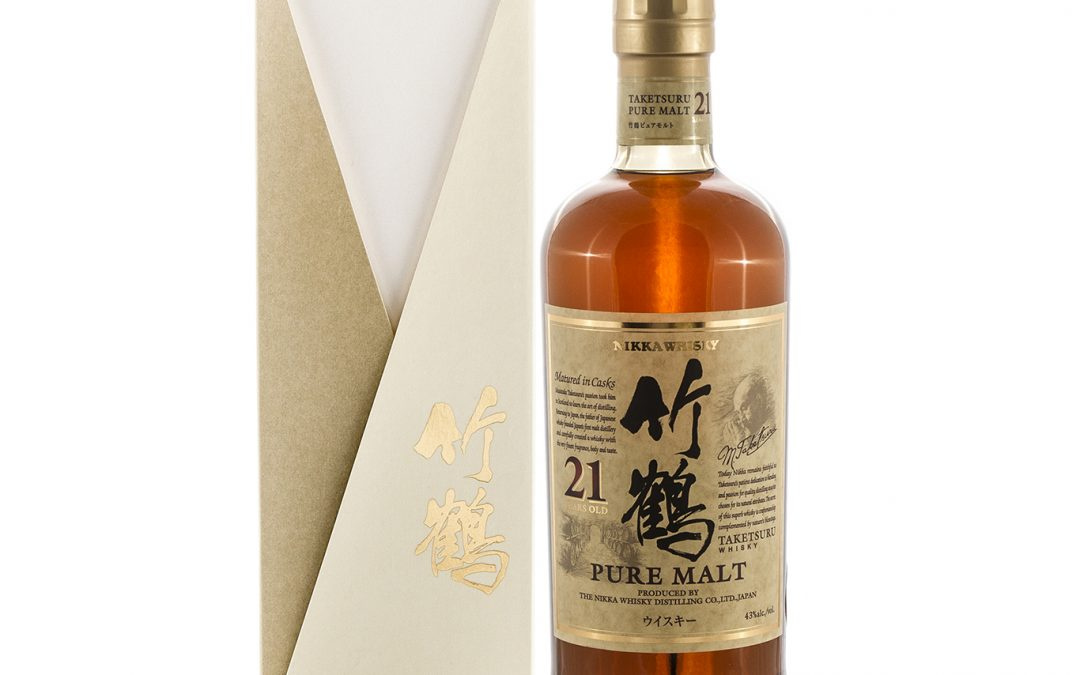
Taketsuru 21: The Masterpiece That Shouldn’t Have Worked But Absolutely Did

Taketsuru 21: The Masterpiece That Shouldn’t Have Worked But Absolutely Did

Some whiskies become famous because they are old.
Others because they are rare.
But Taketsuru 21 became legendary for a far more fascinating reason:
It defied logic.
Two distilleries. Two personalities. Two malt profiles that should have collided violently. Instead, they blended into harmony so seamless that the whisky world had no choice but to crown it one of the greatest creations of modern whisky.
This is a story about contrast turned into perfection, the reason Taketsuru 21 remains untouchable.

A Blend That Changed the Rules

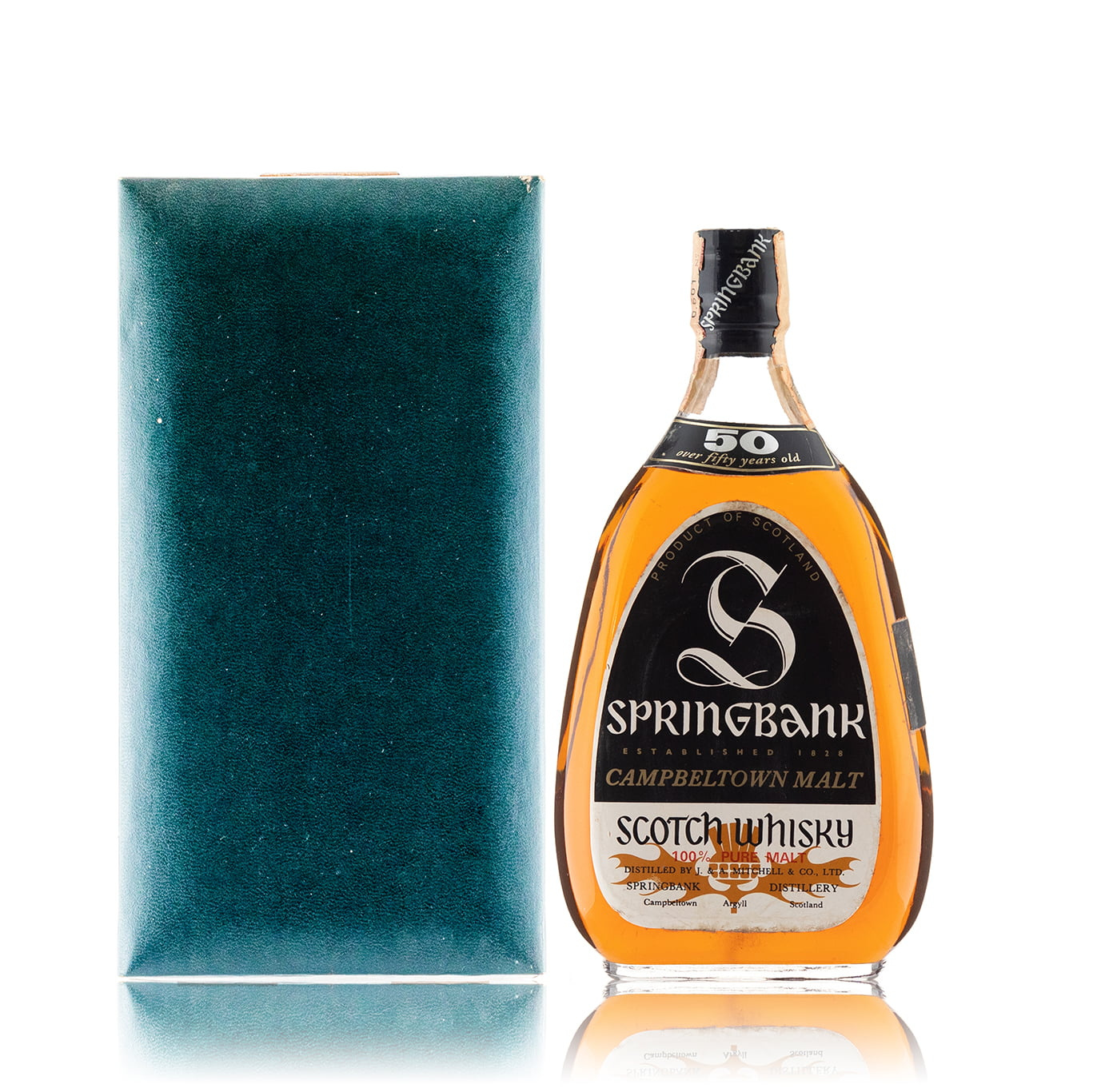
Taketsuru 21 is built from two completely different worlds inside Nikka. From the rugged coast comes Yoichi, bold and smoky, shaped by traditional coal-fired distillation, a method nearly extinct even in Scotland. From a lush valley comes Miyagikyo, elegant and floral, distilled using modern steam heat and pure mountain water.

Yoichi brings muscle.
Miyagikyo brings grace.

Separately, each is a champion. Together, once matured for 21 years, they become something new entirely: a whisky that is both delicate and powerful at once.

It shouldn’t make sense. Yet it does, brilliantly.

A Tasting Experience Full of Surprises

What sets it apart isn’t just its age, it’s the unexpected journey it takes you on. Instead of sinking under the weight of oak, it evolves through layers of depth and brightness that shouldn’t coexist, yet somehow do.

There’s savory umami reminiscent of soy sauce, a gift from decades in sherry casks. There’s a gentle hint of sandalwood and incense, believed to come from the presence of rare Mizunara oak in certain batches. Just when you expect only dark, aged intensity, notes of green apple, apricot, and mandarin orange emerge, carrying youthful energy through the maturity. And the finish? A cooling, herbal character like mint chocolate or anise glides into the background, creating a memorable contrast to the richer elements.

Rather than overwhelming the palate, Taketsuru 21 feels like a conversation between flavor profiles that should argue, but instead support each other beautifully. 

A Champion That Dominated the Whisky World

Awards don’t define greatness, but they certainly amplify it. This whisky didn’t simply impress judges once, it made winning a habit. At the World Whiskies Awards, it was crowned World’s Best Blended Malt Whisky multiple times, including an extraordinary streak through 2007, 2009, 2010, and 2011. It wasn’t a fluke. It was a standard.

During those years, whisky experts stopped asking if a Japanese whisky could compete, and started asking if anyone could compete with Japan.

This masterpiece didn’t follow the world. It made the world follow it.

A Bottle Becoming More Myth Than Reality

Collectors treasure it not because it is old, but because it represents a moment in time that cannot be recreated. The supply of 20+ year malt from Yoichi and Miyagikyo has thinned dramatically. Coal-fired distillation is more expensive and increasingly rare. Mizunara oak barrels are among the scarcest resources in whisky production. Demand for Japanese whisky surged faster than producers could have predicted decades ago.

This means that Taketsuru 21, once found on shelves, is now locked behind glass, a whisky that moved from favorite pour to display-only masterpiece.

Each remaining bottle feels like an endangered species.

More Than a Drink A Philosophy

It is named in honor of Masataka Taketsuru, the father of Japanese whisky, a man who dedicated his life to the idea that tradition and innovation could coexist. This bottle embodies that belief better than anything else Nikka has ever released.

It proves that:

  • true craftsmanship values balance over showmanship 
  • genius often lives at the intersection of opposites 
  • complexity can remain inviting, not intimidating 

It is a whisky that rewards patience, celebrates restraint, and honors the beauty of blending — not as compromise, but as elevated art.
If You Ever Taste It…

Don’t rush. Don’t distract yourself.

Let the aroma settle, let the first sip open slowly, and let the finish tell its story in its own time. This is not a whisky for background moments. It deserves presence and attention.

It waited 21 years for you. Give it the respect it earned.

Final Thought

Taketsuru 21 is built on contradictions, smoky yet bright, mature yet lively, intricate yet graceful. It embodies the idea that harmony is stronger than dominance, and that blending when done with mastery doesn’t dilute identity, it refines it.

Some whiskies are memorable. Very few are transformative.

It stands among the latter, a whisky that shouldn’t have worked, but ended up redefining what greatness looks like.

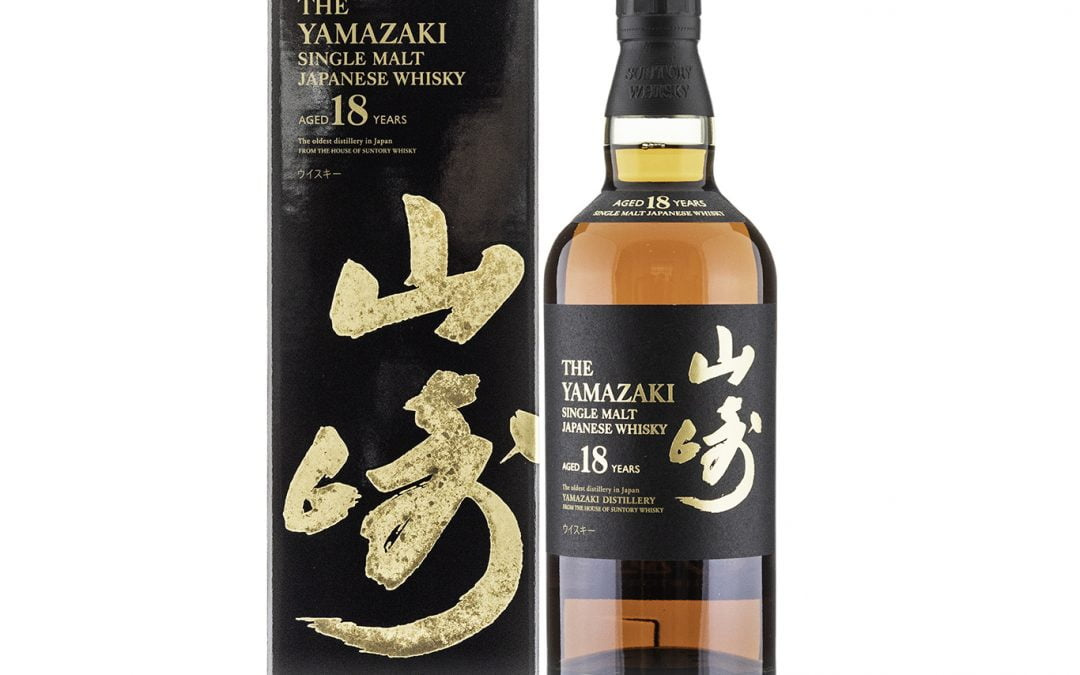
Why Yamazaki 18 is Called A Masterpiece of Japanese Whisky Excellence

Why Yamazaki 18 is Called A Masterpiece of Japanese Whisky Excellence

When it comes to premium Japanese whisky, few names carry as much reverence and prestige as Yamazaki 18. Widely regarded as a symbol of craftsmanship, tradition, and perfection, this 18-year-old single malt whisky continues to impress connoisseurs and collectors around the world. With its rich flavor profile, complex aroma, and limited availability, Yamazaki 18 isn’t just a drink, it’s an experience.

A Legacy Rooted in Tradition

The Yamazaki Distillery, owned by Suntory, is Japan’s oldest malt whisky distillery. Over the decades, Yamazaki has become a household name among whisky lovers, known for its devotion to quality and innovation. And within its lineup, Yamazaki 18 is often hailed as the crown jewel. What sets it apart is not just its age, but the care with which it is matured. This single malt whisky is aged for a minimum of 18 years in a combination of American oak, Spanish oak, and Japanese Mizunara oak casks. Each type of wood imparts a different character to the spirit, resulting in a whisky that is both harmonious and multilayered.

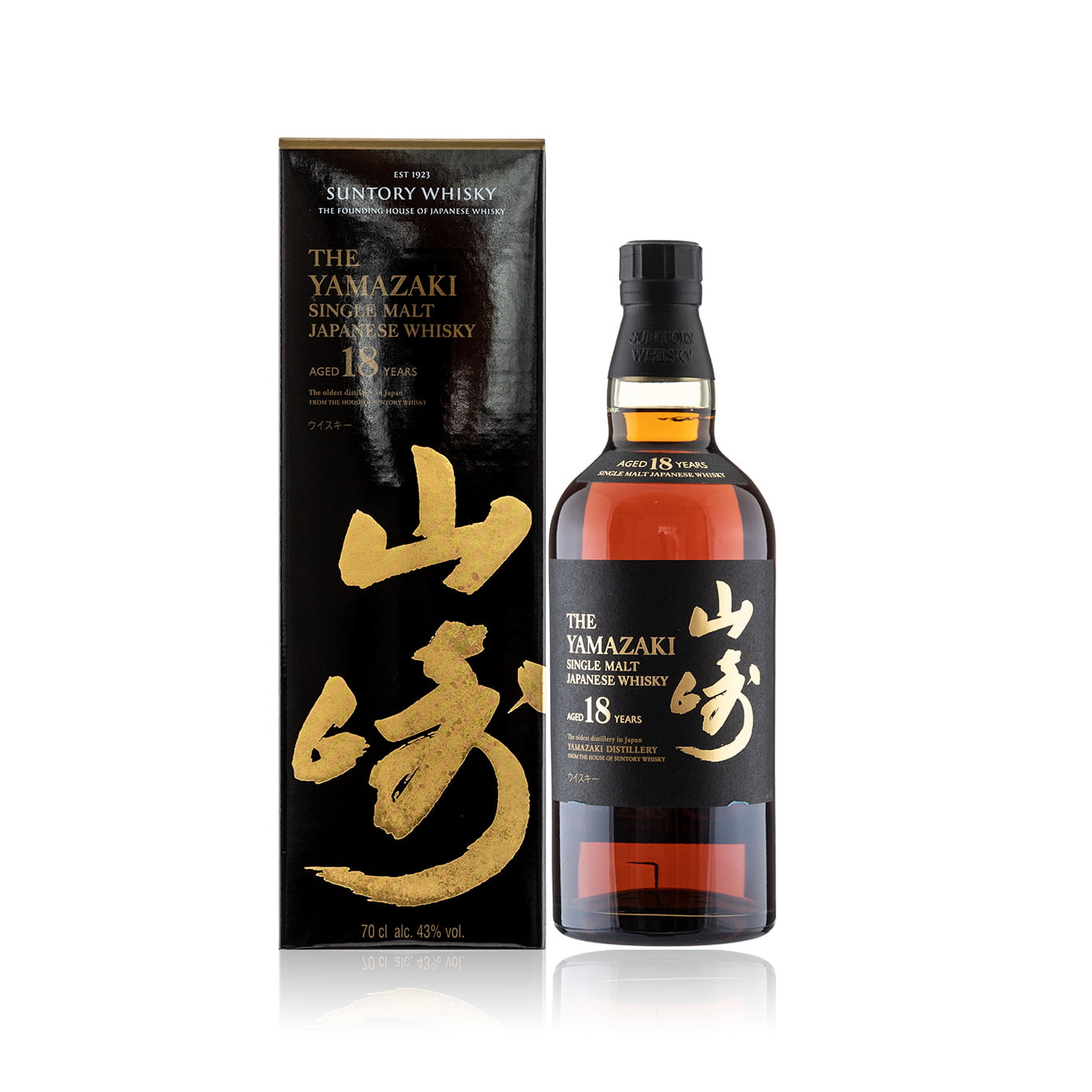
Yamazaki 18

The Spanish sherry casks, in particular, are responsible for its deep mahogany color and bold, fruity flavors. Meanwhile, the Mizunara oak, native to Japan, adds subtle hints of incense, sandalwood, and a lingering spiciness — an unmistakable touch that makes this whisky truly one-of-a-kind.

Tasting Notes That Captivate

From the first pour, Yamazaki 18 reveals its luxurious personality. It’s a sensory experience that invites slow appreciation. On the palate, it’s silky smooth and full-bodied. Notes of toffee, blackberries, coffee, and spices blend seamlessly with the oak-derived flavors, creating a complex yet balanced taste. The finish is long, warm, and slightly dry, with lingering touches of cocoa and aromatic wood.

Every sip delivers a deep sense of satisfaction, offering an evolving flavor journey that rewards the patient and the curious.

Limited Availability and Collectibility

Part of what makes Yamazaki 18 so desirable is its scarcity. Due to the aging process and growing global demand for Japanese Whisky, bottles of this premium masterpiece are increasingly difficult to find. Prices have soared over the years, often retailing at several times its original price tag. Whisky auctions and specialty retailers frequently feature it as a highlight, and enthusiasts often go to great lengths just to secure a single bottle.

Awards and Recognition

Yamazaki 18 has not only captured the hearts of whisky lovers but also earned the respect of the global spirits industry. It has won numerous awards over the years, including multiple gold medals at the International Spirits Challenge and the San Francisco World Spirits Competition.

These accolades speak to the consistency and excellence behind the brand. Even as Other Whiskies rise and fall in popularity, it remains a benchmark for quality and taste.

The Perfect Occasion 

Given its stature, Yamazaki 18 is best reserved for special moments. Whether you are celebrating a milestone, sharing a drink with someone significant, or simply indulging in a rare moment of peace, this whisky adds a touch of sophistication to any occasion.

While some may prefer to enjoy it neat to fully appreciate its complexity, others may add a splash of water to open up the flavors. Regardless of how it’s served, the result is always memorable.

A Taste of Japanese Elegance

In a world filled with Luxury Whiskies, Yamazaki 18 stands out as a true ambassador of Japanese artistry. It represents decades of dedication, experimentation, and an unwavering commitment to quality. From its meticulously selected casks to its expertly blended profile, every element of this whisky speaks to the mastery behind its creation.

For those lucky enough to taste it, it offers not just a drink but a story, a story of heritage, patience, and the quiet beauty of excellence.


Your Cart

Cart is empty

0