

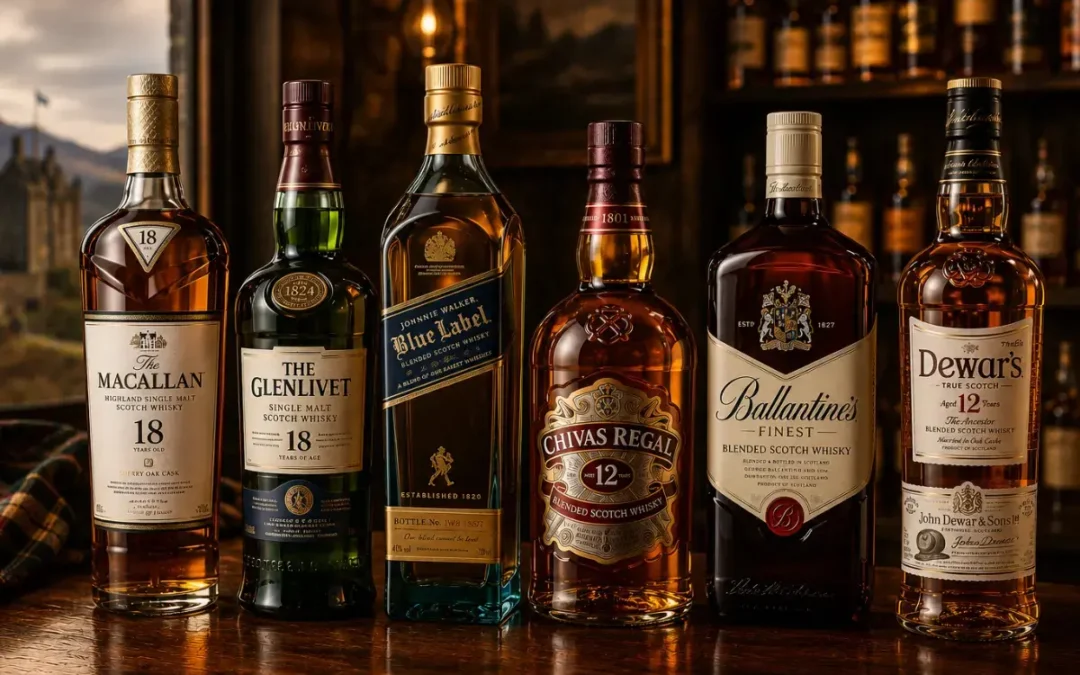
Walking into a liquor store and facing an entire wall of Scotch can feel overwhelming. Bottles display unfamiliar regional names, age statements, cask finishes, and tasting notes that may seem more confusing than helpful. For new buyers—and even many experienced whisky enthusiasts—understanding what those labels actually mean is the key to choosing a bottle they’ll enjoy.
This Scotch buying guide simplifies the buying process by breaking down the information you’ll find on a bottle and explaining how it affects flavor, quality, and value. Instead of relying on price or attractive packaging, you’ll learn how to read labels with confidence and make purchases based on your own preferences.
Quick Answer
If you’re buying Scotch for the first time, pay attention to these three things:
- The whisky region
- The age statement (if present)
- Whether it’s a single malt or blended Scotch
These details reveal more about the whisky than the price tag alone and help narrow your choices based on your preferred flavor profile.
Why Understanding the Label Matters
Many buyers assume that an expensive bottle automatically offers a better drinking experience. In reality, the “best” Scotch depends on personal taste.
The information printed on the bottle tells a story about:
- Where the whisky was made
- How long it matured
- The style of production
- The expected flavor profile
- Special finishing techniques
Learning to interpret these details removes much of the guesswork from purchasing Scotch.
Single Malt vs. Blended Scotch
One of the first terms you’ll notice is whether the whisky is a Single Malt or a Blended Scotch.
Single Malt
Single malt Scotch comes from one distillery and is made using malted barley. These whiskies often highlight the unique character of their distillery and region.
Typical characteristics include:
- Greater regional identity
- More complex flavor development
- Wide range of styles
Blended Scotch
Blended Scotch combines whiskies from multiple distilleries. The goal is consistency and balance rather than showcasing one location.
These bottles often offer:
- Smooth drinking experience
- Accessible flavors
- Excellent value for everyday enjoyment
Neither style is inherently better—it simply depends on what you’re looking for.
Understanding Scotch Regions
Regional differences are one of the most fascinating aspects of Scotch whisky. Climate, local traditions, and production methods all contribute to distinctive flavor profiles.
Speyside
Speyside is known for elegant and approachable whiskies.
Common tasting notes include:
- Honey
- Apple
- Vanilla
- Pear
- Soft spice
These bottles are often recommended for beginners because of their balanced character.
Highlands
The Highlands produce one of the widest ranges of Scotch.
Depending on the distillery, expect flavors such as:
- Heather
- Dried fruit
- Citrus
- Baking spices
- Light smoke
No single style defines the Highlands, making it an exciting region to explore.
Islay
Islay is famous for bold, smoky whiskies.
Typical characteristics include:
- Peat smoke
- Sea salt
- Medicinal notes
- Charred wood
- Black pepper
These whiskies tend to divide opinion—you either love them or need time to appreciate their intensity.
Lowlands
Lowland Scotch generally offers a lighter profile.
Expect flavors like:
- Fresh grass
- Lemon
- Floral aromas
- Gentle sweetness
These whiskies are ideal for those who prefer subtle, delicate flavors.
Campbeltown
Although home to only a handful of distilleries today, Campbeltown remains one of Scotland’s historic whisky regions.
Typical notes include:
- Salted caramel
- Dried fruit
- Earthy spice
- Maritime character
Its whiskies are distinctive and rewarding for adventurous drinkers.
What Does the Age Statement Mean?
Perhaps the most misunderstood part of any label is the age statement.
An age statement indicates the number of years the youngest whisky in the bottle matured inside oak casks before bottling.
For example:
- 10 Years
- 12 Years
- 15 Years
- 18 Years
This does not necessarily mean older is always better.
While additional aging can develop richer flavors, it can also reduce the bright fruitiness found in younger whiskies. Some exceptional Scotch expressions contain no age statement at all because the producer blends different ages to achieve a desired flavor profile.
This is one reason every Scotch buying guide should encourage buyers to focus on taste rather than age alone.
Understanding Cask Types
Oak casks have a significant impact on whisky flavor.
Some common cask types include:
Ex-Bourbon Casks
These often contribute:
- Vanilla
- Coconut
- Honey
- Light oak
Sherry Casks
Known for adding:
- Raisins
- Chocolate
- Nuts
- Rich dried fruit
Wine Casks
These may introduce:
- Berry notes
- Spice
- Soft tannins
- Floral aromas
Some whiskies spend time in multiple casks, creating additional layers of complexity.
Alcohol by Volume (ABV)
Most Scotch is bottled between 40% and 46% ABV, although higher strengths are becoming increasingly popular.
Higher ABV often means:
- Fuller body
- Stronger aromas
- Greater flexibility when adding water
Lower ABV generally offers an easier, smoother introduction for casual drinkers.
Non-Chill Filtered and Natural Colour
Modern labels increasingly mention these production choices.
Non-Chill Filtered
This means more natural oils remain in the whisky, often resulting in:
- Richer mouthfeel
- Enhanced texture
- More concentrated flavors
Natural Colour
Some producers avoid caramel coloring, allowing the whisky’s appearance to come entirely from cask maturation.
These details don’t automatically indicate better quality, but many enthusiasts appreciate the added transparency.
How to Match Scotch to Your Taste
Instead of buying based on popularity, consider your favorite flavors.
If you enjoy:
- Sweet desserts → Look for Speyside whiskies.
- Bold barbecue flavors → Explore Islay.
- Fruity wines → Consider sherry-cask maturation.
- Light cocktails → Try Lowland expressions.
- Rich spices → Sample Highland bottlings.
This approach makes choosing a bottle much easier than relying on ratings alone.
Common Buying Mistakes
Many buyers make the same avoidable errors.
These include:
- Assuming older always means better
- Choosing only by price
- Ignoring regional styles
- Overlooking cask influence
- Buying based solely on attractive packaging
Avoiding these mistakes will lead to more satisfying purchases.
Frequently Asked Questions
Is an older Scotch always better?
No. Older whiskies can be more complex, but younger expressions often deliver brighter fruit flavors and exceptional balance.
What region is best for beginners?
Speyside and the Lowlands are commonly recommended because they typically produce approachable, fruit-forward whiskies.
Should I buy single malt or blended Scotch?
Both have their strengths. Single malts highlight a distillery’s unique character, while blends focus on consistency and balance. For more clear understanding you can read this scotch whisky guide which will help you decide your true taste.
Does price guarantee quality?
Not necessarily. Many moderately priced bottles offer outstanding quality and represent excellent value.
Final Thoughts
Buying Scotch doesn’t have to be intimidating. Once you understand labels, regional styles, age statements, and cask influence, choosing a bottle becomes a much more enjoyable experience. Rather than chasing the oldest or most expensive option, focus on the characteristics that match your personal taste.
The best purchases come from informed decisions, and that’s exactly what this Scotch buying guide is designed to encourage. Whether you’re exploring your very first bottle or expanding an existing collection, understanding what’s written on the label will help you buy with greater confidence. Over time, you’ll discover that every bottle tells a story—and every purchase becomes an opportunity to explore the remarkable diversity of Scotch whisky.



Recent Comments