
by HOS | Jun 27, 2025 | Highland Whisky, Campbeltown Whiskey, Scotch, Specials, Springbank, Whisky
Once hailed as the “Whiskey Capital of the World,” Campbeltown, nestled on the rugged Kintyre Peninsula of western Scotland, was home to more than 30 distilleries in the 1800s. At its peak, the small town was booming with barrels being rolled and the unmistakable scent of peated malt filling the air. But by the mid-20th century, Campbeltown’s whiskey legacy had all but disappeared, reduced to a mere whisper of its former self.
Today, Campbeltown whiskey is making a triumphant return. The region has not only regained the attention of connoisseurs and collectors but is also setting a new gold standard for quality Scotch. So, what’s fueling the remarkable rise of Campbeltown whiskey today?
Springbank: The Keeper of the Flame
If Campbeltown whiskey has a heart, it’s Springbank Distillery. Family-owned since the 1800s, Springbank refused to cut corners even during the industry’s darkest times. They maintained traditional methods: floor malting their own barley, direct fire distillation, and aging their whiskey onsite.
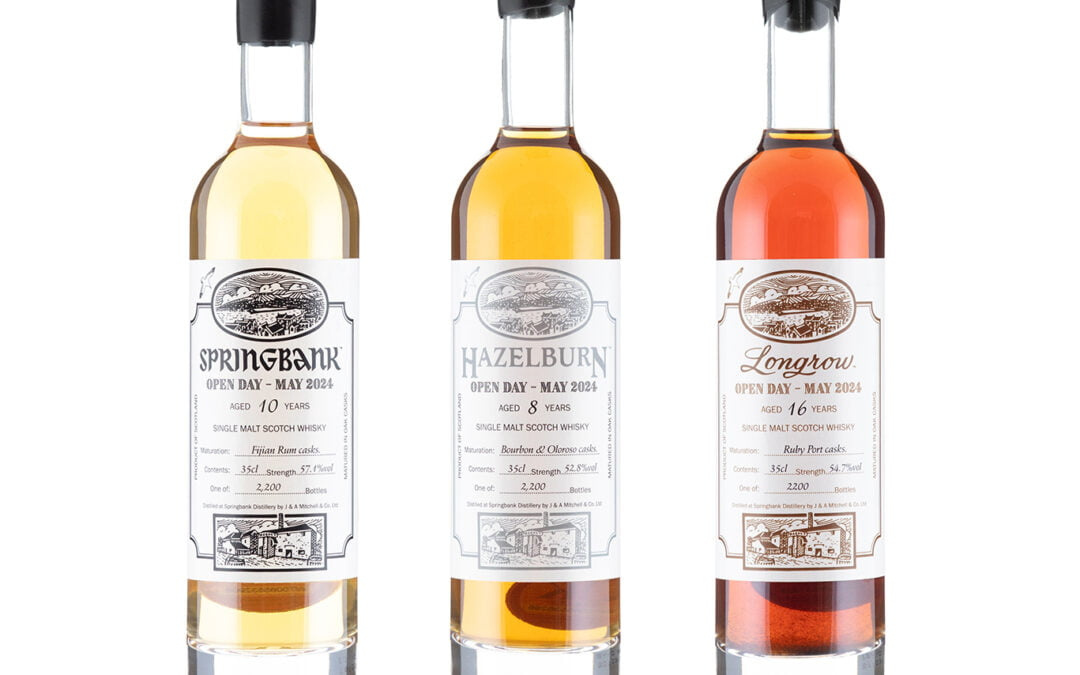
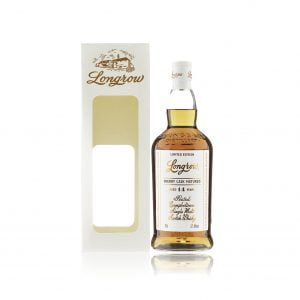
Springbank’s dedication kept Campbeltown’s flame flickering, even when the rest of the world had forgotten the town. Their expressions, particularly the classic Springbank 10, Longrow, and Hazelburn, slowly started to regain cult-like status among whiskey lovers.
While mass-market appeal eluded them during the late 20th century, the tides were turning.
Glen Scotia: The Quiet Resurgence
While Springbank was drawing the attention of purists, Glen Scotia was quietly working on its own revival. Once considered a forgotten distillery, Glen Scotia invested in modernization without sacrificing character. Their expressions are often described as more polished and approachable than Springbank’s, offering a great introduction to Campbeltown’s distinctive profile.
With releases like Glen Scotia Victoriana and the Double Cask, the distillery has reintroduced the region to a broader, global audience. Glen Scotia’s recent accolades—including multiple medals at international whiskey competitions, underscore that Campbeltown is no longer a relic of the past but a force in the present.
The Campbeltown Flavor: Bold and Briny
So, what exactly makes Campbeltown whiskey unique? It’s often described as bold, slightly funky, and layered with flavors you won’t find elsewhere. A Campbeltown dram might greet you with notes of sea spray, oily smoke, salted caramel, and old leather. It’s whiskey with grit, unapologetically robust, and often aged in sherry or bourbon casks for added complexity.
The maritime climate plays a crucial role. Distilleries like Springbank and Glen Scotia sit mere feet from the coast, and many believe the sea air imparts a distinct saltiness and minerality that defines the region.
The New Kids on the Kintyre Block
Campbeltown’s renaissance isn’t just about holding onto the past, it’s about building a future. In 2022, the announcement of new distilleries, like the much-anticipated Machrihanish Distillery, confirmed that Campbeltown’s comeback is no longer speculative.
Another project, Dál Riata Distillery, also aims to blend innovation with tradition, attracting fresh talent, new investment, and modern whiskey drinkers.
These new distilleries are being developed with lessons from the past in mind: small batch production, sustainability, authenticity, and quality-first approaches are leading the way.
A Global Spotlight: Why Whiskey Lovers Are Paying Attention
In recent years, demand for Campbeltown whiskey has exploded. Collectors and investors have started paying top dollar for Springbank expressions. Part of this renewed interest comes from a global trend toward craft and small-batch spirits. As consumers become more educated and adventurous, it offers something different, a break from the predictable flavor profiles of more commercial Speyside or Highland malts.
The region’s limited production adds to its mystique. Unlike other Scotch regions with dozens of producers, Campbeltown’s scarcity drives desirability. When you sip a Campbeltown malt, you’re tasting history, and exclusivity.
The Gold Standard: What Campbeltown Whiskey Represents Today
More than just a beverage, it represents resilience. It tells the story of a community that refused to let its legacy die, of distillers who prioritized craft over profit, and of a town that’s now rising from the ashes with confidence.
Today, this whiskey stands as a gold standard of authenticity in a spirits world that’s often dominated by marketing and mass production. Whether you’re sipping a smoky Longrow, a rich Glen Scotia 15, or looking forward to tasting the first bottlings from new distilleries, you’re joining a movement, a toast to revival.
A Comeback Worth Celebrating
From near extinction to cult-favorite status, the comeback of Campbeltown whiskey is one of the most inspiring stories in the world of spirits. It reminds us that true quality stands the test of time and that sometimes, going against the grain is exactly what the world needs.
So, the next time you’re exploring the whiskey aisle or visiting Scotland, don’t overlook Campbeltown. Pour a dram, breathe in the sea air, and raise your glass to a town that went from ghost town to gold standard and did it with character.
Showing 151–165 of 462 results
by HOS | May 30, 2025 | Whisky, Scotch
For whisky enthusiasts, few things are as exciting as discovering a bottle that perfectly balances age, character, and depth. The Benrinnes 2000 20 Year Old Sherry Cask is exactly that, a matured single malt that combines the bold spirit of Speyside with the richness of a sherry cask finish. This expression is more than just a drink. It’s a refined experience that rewards patience, attention, and appreciation. With two decades of maturation, it offers a complex and indulgent profile.
The Distillery Behind the Bottle
Benrinnes Distillery isn’t the most talked-about name in Scotch whisky circles, but that’s part of what makes it special and unique. Located in the heart of Speyside, Benrinnes produces a spirit known for its muscular and meaty character. Much of its output typically goes into blends, which makes any single malt bottling a bit of a rarity, especially one with this level of age and consistent quality. The Benrinnes 2000 20 Year Old Sherry Cask is a standout, offering whisky lovers a rare opportunity to experience a bold, unfiltered expression of what the distillery is truly capable of.
The Influence of the Sherry Cask
A big part of this whisky’s charm comes from its sherry cask maturation. Sherry casks are typically made from European oak and seasoned with Oloroso or Pedro Ximénez sherry in Spain. These casks are known to impart rich, sweet, and nutty notes. They add layers of dried fruit, spice, and chocolate to the whisky over time. In the case of Benrinnes 2000, the sherry influence is beautifully integrated, adding depth and roundness to the bold Speyside spirit.
Tasting Notes
Nose:
Expect an intense nose filled with raisins, figs, dark cherries, and a touch of molasses. Underneath the fruit, you’ll find hints of tobacco leaf, cocoa, and wood spice.
Palate:
The mouthfeel is oily and full-bodied. Rich flavors of stewed plums, toffee, and roasted nuts take center stage. There’s also a note of baking spices—nutmeg, clove, and cinnamon—that adds complexity.
Finish:
Long and warming. Dried fruits, oak tannins, and a soft touch of leather and chocolate linger long after the sip.
This whisky is one to sip slowly. Every moment with it brings out something new.
Perfect Occasions to Enjoy Benrinnes 2000
Not every whisky is fit for every moment. The Benrinnes 2000 20 Year Old Sherry Cask deserves a setting that matches its character and maturity.
Here are a few occasions where it truly shines:
- Celebrations and Milestones
Marking a promotion? A birthday? A wedding anniversary? This whisky is a fantastic bottle to bring out during major life events. Its richness and rarity make it feel special—just like the occasion. - A Gift for Collectors
If you’re buying for a whisky lover or collector, this is a gift that won’t disappoint. Its age and sherry cask finish make it a thoughtful and appreciated gesture. - Winter Evenings by the Fire
This dram is warm, comforting, and bold, ideal for cozying up by the fireplace on a cold evening. Pair it with some quiet music or a good book for the perfect solo moment. - Formal Dinners or After-Dinner Sips
Hosting a dinner party or holiday meal? This whisky is a wonderful after-dinner pour. Serve it neat in a proper glass to let its complexity shine. - A Toast Between Close Friends
Sometimes, the best whiskies are saved for the people we cherish. Sharing a bottle of Benrinnes 2000 with a close friend or mentor makes the moment memorable and meaningful.
This isn’t an everyday whisky. It’s a bottle you reserve for when the time feels right.
Small Batch, Big Impact
Being an independently bottled release, the Benrinnes 2000 20 Year Old Sherry Cask is typically part of a small batch, often from a single cask. That means it’s not something you’ll see often on store shelves.
The lack of chill filtration and added coloring makes it even more appealing to purists. What you get in the bottle is honest and unaltered, allowing the whisky’s natural color, texture, and depth to shine.
These details make it not just a whisky to drink, but one to appreciate.
How to Enjoy It Best
Pour this whisky into a Glencairn glass to truly savor the aromas. Give it a few minutes to breathe. Adding a few drops of water can open up hidden layers, especially if it’s bottled at cask strength. Pair it with rich dark chocolate, hard cheeses, or dried fruit for an indulgent experience. It also works beautifully with a cigar, if that’s your style.
Final Thoughts
The Benrinnes 2000 20 Year Old Sherry Cask is a bold and luxurious expression from a distillery that often flies under the radar. With its deep sherry influence, full-bodied texture, and well-aged complexity, it offers a rare and rewarding experience. It’s not just for sipping, it’s for savoring. Whether you enjoy it to celebrate, to reflect, or simply to treat yourself, this bottle is a Speyside masterpiece worth your time. If you’re lucky enough to find a bottle, don’t hesitate. It won’t be around forever, and neither will moments as perfect as the one you’re saving it for.
by HOS | Apr 4, 2025 | Scotch, Specials, Whisky
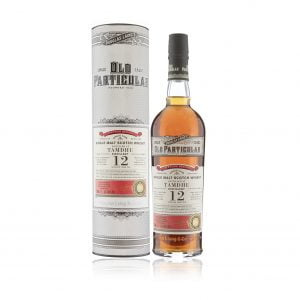
Whisky enthusiasts are always on the lookout for smooth, well-crafted single malts that offer depth, character, and a rich history. Tamdhu 10 is one such gem, a Speyside single malt whisky that deserves a place on every collector’s shelf and a spot in the hearts of whisky lovers worldwide. With its deep roots in Scotland’s whisky-making heritage, Tamdhu 10 represents the perfect balance of tradition, craftsmanship, and flavor. Whether you’re a seasoned whisky connoisseur or just beginning to explore the world of single malts, this remarkable dram promises an unforgettable tasting experience.
The Legacy
Tamdhu Distillery, founded in 1897, is a Speyside treasure known for its commitment to sherry cask maturation. Unlike many distilleries that blend different cask types, Tamdhu takes pride in exclusively maturing its whisky in the finest Oloroso sherry casks from Spain. This dedication to traditional techniques results in a deep, full-bodied whisky with layers of complexity and richness. It is the brand’s flagship expression, reintroduced to the market in 2013 as part of the distillery’s revival. Its classic Speyside character and sherry-influenced maturation have made it a favorite among whisky lovers who appreciate bold yet balanced flavors.

What Makes Tamdhu 10 Unique?
So, what sets this premium whisky apart from other Speyside whiskies? Let’s dive into the key elements that make this single malt truly unique.
100% Sherry Cask Maturation
Many whisky brands use a mix of bourbon and sherry casks to develop their flavors. However, Tamdhu is aged exclusively in first-fill and refill Oloroso sherry casks. This meticulous process gives the whisky a rich, deep amber hue and imparts an unmistakable depth of flavor.
The influence of these sherry-seasoned casks results in a whisky that is both sweet and spicy, with notes of dried fruit, vanilla, and warm spices. Unlike whiskies that artificially add color, Tamdhu relies solely on natural cask influence to create its stunning golden-amber shade.
A Smooth and Well-Balanced Profile
Tamdhu 10 is known for its exceptionally smooth and well-rounded character. It strikes a perfect balance between sweet, nutty, and spicy notes, making it enjoyable for both beginners and experienced whisky drinkers. Its aroma is inviting, offering hints of cinnamon, dried fruit, and toasted oak. Upon the first sip, you’ll experience a wave of sweet sherry, creamy vanilla, and subtle spice, followed by a long and satisfying finish with notes of dark chocolate and roasted almonds.
A True Speyside Experience
Speyside is known for producing some of the world’s most refined and elegant single malts, and Tamdhu 10 stays true to this tradition. It embodies the best qualities of Speyside whiskies—rich, sherried, and exceptionally smooth. Unlike heavily peated whiskies from Islay, this whisky offers a gentle yet complex profile, making it ideal for those who enjoy a more nuanced whisky experience.
Multiple Ways To Enjoy
While whisky enjoyment is a personal journey, Tamdhu 10 shines best when savored slowly. Here are a few ways to enhance your experience:
- Neat: To fully appreciate its depth and complexity, sip it neat. Allow the whisky to breathe for a moment before taking your first sip.
- With Water: Adding a few drops of water can open up the whisky’s flavors, revealing hidden notes of honey, dried fruit, and oak.
- Over Ice: If you prefer a chilled dram, a large ice cube can cool the whisky without diluting it too quickly.
- Paired with Dark Chocolate or Nuts: The rich, sherried character pairs beautifully with dark chocolate, roasted almonds, or dried figs.
Why Tamdhu 10 Is Worth Adding to Your Collection?
Whether you’re an occasional whisky drinker or a dedicated collector, Tamdhu 10 is a bottle that stands out for several reasons:
- Rich and Authentic Heritage – Crafted with time-honored techniques, this whisky is a testament to the legacy of Speyside whisky.
- 100% Sherry Cask Maturation – A rare feature that elevates its depth and complexity.
- Smooth and Approachable – Ideal for both seasoned whisky lovers and newcomers.
- Natural Color and Flavor – No artificial additives, just pure, well-aged whisky.
- Great Value for Quality – It offers a premium experience without the hefty price tag of older single malts.
Final Thoughts
Tamdhu 10 is more than just a whisky; it’s an experience. Every sip tells a story of dedication, craftsmanship, and tradition, making it a must-try for any whisky enthusiast. If you’re looking for a smooth, flavorful single malt with a rich sherry influence, it is a fantastic choice. Whether enjoyed as a quiet nightcap or shared with friends, this whisky brings warmth, character, and a true taste of Speyside to your glass.
by HOS | Mar 19, 2025 | Scotch, Macallan
When it comes to whisky, few names carry the same weight and prestige as Highlands Scotch. This iconic spirit, born in the rugged and breathtaking landscapes of the Scottish Highlands, is a true embodiment of Scotland’s rich heritage and craftsmanship. Whether you’re a seasoned whisky enthusiast or just beginning your journey into the world of single malts, it offers an experience that is both timeless and unforgettable. Let’s take a deep dive into what makes Highlands Scotch so special, from its storied history to its diverse flavor profiles and the distilleries that have made it a global sensation.

The Scottish Highlands: A Land of Legend and Whisky
The Scottish Highlands are more than just a picturesque backdrop for postcards and movies. This vast and varied region, with its rolling hills, misty glens, and ancient castles, is the heart and soul of Scotland’s whisky-making tradition. The Highlands is the largest whisky-producing region in Scotland, stretching from the northernmost tip of the country down to the central belt. Its diverse geography and climate create the perfect conditions for producing a wide range of whisky styles, each with its own unique character.
What sets this scotch apart is its incredible diversity. Unlike other whisky regions that are known for a specific flavor profile, the Highlands offers a spectrum of tastes and aromas. From the bold and smoky whiskies of the north to the lighter, fruitier expressions of the south, there’s a Highlands Scotch for every palate.
What Makes It So Unique?
It is celebrated for its complexity, depth, and versatility. Here are some of the key factors that contribute to its distinctive character:
- Flavor Diversity: The flavor profiles can vary dramatically depending on the sub-region and distillery. Common tasting notes include honey, heather, dried fruit, spices, and a subtle hint of smoke. This diversity is a reflection of the region’s varied terrain and microclimates.
- Traditional Craftsmanship: Distilleries in the Highlands take great pride in their time-honored methods. From malting and mashing to fermentation and distillation, every step of the process is carefully executed to ensure the highest quality. Many distilleries still use traditional copper pot stills, which play a crucial role in shaping the whisky’s flavor.
- Aging in Oak Casks: Highlands Scotch is typically aged in oak casks, which impart additional layers of flavor and complexity. Whether it’s ex-sherry casks that add notes of dried fruit and spice or ex-bourbon casks that bring hints of vanilla and caramel, the choice of cask is a critical factor in the final product.
- Pure Highland Water: The soft, pure water sourced from Highland Springs is a key ingredient in the whisky-making process. This water, often filtered through layers of ancient rock, contributes to the smoothness and clarity of the final spirit.
Iconic Distilleries of the Highlands
The Highlands is home to some of the most famous and revered distilleries in the world. Here are a few that have helped define the region’s reputation for excellence:
- The Macallan: Known for its luxurious single malts, The Macallan is a name synonymous with quality and sophistication. Its whiskies are often aged in sherry-seasoned oak casks, resulting in rich, complex flavors with notes of dried fruit, spice, and chocolate.
- Glenmorangie: Located in the northern Highlands, Glenmorangie is celebrated for its elegant and refined single malts. The distillery’s tall stills, among the tallest in Scotland, produce a light and floral spirit that is both approachable and sophisticated.
- Dalmore: With a history that dates back to the 13th century, Dalmore is one of the oldest and most respected distilleries in the Highlands. Its whiskies are known for their bold, full-bodied flavors and intricate cask maturation techniques.
- Oban: Situated on the west coast of the Highlands, Oban is a small but mighty distillery that produces whiskies with a distinctive maritime influence. Its single malts are characterized by a perfect balance of sweetness and smokiness.
How to Savor Like a Pro
To truly appreciate the nuances of Highlands Scotch, it’s important to enjoy it the right way. Here are a few tips to improve the taste:
- Choose the Right Glass: A tulip-shaped glass or a Glencairn glass is ideal for nosing and tasting whisky. These glasses help concentrate the aromas, allowing you to fully appreciate the whisky’s complexity.
- Serve at Room Temperature: It is best enjoyed at room temperature. Adding a few drops of water can help open up the whisky, releasing its aromas and flavors.
- Take Your Time: Whisky tasting is a sensory experience. Take a moment to appreciate the color, swirl the whisky in your glass, and inhale its aromas before taking a sip. Pay attention to the different flavors and how they evolve on your palate.
- Pair with Food: It pairs beautifully with a variety of foods. Try it with dark chocolate, smoked salmon, or a charcuterie board to complement its flavors.
Why Highlands Scotch Stands the Test of Time
It is more than just a drink, it’s a celebration of Scotland’s history, culture, and craftsmanship. Its enduring appeal lies in its ability to offer something for everyone, from bold and smoky expressions to light and delicate drams. The region’s commitment to quality and tradition ensures that every bottle of Highlands Scotch is a testament to the skill and dedication of its makers.
In recent years, many Highland distilleries have also embraced sustainability, adopting eco-friendly practices to reduce their environmental impact. This commitment to preserving the natural beauty of the Highlands ensures that future generations will be able to enjoy this liquid gold for years to come.
Final Thoughts
Highlands Scotch is more than just a whisky, it’s a journey through the heart of Scotland. Its rich flavors, storied history, and unparalleled craftsmanship make it a true treasure of the whisky world. Whether you’re enjoying a dram by the fireside or sharing a bottle with friends, it offers a moment of pure indulgence and connection to a centuries-old tradition.
So, the next time you’re in the mood for a whisky that embodies the spirit of Scotland, reach for a bottle of Highlands Scotch. Raise your glass, take a sip, and let the magic of the Highlands transport you to a world of flavor and wonder.














Recent Comments