
by HOS | Sep 11, 2026 | Whisky
Planning a dinner party menu usually starts with food, but the drinks list deserves just as much thought. If you want to impress guests without reaching for the same predictable bottle of Scotch, Taiwanese whisky is one of the most exciting choices on the table right now. It’s bold, it’s award-winning, and most importantly — it’s still a conversation starter for many drinkers.
This guide walks you through everything you need to serve it with confidence at your next gathering.
Why Taiwanese Whisky Fits a Dinner Party So Well
Taiwan’s subtropical climate accelerates whisky maturation dramatically compared to traditional whisky regions like Scotland. Barrels breathe faster in the heat and humidity, pulling more flavor from the wood in a shorter time. The result is a whisky that tastes rich and layered even at a younger age.
For hosts, this translates into a few practical advantages:
- Approachable flavor profiles that don’t intimidate casual drinkers
- Strong visual presentation, since many bottles feature striking, gift-worthy packaging
- A built-in story to share with guests who ask “what is this?”
Few spirits double as both a great pour and a great icebreaker.
Understanding the Flavor Profile Before You Buy
Taiwanese whiskies tend to lean fruity, tropical, and slightly spiced rather than smoky or peaty. Expect notes like:
- Ripe mango or pineapple
- Honey and vanilla from cask interaction
- A gentle warmth from cinnamon or clove
- A rounded, almost syrupy mouthfeel
This makes it a flexible pairing partner for a wide range of dinner party menus, from citrus-forward appetizers to rich, spiced desserts.
If your guest list includes people newer to whisky in general, it helps to know how Taiwanese expressions compare to other major styles before you commit to a bottle. This complete guide to whisky types breaks down the differences across Scotch, Bourbon, Irish, and Japanese whisky, which makes it easier to explain to your guests why Taiwanese whisky tastes the way it does.
Choosing the Right Bottle for the Occasion
Not every dinner party calls for the same bottle. Match your selection to the vibe you’re going for.
For a Casual Get-Together
Look for an entry-level single malt with a lighter, fruit-forward profile. These are easy to sip on their own and won’t overwhelm guests who aren’t regular whisky drinkers.
For a Formal Dinner
Choose a cask-strength or limited-edition release. These tend to have more depth and complexity, making them better suited for slow sipping after the meal rather than casual conversation.
For a Themed or Celebratory Event
Seek out award-winning bottles or special finishes, such as sherry cask or port cask expressions. These make for a memorable centerpiece and give you something specific to highlight when introducing the pour.
How to Serve
Presentation matters just as much as the whisky itself when hosting.
- Serve neat or with a single large ice cube. This keeps the aromatics intact without diluting the flavor too quickly.
- Use a tulip-shaped glass. The shape concentrates the aroma, which is especially important for the fruit-forward notes common in Taiwanese whiskies.
- Pour small measures. A one-ounce pour is plenty for guests to taste and discuss, especially if you’re offering multiple bottles throughout the evening.
- Let it breathe for a few minutes. A short rest in the glass allows the tropical and spiced notes to open up fully.
Pairing With Food
One of the easiest ways to elevate a dinner party is to pair your whisky intentionally rather than serving it as an afterthought.
Appetizers
Light, citrus-based bites like ceviche or goat cheese crostini pair naturally with the fruit-forward character of most Taiwanese whisky.
Main Course
Richer proteins such as roasted duck, glazed pork, or grilled salmon complement the honeyed, spiced undertones found in many cask-finished expressions.
Dessert
This is where it truly shines. Pair it with:
- Mango sticky rice
- Crème brûlée
- Dark chocolate with sea salt
The natural sweetness in the whisky mirrors dessert flavors instead of competing with them.
Talking Points to Share With Your Guests
Part of what makes serving Taiwanese whisky fun is the story behind it. A few easy talking points to drop into conversation:
- Taiwan’s whisky industry is relatively young, with most major distilleries founded in the 2000s.
- Despite its short history, Taiwanese whisky has won top international awards, often outperforming century-old distilleries from Scotland and Japan.
- The tropical climate means whisky matures roughly two to three times faster than in cooler regions, which is why even younger expressions taste remarkably developed.
These small facts give guests something to discuss beyond “this tastes good,” which keeps the conversation flowing at the table.
Building a Mini Tasting Flight
If you want to turn the whisky portion of your dinner party into its own experience, consider setting up a short tasting flight instead of a single pour.
A simple three-bottle flight might include:
- A classic single malt to establish the baseline flavor profile
- A sherry cask or wine cask finish to show how cask influence changes the character
- A cask-strength or limited release to demonstrate depth and intensity
Serve them in that order, moving from lightest to boldest, and give guests a small tasting note card if you want to add a more curated feel to the evening.
Common Mistakes Hosts Make
Even experienced hosts can stumble when introducing a less familiar spirit. Avoid these pitfalls:
- Over-pouring. Large servings discourage guests from trying multiple options.
- Serving it too cold. Chilling mutes the aromatic complexity that makes Taiwanese whiskies stand out.
- Skipping context. A quick, casual explanation of what makes the whisky unique goes a long way in building interest.
- Pairing it with overly spicy food. Heavy heat can overpower the more delicate tropical notes.
Final Pour: Making It Memorable
Taiwanese whisky brings something genuinely different to a dinner party — a spirit with a compelling backstory, a flavor profile that appeals to both newcomers and enthusiasts, and enough visual appeal to double as a talking piece on the table. Whether you’re pouring a single bottle for a casual gathering or building out a full tasting flight for a more formal evening, the key is intention: choose a bottle that matches the mood, serve it properly, and give your guests just enough context to make the experience feel special.
The next time you’re planning a menu, don’t treat the whisky as an afterthought. Let it anchor part of the evening, and you might find it becomes the detail your guests remember most.
by HOS | Sep 4, 2026 | American Whisky
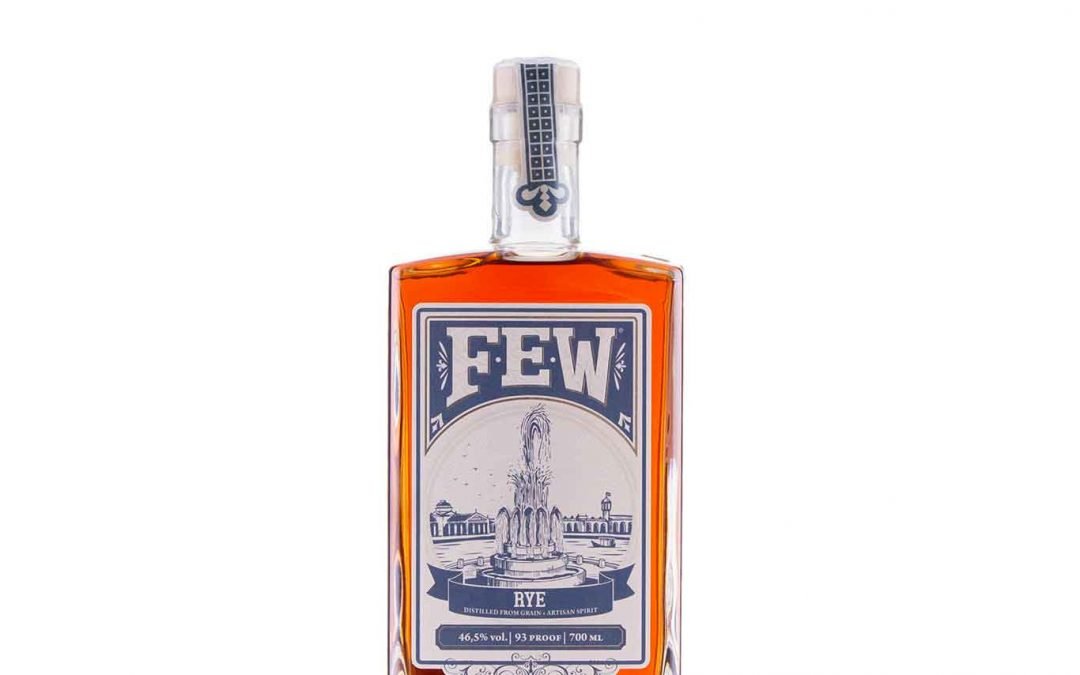
For anyone beginning to explore American whiskey, there is no shortage of styles, flavors, and traditions to discover. Bourbon may be the most famous American whiskey, but another style offers a distinctly bold and spicy character. Rye Whiskey has earned a reputation for its peppery flavor, dry finish, and versatility in both classic cocktails and modern pours.
Whether you’re completely new to whiskey or simply curious about what makes Rye different, understanding its ingredients, production, flavor profile, and history is a great place to start. If you want to explore how Rye fits into the wider world of whisky, our complete guide to whisky types covers the major styles, from bourbon and Scotch to Irish, Japanese, Canadian, and Rye whiskey.
What Is Rye Whiskey?
At its simplest, Rye Whiskey is an American whiskey made with a mash bill containing at least 51% Rye grain. The remaining grains can include corn, malted barley, or other permitted grains.
That high percentage of Rye is what gives the spirit much of its recognizable personality. Compared with many bourbons, rye-based whiskey tends to be spicier, drier, and sometimes more herbal.
However, not every bottle tastes the same. The exact mash bill, aging process, barrel characteristics, distillation methods, and length of maturation all influence the finished spirit.
How Is It Different From Bourbon?
The biggest difference comes down to the primary grain.
Bourbon must contain at least 51% corn, while American Rye whiskey must contain at least 51% rye. Corn generally contributes sweetness and a fuller, rounder character, whereas Rye often brings spice and complexity.
This doesn’t mean that every Rye will taste aggressively spicy. Some are surprisingly smooth and approachable, with notes of caramel, vanilla, fruit, baking spices, and oak.
The contrast becomes especially noticeable when tasting bourbon and Rye side by side.
A Brief History of Rye
Rye has deep roots in American whiskey production. European settlers brought rye-growing traditions to North America, and the grain became particularly important in regions where it grew well.
Pennsylvania and Maryland became associated with Rye whiskey production before Prohibition severely disrupted the American spirits industry. Many historic distilleries disappeared, and Rye lost some of its prominence.
In recent decades, however, interest in classic American whiskey styles has helped bring Rye back into the spotlight. Today, producers across the United States make expressions ranging from traditional styles to innovative interpretations.
What Does It Taste Like?
Flavor is one of the most appealing aspects of Rye Whiskey.
Common tasting notes include black pepper, cinnamon, clove, baking spices, toasted grain, caramel, vanilla, and oak. Some expressions can also show fruity or floral characteristics.
You may notice a lively sensation across the palate, followed by a relatively dry and warming finish. Younger Rye can emphasize grain and spice, while longer-aged versions may develop richer oak, caramel, and vanilla flavors.
The best way to understand the differences is to taste several expressions rather than relying only on descriptions.
Straight Rye vs. Blended Styles
Not all Rye whiskey is presented in exactly the same way.
Straight one generally refers to whiskey meeting specific production and aging requirements under U.S. regulations. Blended products may combine different whiskey components or include other permitted spirits depending on how they are classified.
For beginners, the important thing is to read the label carefully. Terms such as “straight,” age statements, proof, and production details can provide useful clues about what you’re buying.
Why Aging Matters
Barrel aging has a major influence on American whiskey.
After distillation, whiskey is typically matured in new, charred oak barrels. Over time, the spirit interacts with the wood, extracting flavors and developing greater complexity.
Barrel aging can contribute notes of vanilla, caramel, toasted oak, spice, and dried fruit. The environment where the whiskey ages also matters because temperature changes influence how the spirit moves in and out of the wood.
Age alone doesn’t guarantee quality. A well-made younger whiskey can be more enjoyable than an older expression that has become overly dominated by oak.
Understanding Proof
Proof tells you how much alcohol is present in a bottle. In the United States, proof is twice the alcohol-by-volume percentage.
For example, a whiskey labeled 100 proof contains 50% alcohol by volume.
Higher-proof expressions can deliver stronger flavors and more heat, while lower-proof bottles may feel softer and easier for beginners. There is no universally best proof. Personal preference plays a major role.
If you’re new to whiskey, starting with a moderate-proof bottle can make it easier to identify individual flavors.
How Should Beginners Drink It?
There is no single correct way to enjoy Rye Whiskey.
Trying it neat is useful if you want to experience its natural aroma, flavor, and finish. Add a few drops of water if the alcohol feels too strong. Water can sometimes open up additional aromas and make certain flavors easier to identify.
You can also serve it over ice. As the ice melts, the drink becomes gradually diluted and chilled, creating a different tasting experience.
For beginners, experimenting with neat, water, and ice can help reveal which style you prefer.
Rye in Classic Cocktails
Rye has played an important role in American cocktail culture.
Its spicy character makes it particularly effective in cocktails where the whiskey needs to stand out. Classic drinks such as the Manhattan and Sazerac have strong connections to rye.
Rye can also work well with ingredients such as bitters, sweet vermouth, citrus, and sugar. Its natural spice provides structure, preventing cocktails from becoming overly sweet.
This versatility is one reason bartenders continue to value the spirit.
How to Choose Your First Bottle
Choosing your first bottle doesn’t have to be complicated.
Start by deciding whether you want something smooth and approachable or bold and spicy. Look at the proof, age statement, mash bill information when available, and tasting notes provided by the producer.
You can also ask a knowledgeable retailer or bartender for recommendations. Trying whiskey at a tasting is another excellent way to compare different bottles without committing to a full-size purchase.
Remember that price isn’t always an indicator of personal enjoyment. Your ideal bottle is the one that matches your palate.
Food Pairings to Try
The bold character of Rye Whiskey makes it a good companion for flavorful foods.
Consider pairing it with smoked meats, grilled dishes, aged cheeses, dark chocolate, roasted nuts, or desserts featuring caramel and spices. The whiskey’s peppery character can cut through rich foods, while its oak and caramel notes complement sweet or savory flavors.
Experimenting with different combinations can make whiskey tasting even more interesting.
Final Thoughts
For beginners, Rye Whiskey offers an exciting introduction to the more robust side of American whiskey. Its combination of spice, oak, sweetness, and warmth creates a distinctive drinking experience that works equally well neat, over ice, or in cocktails.
The key to exploring it is curiosity. Taste different bottles, compare mash bills and proofs, experiment with serving styles, and pay attention to how flavors develop from the first sip to the finish.
You don’t need to be a whiskey expert to appreciate the spirit. Start with an approachable bottle, take your time, and let your palate guide the journey.

by HOS | Aug 27, 2026 | Canadian Whiskey
Whisky has a long history of craftsmanship, regional traditions, and evolving production techniques. Among the world’s major whisky-producing traditions, Canadian whisky stands out for its versatility, approachable character, and diverse range of flavors. From smooth, lightly sweet expressions to spicy, rye-forward varieties, it offers something for many different palates.
Understanding its history, production, ingredients, and tasting characteristics can make exploring this category much more rewarding.
What Is Canadian Whisky?
It is produced in Canada under regulations governing its production and labeling. The category includes a wide variety of expressions rather than one fixed flavor profile.
Depending on the grains, distillation methods, maturation process, and blending techniques, the finished spirit can range from light and delicate to rich and complex.
This flexibility is one of the reasons it has developed such a broad following.
A Brief History
The history of Canadian whisky is closely connected to Canada’s early agricultural development. European settlers brought distilling knowledge with them, while locally grown grains provided important raw materials.
By the 19th century, distilleries were becoming established across the country. Production expanded as Canadian producers developed techniques suited to their available resources and growing markets.
Canada’s proximity to the United States also played an important role in the industry’s development. During Prohibition in the United States, Canadian producers became particularly important suppliers to the American market.
Over time, the country’s whisky developed its own identity and gained recognition internationally.
The Grains Used
Grain selection has a significant influence on the final spirit.
Producers may use corn, rye, wheat, barley, or combinations of these grains. Each brings different characteristics to the finished product.
Corn can contribute sweetness and a soft texture. Rye is commonly associated with peppery, spicy, or herbal flavors. Wheat can create a gentle and smooth profile, while barley can contribute grain and malt characteristics.
The ability to combine different grains gives distillers considerable creative flexibility.
Understanding Rye
Rye has a particularly strong association with Canadian whisky. In Canada, the term “rye” has historically been used broadly in connection with domestically produced whisky, even though modern expressions can contain different proportions of rye.
Rye-heavy recipes tend to produce more pronounced spice and pepper notes. Expressions with less rye may lean toward softer sweetness, fruit, vanilla, or caramel.
This variation means that consumers should not assume every bottle will taste the same simply because it comes from the same national tradition.
How It Is Made
The production process begins with grains. They are prepared, combined as appropriate, and fermented to create an alcoholic liquid.
Distillation follows. This stage concentrates the alcohol and helps shape the spirit’s character. Different distillation approaches can influence the texture, aroma, and intensity of the final product.
Once distilled, the spirit is typically placed into wooden barrels for maturation.
The Role of Barrel Aging
Barrel maturation is essential to the development of many whisky expressions.
During aging, the spirit interacts with the wood. This interaction can contribute color and flavors such as vanilla, caramel, toasted oak, spice, and dried fruit.
Temperature changes can also influence the maturation process by affecting how the spirit moves into and out of the wood.
The length and conditions of maturation, along with the type of barrel used, can therefore have a significant impact on the finished whisky.
What Does It Taste Like?
There is no single flavor profile that represents every Canadian whisky.
Many expressions are known for smoothness and balance, with possible notes of vanilla, caramel, oak, fruit, grain, or baking spices.
Rye-forward versions may provide more pepper, spice, and herbal character. Other expressions can be richer, sweeter, or more oak-driven.
The best way to understand these differences is to taste several examples rather than relying on a single description.
The Importance of Blending
Blending is another important part of the Canadian tradition.
Producers can combine whiskies with different characteristics to create a balanced final expression. One component may provide sweetness, another spice, and another additional depth.
Blending allows producers to achieve consistency while also developing distinctive flavor profiles.
For enthusiasts, this makes exploring different producers and expressions especially interesting.
Comparing Whisky Traditions
Canadian whisky is often compared with Scotch whisky, Irish whiskey, bourbon, and American rye.
Scotch has strong associations with malt production and regional styles. Irish whiskey includes a broad range of approaches, while bourbon follows specific requirements concerning its grain recipe and barrel maturation.
Canadian production offers its own combination of grain flexibility, distillation practices, and blending traditions.
Rather than deciding which style is best, comparing them can help drinkers understand what makes each tradition distinctive.
How to Taste Whisky
Tasting does not require specialist knowledge.
Begin by observing the color and then gently smelling the spirit. Try identifying familiar aromas such as vanilla, fruit, oak, caramel, grain, or spice.
Take a small sip and allow it to move across your palate. Notice its sweetness, warmth, texture, and intensity.
Finally, pay attention to the finish. Some whiskies disappear quickly, while others leave lingering flavors.
With practice, these observations become easier.
Should You Add Water?
Adding water is completely optional.
A few drops can reduce the intensity of the alcohol and sometimes make certain aromas or flavors easier to detect.
Try tasting a whisky neat first. Then add a small amount of water and compare the experience.
There is no universal rule. The best approach is to drink it in the way you find most enjoyable.
Enjoying It in Cocktails
The versatility of Canadian whisky makes it useful for cocktails as well as sipping.
Its different expressions can work in drinks such as the Old Fashioned, Manhattan, and Whisky Sour.
Spicier rye-forward versions can provide additional character, while lighter expressions can blend smoothly with other ingredients.
For beginners, cocktails can be an approachable introduction before moving toward neat tasting.
Choosing Your First Bottle
Selecting a first bottle can feel confusing because there are so many options.
Start by thinking about your preferred flavors. Those who enjoy sweetness may want to explore expressions with caramel, vanilla, or fruit characteristics.
If bold and spicy flavors are more appealing, a rye-forward option may be a better starting point.
Also consider how you intend to drink it. A versatile bottle can work for both cocktails and sipping, while a more complex expression may be better suited to drinking on its own.
If you’d like to understand whisky styles in more detail, exploring the different types of whiskies can give you greater clarity when choosing a bottle.
Reading the Label
A whisky label can provide useful information about the bottle.
Look for the producer, age statement when provided, alcohol strength, and any information about the whisky’s composition or production.
However, labels do not tell the entire story. Two whiskies with similar information can still taste very different.
Tasting remains the best way to understand a particular expression.
Pairing With Food
Whisky can also complement food.
Aged cheeses can work well with expressions featuring oak, caramel, or spice. Smoked meats may pair particularly well with rye-driven whiskies.
Chocolate, nuts, caramel desserts, and dried fruit can also create interesting combinations.
Experimenting with different pairings is a simple way to discover new flavor connections.
Building Your Knowledge
Exploring this whisky does not require learning every technical term immediately.
Start by comparing a few different expressions. Take simple notes about aroma, sweetness, spice, texture, and finish.
Over time, patterns will emerge. You may discover that you consistently prefer sweeter profiles, spicy rye expressions, lighter whiskies, or heavily matured options.
This personal understanding is more valuable than trying to follow someone else’s definition of the perfect whisky.
Why It Continues to Attract Drinkers
The appeal of Canadian whisky comes partly from its combination of tradition and flexibility.
Its long history provides a strong foundation, while the variety of grains, production methods, maturation approaches, and blending techniques gives producers room to create different styles.
That diversity makes the category approachable for newcomers while giving experienced enthusiasts plenty to explore.
Final Thoughts
Canadian whisky offers a fascinating combination of history, craftsmanship, versatility, and distinctive flavor. Its story has been shaped by agriculture, distilling traditions, changing markets, and generations of producers.
Whether enjoyed neat, with water, over ice, or in a cocktail, it provides numerous ways to explore whisky. Explore our Canadian whisky collectionto discover different expressions and find one that suits your taste.
For beginners, the best approach is simple: start with approachable expressions, taste thoughtfully, compare different styles, and allow your preferences to develop naturally.
The world of whisky is not about finding one universally perfect bottle. It is about discovering the flavors, traditions, and experiences that appeal to you. With its broad range of expressions and distinctive heritage, it provides an excellent place to begin that journey.
by HOS | Aug 13, 2026 | Uncategorized
For anyone beginning to explore American whiskey, understanding the differences between styles, flavors, and aging methods can make the experience much more enjoyable. Bourbon Whiskey has a distinctive identity, shaped by specific production requirements, carefully selected grains, charred oak barrels, and time. While every bottle can offer something different, learning the basics makes it easier to understand what is in the glass and why it tastes the way it does. If you want the bigger picture first, our complete guide to whisky types breaks down every major style, from bourbon to scotch to rye.
What Makes Bourbon Different?
Bourbon is an American whiskey with a defined set of production standards. To qualify as bourbon, the spirit must be made in the United States and produced from a grain mixture containing at least 51% corn.
It must also be aged in new, charred oak containers. The spirit enters the barrel at no more than 125 proof and is bottled at a minimum of 80 proof.
These requirements create a recognizable foundation, but they do not make every bottle taste the same. Producers can change the grain mixture, barrel location, aging period, proof, and production techniques to create different profiles.
The Importance of the Mash Bill
The mash bill is the recipe of grains used to make the whiskey.
Corn is always the dominant grain in bourbon, but producers typically combine it with other grains such as rye, wheat, and malted barley.
High-Rye Bourbon
A higher percentage of rye can contribute spicy, peppery, herbal, or slightly dry characteristics. These expressions are often appealing to drinkers who prefer a more energetic flavor profile.
Wheated Bourbon
Wheated bourbon replaces rye with wheat as the secondary grain. Wheat can produce a softer and rounder character, often accompanied by sweet, smooth flavors.
Traditional Bourbon
Traditional recipes commonly use corn alongside rye and malted barley. Depending on the producer and proportions, these bourbons can balance sweetness with spice.
The mash bill is therefore one of the first details worth considering when choosing a bottle.
Understanding Bourbon Flavors
Flavor is one of the most enjoyable parts of exploring whiskey. Because bourbon relies heavily on corn and new charred oak, sweetness and oak-derived notes are common.
You may encounter flavors such as:
- Vanilla
- Caramel
- Brown sugar
- Toasted oak
- Baking spices
- Dried fruit
- Nuts
- Chocolate
- Citrus
- Pepper
- Leather
However, no two bottles necessarily taste identical. The grain combination, barrel characteristics, warehouse conditions, age, and proof can all influence the final profile.
Where Do the Flavors Come From?
The ingredients provide the foundation, but the barrel plays an enormous role.
New charred oak can contribute compounds associated with vanilla, caramel, toast, spice, and other flavors. During aging, the whiskey interacts with the wood as it moves in and out of the barrel due to changes in temperature.
This interaction gradually develops the spirit.
The length of aging matters, but older does not automatically mean better. Some whiskeys reach an appealing balance relatively early, while others benefit from additional time in oak.
Why Aging Matters
Aging is one of the defining characteristics of American whiskey production.
When freshly distilled spirit enters a new charred oak barrel, it is relatively intense and unfinished. Over time, the interaction between spirit and wood changes its aroma, flavor, color, and texture.
As the whiskey matures, it can become more rounded and complex. Oak influence may become increasingly noticeable, while certain sharper characteristics can soften.
However, aging involves balance. Too little oak influence may leave a whiskey tasting young or aggressive, while excessive oak can dominate the underlying spirit.
Does Older Mean Better?
Age statements can attract attention, but they should not be treated as a simple quality ranking.
A 12-year-old bottle is not automatically superior to a well-made 6-year-old expression. The ideal aging period depends on factors including barrel conditions, warehouse environment, and the producer’s goals.
Longer aging generally means more time for interaction with oak, but more oak is not always desirable.
For beginners, it can be useful to taste bottles from different age ranges and compare how their flavors and textures change.
What Is Barrel Proof?
Proof refers to the alcohol strength of a whiskey.
Most bottles are diluted with water before bottling to reach a desired proof. Barrel-proof or cask-strength expressions are generally bottled with little or no dilution after maturation. Higher-proof whiskey can deliver stronger flavors and a more intense mouthfeel. It can also be diluted with a small amount of water to explore how the aroma and flavor change.
When trying Bourbon Whiskey at higher proof, beginners may want to start with smaller pours and experiment gradually.
Straight Bourbon and Other Labels
Understanding common terminology makes whiskey shopping easier.
Straight Bourbon
Straight bourbon generally refers to bourbon aged for at least two years and meeting the applicable production requirements.
Bottled in Bond
Bottled-in-bond bourbon follows specific requirements involving production, aging, proof, and labeling. Among other requirements, it must be aged for at least four years and bottled at 100 proof.
Small Batch
“Small batch” is commonly used by producers to describe a selected quantity of barrels. However, there is no single universal legal definition that establishes exactly how many barrels constitute a small batch.
Single Barrel
A single-barrel expression comes from one barrel rather than being blended from multiple barrels. This can make individual bottles more distinctive because barrel characteristics can vary.
How to Taste Bourbon
Tasting does not require complicated equipment.
Start by pouring a small amount into a suitable glass. Observe the color, then smell the whiskey before tasting it.
Take a small sip and allow it to move across your palate.
Pay attention to:
- Aroma: What do you smell first?
- Entry: What flavors appear immediately?
- Texture: Is it light, rich, oily, or dry?
- Development: Does the flavor change?
- Finish: How long do the flavors remain?
Adding a few drops of water can also reveal different aromas and soften the alcohol sensation.
Choosing Your First Bottle
There is no single best bottle for every drinker.
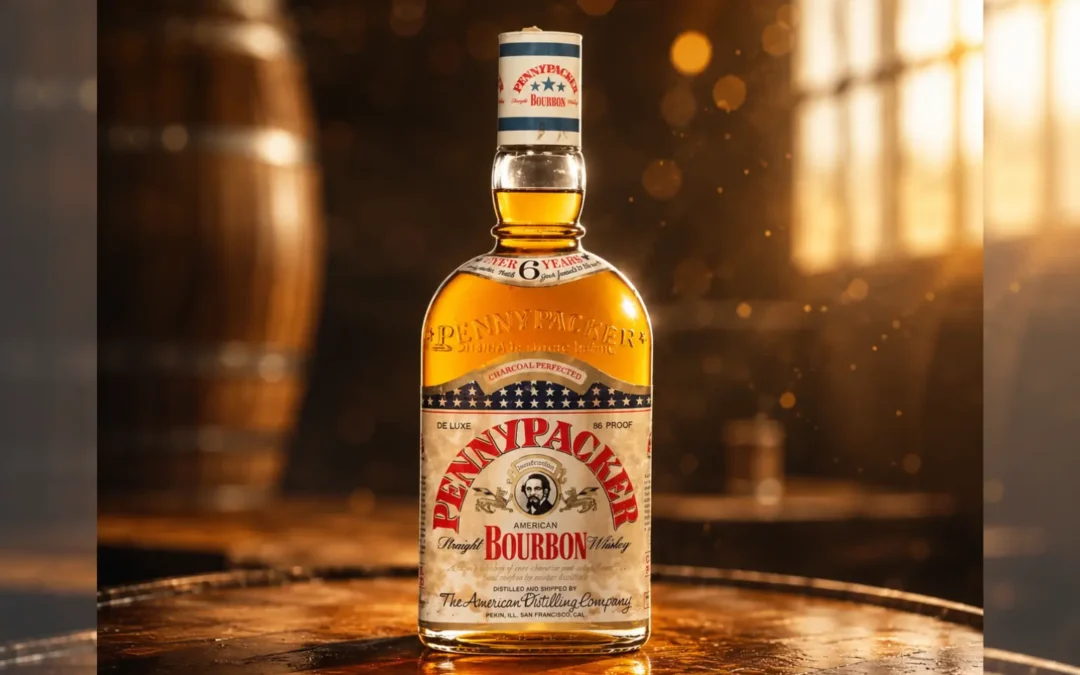
If you enjoy sweeter flavors, a wheated expression may be worth exploring. If you prefer spice, a high-rye recipe could be more appealing. Proof is another consideration. Lower-proof bottles can be approachable for beginners, while higher-proof expressions may offer greater intensity. Penny Packer Bourbon Whiskey, bottled at 80 proof, is a solid example of an easy-sipping bottle for newcomers who want approachability without sacrificing character.
Price should not be the only guide. A moderately priced bottle can provide an excellent introduction to the category.
How to Store Bourbon
Once bottled, whiskey does not mature in the same way it does inside a barrel.
Keep bottles upright rather than laying them horizontally. Store them away from direct sunlight and extreme temperature changes. If a bottle is nearly empty, prolonged exposure to air can gradually affect its character. For special bottles, transferring the remaining whiskey into a smaller sealed bottle can reduce the amount of air inside.
Proper storage helps preserve the spirit’s existing qualities.
Bourbon and Food Pairings
The rich flavors found in bourbon can work well with a variety of foods.
Sweet and oak-forward expressions can complement desserts containing chocolate, caramel, or nuts. Spicier expressions can work nicely with grilled meats, smoked foods, or dishes containing warming spices. Cheese can also create interesting combinations, particularly stronger or aged varieties.
Pairing is ultimately about balance. The food and whiskey should complement rather than overpower one another.
Building Your Knowledge
Learning about Bourbon Whiskey becomes easier through comparison.
Instead of trying many unrelated bottles, compare expressions based on one characteristic at a time. Try a traditional mash bill beside a wheated bourbon. Compare different proof levels. Taste younger and older expressions.
Keep simple tasting notes. Record aromas, flavors, proof, age, and your overall impression.
Over time, patterns will emerge, making it easier to identify your personal preferences.
Common Beginner Mistakes
New drinkers sometimes assume expensive bottles are automatically better. Others focus heavily on age statements or proof without considering the overall flavor profile.
Another common mistake is drinking too quickly.
Whiskey is designed to be explored. A small pour, slower tasting, and occasional water can reveal much more than simply taking a large sip.
Most importantly, avoid treating someone else’s favorite style as a rule for your own preferences.
Exploring Bourbon With Confidence
There is a lot to discover, but learning the fundamentals provides a strong starting point. The grain recipe influences the foundation, barrels shape much of the flavor, and aging helps develop complexity.
Bourbon Whiskey can range from soft and sweet to spicy, rich, fruity, woody, or intensely robust. That variety is part of what makes the category so interesting.
The best approach is to remain curious. Taste different styles, compare bottles, learn the terminology, and pay attention to what you actually enjoy.
Ultimately, understanding bourbon is less about memorizing rules and more about developing your palate. Once you understand how mash bills, barrels, aging, proof, and production choices influence the spirit, every tasting becomes an opportunity to learn something new.
by HOS | Aug 12, 2026 | Uncategorized
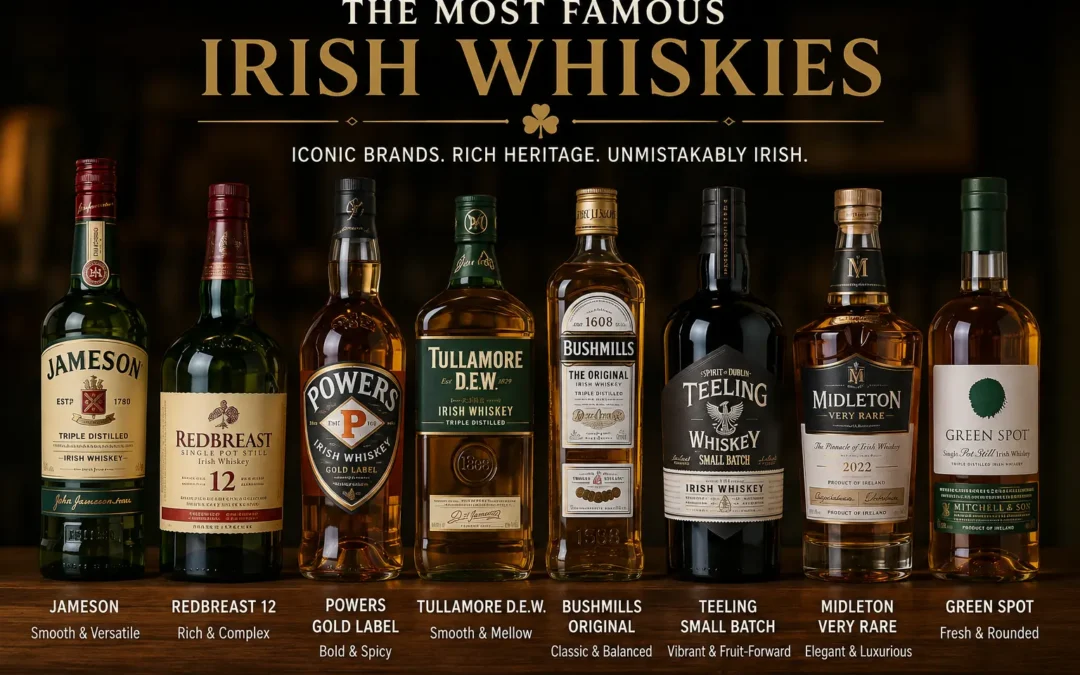
There’s no single “correct” way to drink Irish Whiskey. Neat reveals its true character, on the rocks softens it for easy sipping, and cocktails highlight its smooth, mixable nature. The best method depends on the whiskey’s quality, your mood, and the occasion.
Most people default to habit — always neat, always with ice, always in a cocktail — without ever asking whether that method is actually doing their glass any favors. This spirit rewards a little curiosity, and understanding the “why” behind each serving style can turn an average pour into a genuinely memorable one. Here’s how to figure out what works, and why it works.
Does Serving Style Actually Change the Flavor?
Yes — significantly. Whiskey isn’t a fixed, unchanging liquid; the moment it leaves the bottle, temperature, dilution, and exposure to air all begin reshaping it in real time:
- Cold mutes aroma and sharpens texture, hiding some subtler notes
- Room temperature opens up aroma and complexity, letting hidden layers emerge
- A few drops of water can unlock hidden vanilla, honey, or fruit notes
- Melting ice softens alcohol heat but also dilutes flavor gradually over time
Two people drinking the exact same bottle can walk away with completely different impressions of it, simply based on which of these variables they controlled — and which they left to chance.
What Does Drinking Irish Whiskey Neat Reveal?
Drinking it neat — no ice, no mixer, at room temperature — is the most honest way to taste it. Nothing is hidden and nothing is softened.
Best for:
- Evaluating a bottle’s true quality
- Smoother, triple-distilled expressions
- Slow, focused sipping rather than casual drinking
If a bottle holds up neat, that’s usually a strong signal of craftsmanship. Premium bottles are typically distilled with this exact test in mind — the goal is a spirit smooth enough that dilution isn’t necessary to make it enjoyable. That’s also why neat pours are the preferred method for tastings and reviews: nothing is added or subtracted, so what you taste is exactly what the distiller intended.
Why Do So Many Drinkers Prefer Whiskey on the Rocks?
Ice does two things simultaneously: it chills the Irish whiskey and gradually dilutes it as it melts. That combination smooths out sharper, younger expressions and makes them easier to drink over a longer period.
One detail most people miss: ice size matters.
- Small cubes melt fast, watering down the pour too quickly
- Large-format cubes or spheres chill slowly, giving a more controlled flavor curve
For casual or first-time drinkers, on the rocks is often the smartest starting point. It eases the intensity without masking the identity of the whiskey underneath, making it a comfortable middle ground between full-strength neat pours and heavily mixed cocktails.
Is It Disrespectful to Mix Irish Whiskey Into a Cocktail?
No — and the idea that it is misunderstands the spirit’s own history. It has a long-standing role behind the bar, not just in a standalone glass.
Its lighter, smoother profile — especially compared to peatier Scotch or heavier bourbon — makes it one of the most cocktail-friendly whiskeys available. It blends rather than overwhelms.
Cocktails worth trying:
- Irish Coffee — the classic, elevated when made properly
- Whiskey Sour — citrus and sweetness balance the spirit’s warmth
- Irish Mule — a spicier twist on the traditional Moscow Mule
A good cocktail doesn’t mask a poor bottle — it complements a good one. Bartenders often reach for this whiskey specifically because it plays well with other ingredients without disappearing into them, which is a rarer quality among whiskeys than most people realize.
Which Method Is Best for Irish Whiskey — Neat, Rocks, or Cocktail?
There’s no universal winner. The right approach depends on your goal for that specific pour:
| Goal | Best Method |
| Judge a bottle’s true character | Neat |
| Relax over a slow evening | On the rocks |
| Impress guests or unwind creatively | Cocktail |
Experienced drinkers rarely commit to just one style. They adjust based on the bottle, the season, and the moment.
Does the “Right Way” to Drink It Change Over Time?
Yes, and that’s normal. Even seasoned drinkers shift preferences depending on mood and season — an Irish Mule on a summer evening, a neat pour on a quiet Sunday night. There’s no prestige in drinking it “the hard way.” The only real win is enjoying the glass in front of you.
Frequently Asked Questions
Is it better neat or with ice?
Neither is objectively better. Neat shows the whiskey’s full character; ice softens it for easier, longer sipping. The right choice depends on the bottle’s quality and your personal taste.
Does it mix well in cocktails?
Yes. Its smooth, light profile makes it especially cocktail-friendly compared to smokier or heavier whiskey styles.
What size ice cube is best?
Larger cubes or spheres are preferred. They melt slowly, chilling the Irish whiskey without diluting it too quickly.
Should beginners drink it neat?
Not necessarily. On the rocks is often a gentler starting point, easing new drinkers into the spirit before trying it neat.
Also read our complete whisky types to know more about whiskies
A Small Habit Worth Building
Try this next tasting session: pour the same bottle three ways — neat, on the rocks, and in a simple cocktail — side by side. Most drinkers are shocked at how different one bottle can taste across all three. It’s the fastest way to discover your real preference, rather than the one you inherited from habit.
The Bottom Line
There is no single correct way to enjoy Irish Whiskey. Each method — neat, on the rocks, or in a cocktail — reveals a different side of the spirit. The smartest approach isn’t picking one and sticking with it forever; it’s matching the method to the moment, the bottle, and what you actually want out of the glass.
Next time you pour a glass, resist the urge to default to habit. Ask what you’re actually after — clarity, comfort, or creativity — and let that decide how it ends up in your glass.
Ready to buy? Explore our Irish Whiskey collection and find the bottle that suits your preferred way to enjoy it.




Recent Comments