The House of Whisky - Logo

Specialists in collectable and rare whiskies.

Award Winning Whisky

Worldwide Delivery

Order by 3 pm for next working day delivery  –  Worldwide Shipping Available  –  Free UK Mainland Standard Delivery for orders over £100.

We currently do not ship to the U.S

Is Campbeltown Whisky the Next Big Trend in Modern Scotch Culture?

Is Campbeltown Whisky the Next Big Trend in Modern Scotch Culture?

In today’s whisky world, trends move differently than they once did. Influence no longer comes only from legacy marketing or mass distribution. Instead, curiosity, authenticity, and individuality shape what drinkers reach for next. Among collectors, bartenders, and new enthusiasts alike, one name is appearing more often in conversations, Campbeltown Whisky.

Once considered a niche choice, this distinctive Scotch style is now gaining serious attention. The question many whisky lovers are asking is simple: Is Campbeltown whisky becoming the next major movement in modern Scotch culture?

A Shift Toward Character Over Popularity

Modern drinkers are increasingly drawn to products that feel personal rather than predictable. For years, mainstream Scotch conversations centered on widely recognized regions. Today, however, consumers are exploring smaller producers and unique flavor identities.

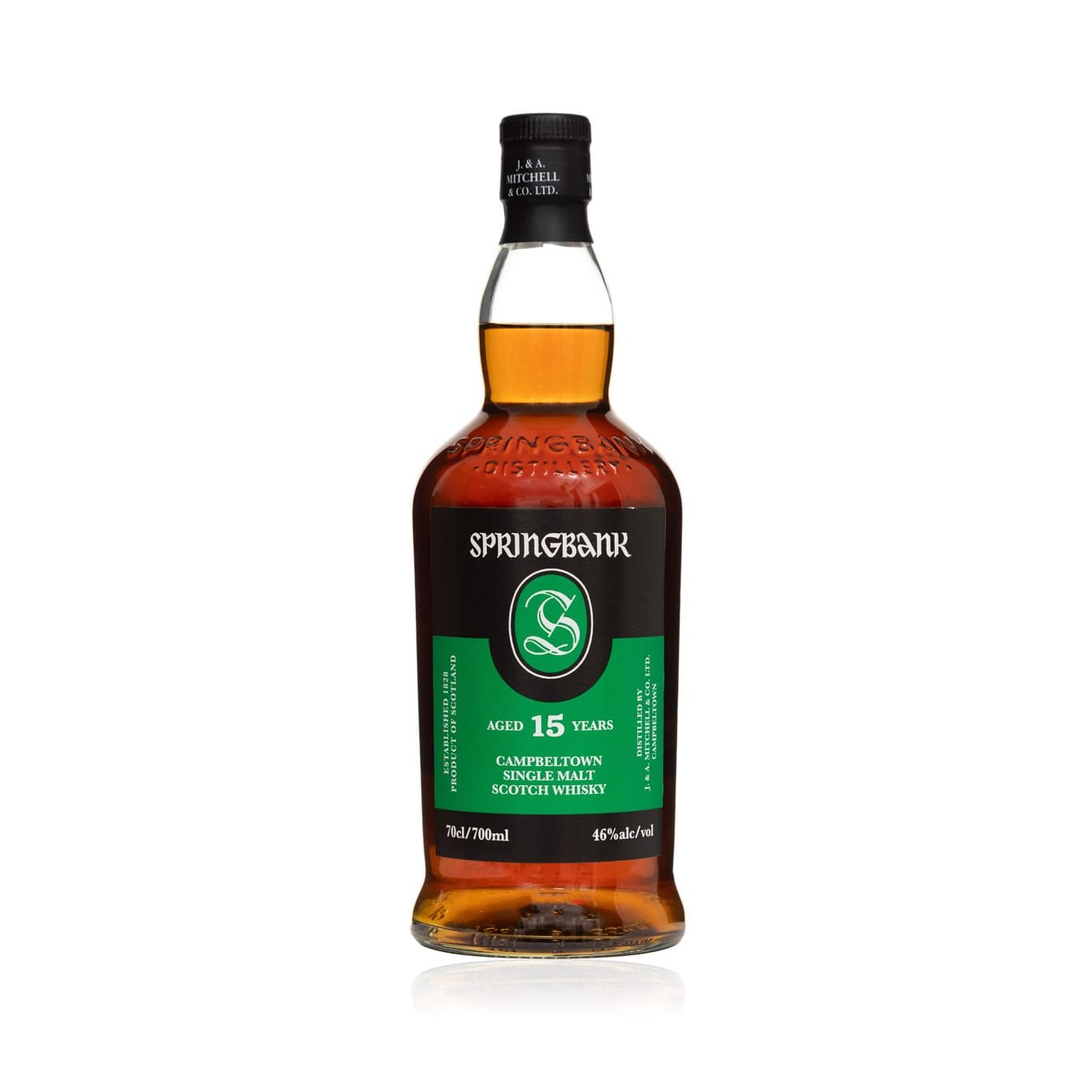
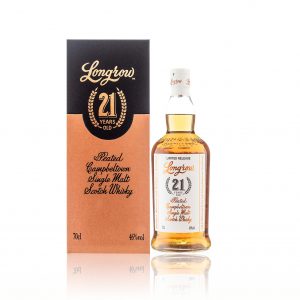
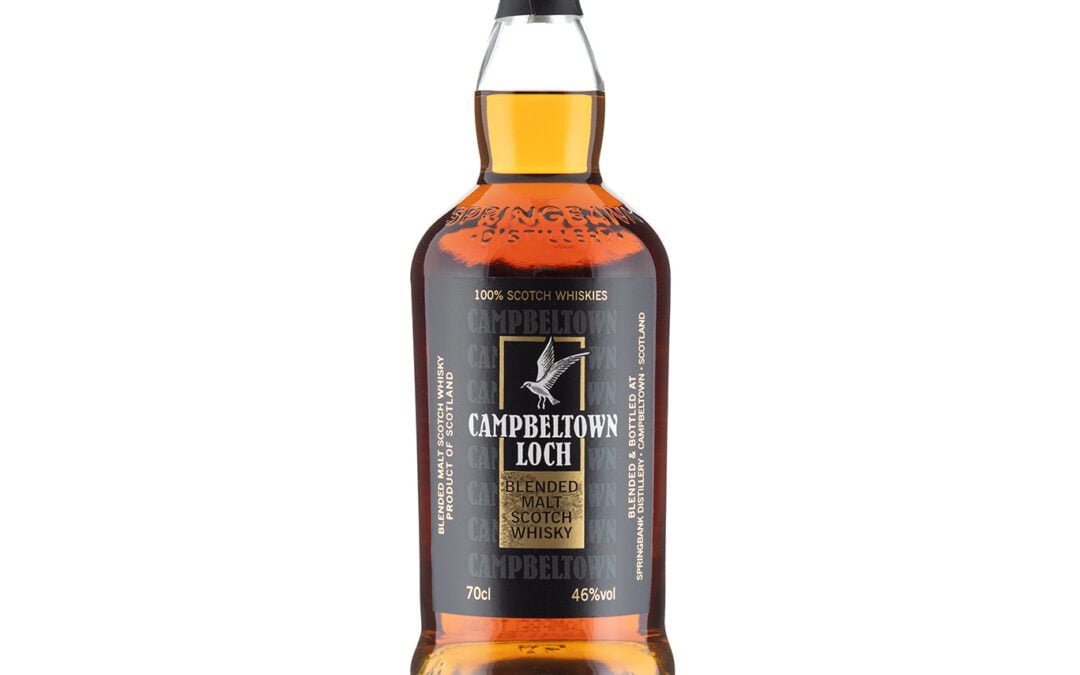
Campbeltown whisky fits perfectly into this shift. Produced in the coastal town of Campbeltown on Scotland’s Kintyre Peninsula, these whiskies offer something different from polished commercial profiles. They are often described as complex, slightly maritime, subtly smoky, and richly textured, characteristics that stand apart without trying too hard.

In a culture that values originality, that difference matters.

The Rise of the Curious Whisky Drinker

The modern whisky audience looks very different from previous generations. Social media, tasting communities, and global whisky clubs have created a new type of enthusiast: the curious explorer.

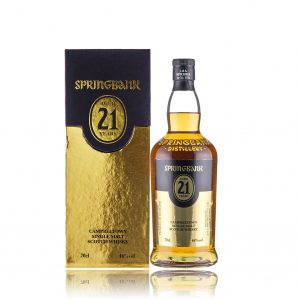
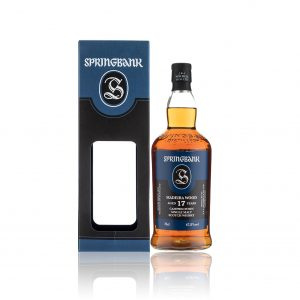
Rather than sticking to familiar labels, today’s drinkers want discovery. They want bottles with stories, craftsmanship, and personality. This whisky naturally appeals to this mindset because production remains relatively small and intentional. Distilleries such as Springbank Distillery emphasize traditional methods, hands-on processes, and careful maturation. In a modern world dominated by automation, that human touch resonates strongly.

Whisky drinkers today aren’t just buying flavor, they’re buying authenticity.

Modern Luxury Is Becoming More Personal

Luxury itself has changed. Instead of flashy exclusivity, modern luxury leans toward rarity, craftsmanship, and meaningful experience. This whisky quietly embodies this new definition.

Because production volumes are limited, bottles often feel like discoveries rather than commodities. Finding one on a bar shelf or specialty retailer creates a sense of insider knowledge. This subtle exclusivity appeals especially to younger professionals and creative communities who value uniqueness over status symbols.

Flavor Profiles Built for Contemporary Palates

Another reason behind the growing buzz lies in flavor. Modern drinkers appreciate complexity but also balance. Campbeltown whiskies often deliver layered experiences: coastal saltiness, gentle smoke, orchard fruit sweetness, and oily textures that evolve in the glass.

These profiles work beautifully in today’s drinking culture, where experimentation is encouraged. Bartenders are rediscovering how Campbeltown expressions perform in premium whisky cocktails, while enthusiasts enjoy them neat during relaxed tasting sessions.

Unlike heavily peated or overly sweet styles that dominate specific categories, Campbeltown whisky occupies a fascinating middle ground — bold yet approachable, distinctive yet versatile.

The Influence of Modern Whisky Communities

Digital culture plays a massive role in shaping whisky trends. Online tastings, review platforms, and enthusiast forums allow small regions to gain global recognition almost overnight.

This whisky benefits enormously from this environment. Influencers, collectors, and independent reviewers frequently highlight these bottles as hidden gems worth exploring. When passionate drinkers share genuine excitement rather than sponsored promotion, curiosity spreads quickly.

This organic growth feels different from traditional marketing-driven popularity. It’s community-driven enthusiasm, and that type of momentum tends to last.

Sustainability and Craft Matter More Than Ever

Another defining feature of modern Scotch culture is awareness. Drinkers increasingly care about how whisky is made, where ingredients come from, and whether production respects tradition and environment.

Smaller-scale operations naturally align with these values. Emphasis on local identity, slower production rhythms, and long-term maturation mirrors broader cultural trends toward sustainability and craftsmanship.

As consumers become more conscious, whiskies that reflect genuine care gain lasting loyalty.

A Trend or a Long-Term Evolution?

Calling Campbeltown whisky a “trend” may actually undersell what is happening. Trends suggest temporary excitement, but the current rise feels more like a correction within Scotch culture, a return to diversity and regional appreciation.

Instead of replacing other whisky styles, Campbeltown is expanding the conversation. It reminds drinkers that Scotch is not defined by a single flavor or reputation but by a spectrum of identities shaped by place, people, and philosophy.

Why It Feels Perfect for This Moment

Several cultural forces are converging at once:

  • Drinkers seeking authenticity over mass appeal

  • A growing appreciation for craft production
  • Interest in immersive tasting experiences
  • Community-driven recommendations replacing traditional advertising
  • A lifestyle shift toward intentional enjoyment

Campbeltown naturally sits at the intersection of all these movements.

It doesn’t demand attention loudly. Instead, it rewards curiosity, and curiosity defines modern Scotch culture more than anything else.

The Future of Campbeltown in Modern Scotch Culture

Will Campbeltown whisky become the next dominant Scotch category? Perhaps dominance isn’t the goal. Its strength lies in remaining distinctive while gaining recognition.

What seems increasingly clear is that it represents where whisky culture is heading: toward individuality, storytelling, and meaningful experience. As new generations continue exploring beyond familiar names, this small coastal region is likely to play a much larger role in shaping global whisky conversations.

For many drinkers, the trend has already begun. The rest of the world is simply catching up.

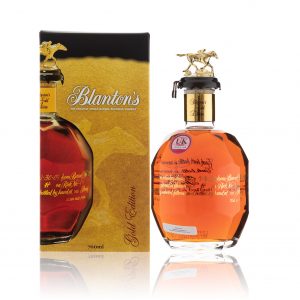
Blanton’s Gold Whisky Sale Rising Day by Day. Why?

Blanton’s Gold Whisky Sale Rising Day by Day. Why?

In recent years, premium whisky has shifted from being a quiet indulgence to a global cultural phenomenon. Among the bottles driving this change, Blanton’s Gold stands out. Once known primarily among seasoned bourbon enthusiasts, it has now become one of the most talked-about whiskies in the premium segment. Sales continue to rise day by day, and the reason goes far beyond simple hype.

So what exactly is fueling the growing demand for Blanton’s Gold whisky?

A Reputation Built on Rarity

One of the strongest forces behind the rising sale is limited availability. Unlike mass-produced spirits, Blanton’s Gold is released in smaller batches, making it harder to find. Scarcity naturally increases demand, especially in markets where consumers associate rarity with prestige and value.

When availability is limited, buyers are more likely to purchase quickly when bottles appear. This urgency drives consistent sales and keeps it in constant demand across global markets.

Premium Taste That Matches the Hype

While rarity attracts attention, quality sustains demand. It is known for its rich, complex flavor profile, offering a balance of sweetness, spice, and depth that appeals to both seasoned whisky drinkers and those stepping into premium bourbon for the first time.

The higher proof delivers a bold experience without overwhelming the palate. For many consumers, it represents a noticeable step up from standard expressions, justifying its premium positioning and encouraging repeat purchases.

The Power of Brand Heritage

Blanton’s has a long-standing heritage rooted in traditional bourbon craftsmanship. In an age where consumers value authenticity, stories matter. Buyers aren’t just purchasing a bottle, they’re buying into a legacy of careful aging, craftsmanship, and respect for tradition.

It benefits greatly from this narrative. It represents not only quality whisky but also heritage distilled into a modern luxury experience, something that resonates strongly with today’s premium consumers.


Collectibility and Investment Appeal

Another major factor behind rising sales is the growing perception of Blanton’s Gold as a collectible asset. Whisky collecting has expanded rapidly, with enthusiasts and investors alike viewing limited bottles as long-term value holders.

It often sells out quickly, and resale prices in secondary markets frequently exceed retail. This reinforces the belief that buying a bottle is not only a personal indulgence but also a smart acquisition. As more people enter the whisky investment space, demand continues to rise.

Social Media and Word-of-Mouth Influence

Digital platforms have played a significant role in boosting this whisky’s sales. Reviews, tasting notes, unboxing videos, and collection showcases spread rapidly across social media. When respected enthusiasts highlight a bottle, it often triggers immediate spikes in interest.

Word-of-mouth remains powerful, especially in premium categories. As more drinkers share positive experiences, this masterpiece continues to gain credibility and desirability among wider audiences.

Shifting Consumer Preferences Toward Premium Spirits

Globally, consumers are drinking less but better. Rather than purchasing large quantities of standard spirits, buyers are choosing fewer bottles with higher quality and stronger identity.

It fits perfectly into this shift. It offers a premium experience that feels intentional and rewarding. This change in consumer behavior directly supports rising sales, as buyers are willing to invest more in a single exceptional bottle.

Gift Appeal and Status Symbol

It has also become a popular luxury gift choice. Its distinctive bottle design, premium labeling, and reputation make it an impressive present for celebrations, milestones, and corporate gifting.

In many circles, gifting gold bottle signals refined taste and appreciation for quality. As gifting culture evolves toward meaningful, premium items, demand for standout bottles continues to grow.

Global Market Expansion

Previously concentrated in select regions, Blanton’s Gold has seen growing interest in international markets. As whisky culture expands globally, new consumers are discovering premium American bourbon expressions.

This expansion fuels daily sales growth, especially in regions where premium whisky consumption is rising rapidly. Increased global exposure ensures that demand remains strong even when local supplies fluctuate.

Trust Built Through Consistency

Finally, consistency plays a critical role. Consumers who invest in premium whisky expect reliability. It delivers a consistent experience across releases, reinforcing trust in the brand.

That trust leads to loyalty. Buyers who enjoy one bottle are likely to seek out another, contributing to steady and growing sales over time.

Demand Driven by More Than Trend

The rising sale of Blanton’s Gold whisky is not the result of a passing trend. It’s the outcome of multiple forces working together, rarity, quality, heritage, collectibility, and evolving consumer preferences.

As long as premium spirits continue to gain cultural and investment value, this masterpiece is well-positioned to remain in high demand. For enthusiasts, collectors, and newcomers alike, it represents more than a drink. It represents craftsmanship, status, and a taste worth seeking.

That combination explains why its sales continue to rise day by day and why the momentum shows no sign of slowing.

Speyside Whisky vs Islay Whisky: What Your Preference Quietly Says About You

Speyside Whisky vs Islay Whisky: What Your Preference Quietly Says About You

Ask someone whether they prefer Speyside whisky or Islay whisky, and you’ll usually get a tasting note in response—“smooth,” “smoky,” “sweet,” or “peaty.” But beneath those surface descriptions lies something more interesting. These two whisky styles don’t just represent regions. They represent different ways people experience flavor, memory, and even time.

This isn’t a story about old distilleries or famous founders. It’s about why these whiskies feel so different, and what the reasons are behind people’s preferences when choosing one of them.


Two Regions, Two Sensory Philosophies

Speyside whisky is often described as welcoming. Notes of honey, orchard fruit, vanilla, and gentle spice create an experience that unfolds gradually. It doesn’t demand attention, it earns it.

Islay whisky does the opposite. Smoke, iodine, sea spray, and intense peat announce themselves immediately. You don’t sip Islay quietly; you engage with it.

These contrasting styles reflect two sensory philosophies: one invites, the other challenges. And that difference shapes how drinkers interact with the whisky itself.

For drinkers drawn to Speyside’s softer profile, exploring fruit-forward and honeyed expressions can be a natural place to begin. Those curious about Islay often find that more balanced peat styles provide an accessible entry point without overwhelming the palate.

These small choices can shape whether a whisky feels instantly enjoyable or slowly revealing.


Comfort vs Confrontation in a Glass

Many people discover Speyside during moments of ease, celebrations, shared dinners, or quiet evenings. Its rounded profile makes it approachable, even for those new to Scotch. It feels familiar, even when tasted for the first time.

Islay often enters the picture differently. It’s usually recommended with a warning: “This one is smoky.” That warning changes expectations before the glass reaches the lips. The first sip can surprise, divide, or even repel. Yet for many, that initial shock becomes the beginning of fascination.

One style comforts. The other confronts. Neither is better, they simply ask different things from the drinker.


How Modern Drinkers Choose Their Side

Today’s whisky drinker isn’t necessarily chasing tradition. Many are guided by mood rather than loyalty to a region.

Speyside whisky fits moments of reflection, conversation, or slow appreciation. It pairs well with relaxed settings and unhurried time. Islay, on the other hand, often suits moments of intensity, late nights, bold meals, or times when the drink itself becomes the focus.

Modern whisky culture embraces this fluidity. People no longer choose one identity; they switch between them depending on the moment.


The Psychology of Smoke and Sweetness

Flavor preference isn’t random. Studies in sensory psychology suggest that people drawn to smoky, intense flavors often enjoy complexity and novelty. They’re comfortable with strong sensations and ambiguity.

Islay whisky taps directly into this preference. Its peat smoke and maritime notes challenge the brain, demanding attention with every sip.

Speyside appeals to a different sensory pathway. Sweetness and fruit notes activate comfort and familiarity. These flavors often trigger positive memories, making the experience feel reassuring and accessible.

Your preference might say less about whisky knowledge and more about how you process sensory information.


The Ritual Matters More Than the Bottle

Another overlooked difference between Speyside whisky and Islay whisky lies in how people drink them.

Speyside is often poured generously, shared easily, and enjoyed without ceremony. It adapts to the occasion. Ice, water, neat, it remains approachable.

Islay whisky, by contrast, encourages ritual. Smaller pours, deliberate nosing, and slower sipping are common. Drinkers often pause between sips, letting the smoke evolve.

These rituals shape the experience as much as the liquid itself.


When Boundaries Begin to Blur

Interestingly, the line between Speyside whisky and Islay whisky is becoming less rigid. Some Speyside expressions now experiment with peat. Meanwhile, certain Islay bottlings soften their smoke to highlight sweetness and balance.

This evolution reflects modern drinkers’ curiosity. Rather than choosing sides, many explore the space in between, where sweetness meets smoke, and familiarity meets surprise.

The future of whisky may lie in this overlap.


So Which One Should You Start With?

If you’re new to Scotch or returning after a long break, Speyside whisky often feels like an easy re-entry point. Its layered sweetness allows you to explore complexity without intensity.

If you’re seeking something that challenges expectations or pairs strongly with food and mood, Islay whisky can be deeply rewarding, especially when approached gradually.

Rather than committing to a region, consider starting with what fits your current moment. Curiosity, comfort, and context matter more than labels.


Choosing Whisky Based on the Moment, Not the Map

Instead of asking which region is “better,” a more interesting question is: What does this moment call for?

A long conversation with friends may lean toward Speyside whisky. A solitary evening or bold culinary pairing might invite Islay whisky. The beauty lies in having both options and understanding when each one shines.

Whether you lean toward Speyside’s elegance or Islay’s intensity, discovering the right bottle often depends on the moment. Our curated selection helps you explore both styles with confidence, without overwhelming the experience.


Final Thoughts

Speyside whisky and Islay whisky aren’t rivals in a historical contest. They’re two expressions of how flavor, environment, and human perception intersect.

One whispers. The other speaks loudly. One comforts. The other provokes.

In a world that often asks us to choose sides, whisky reminds us that preference can change, and that exploring contrast can be just as rewarding as honoring tradition.

Sometimes, the most interesting journey isn’t deciding which whisky you love more, but discovering why you love each one when you do.

Top Highland Scotch Whisky Brands Ranked by Flavor, Age & Value

Top Highland Scotch Whisky Brands Ranked by Flavor, Age & Value

The Scottish Highlands are one of the most diverse whisky-producing regions in the world. Stretching across vast landscapes, coastal edges, and rugged terrain, the Highland region produces whiskies that range from light and floral to rich, smoky, and sherry-driven. For whisky enthusiasts, this diversity makes Highland Scotch both exciting and sometimes difficult to navigate.

This guide ranks some of the top Highland Scotch whisky brands based on flavor profile, maturation age, and overall value, helping both newcomers and seasoned drinkers choose bottles that truly stand out.


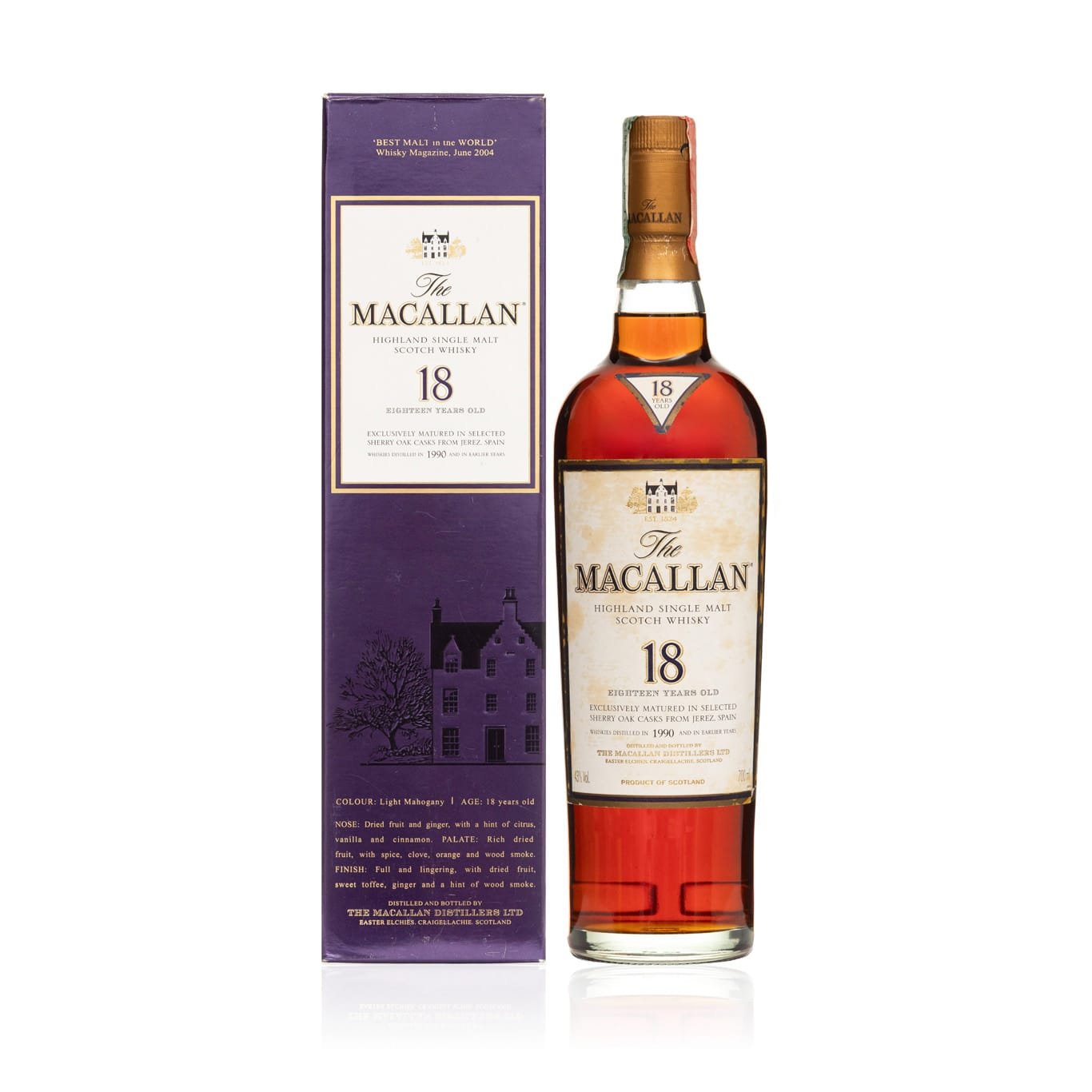
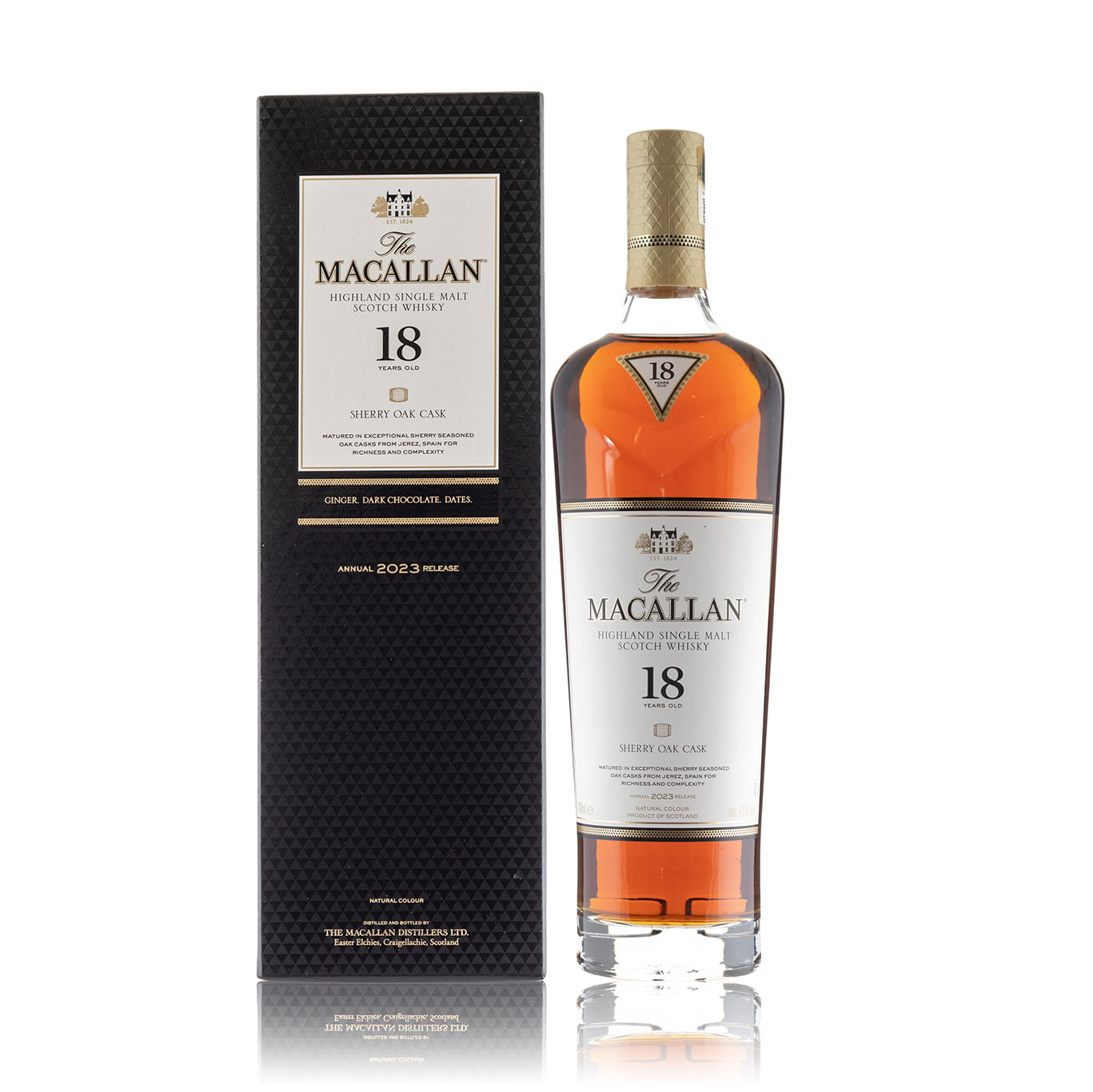
1. Macallan 18 Year Old Sherry Oak Whisky

Best for: Rich flavor & prestige

Macallan 18 Year Old Sherry Oak Whisky consistently ranks among the most celebrated Highland single malts, and for good reason. Matured exclusively in hand-picked sherry-seasoned oak casks from Jerez, this whisky delivers exceptional depth and complexity.

On the nose, it offers dried fruits, orange peel, and warm spice. The palate is luxuriously rich, with layers of raisin, dark chocolate, ginger, and oak. Its 18-year maturation brings balance and refinement, making it a benchmark for sherried Highland whisky.

While it sits at the premium end of the price spectrum, the quality, consistency, and aging justify the investment. In terms of flavor intensity and aging excellence, Macallan 18 is hard to surpass, though it is best suited for collectors or special occasions rather than everyday sipping.

Age: 18 Years
Value: Premium, best for connoisseurs


2. Glendronach 12 Year Old

Best for: Sherry character at accessible value

Glendronach has built a loyal following for its rich, sherry-forward style, and the 12 Year Old expression offers an excellent introduction. Matured in a combination of Pedro Ximénez and Oloroso sherry casks, it delivers remarkable depth for its age.

Expect aromas of sweet toffee, vanilla, and dried fruit, followed by flavors of spiced raisins, honey, and subtle oak. Compared to older sherried whiskies, Glendronach 12 strikes an impressive balance between sweetness and structure.

In terms of value, this whisky stands out. It delivers much of the richness associated with older Highland malts at a more approachable price point, making it a strong contender for those seeking flavor-driven whisky without the premium cost.

Age: 12 Years
Value: Excellent


3. Highland Park 2005 Single Cask 12 Year Old

Best for: Complexity and uniqueness

Although often associated with the Orkney Islands, Highland Park is officially classified within the Highland region. The 2005 Single Cask 12 Year Old showcases the distillery’s signature balance of gentle peat, honeyed sweetness, and spice, amplified by single-cask individuality.

This expression typically delivers notes of heather honey, citrus peel, light smoke, and warming oak. Being a single-cask release, each bottling offers unique nuances, making it particularly appealing to collectors and enthusiasts seeking something distinctive.

While the age statement is modest, the complexity rivals much older Highland Scotch whisky brands. Its value lies not in affordability but in exclusivity and character, rewarding drinkers who appreciate nuanced Highland expressions.

Age: 12 Years
Value: Strong for limited releases


4. Ardnamurchan

Best for: Modern Highland innovation

Ardnamurchan represents the new generation of Highland distilleries. Located on a remote peninsula, it combines traditional whisky-making methods with a strong focus on sustainability and transparency.

Flavor-wise, Ardnamurchan whiskies often offer fresh orchard fruit, citrus, coastal salinity, and subtle smoke. Despite relatively young age statements, the spirit shows maturity beyond its years thanks to careful cask selection and slow distillation.

In terms of value, Ardnamurchan shines. It offers contemporary Highland character at competitive pricing, making it ideal for whisky drinkers who want something fresh, authentic, and forward-thinking without sacrificing quality.

Age: Young but expressive
Value: Very good


5. Ardmore 8 Year Old

Best for: Smoky Highland value

Ardmore 8 Year Old delivers a distinct Highland style with noticeable peat influence, something less common in the region. This whisky balances smoky notes with honey, vanilla, and gentle spice, creating a profile that bridges Highland and Islay characteristics.

While its age statement is relatively young, the whisky remains well-structured and approachable. It’s an excellent option for drinkers who enjoy a touch of smoke without the intensity of heavily peated malts.

From a value perspective, Ardmore 8 Year Old is one of the most accessible whiskies on this list, offering a bold flavor profile at an affordable price. It’s a reliable everyday dram with character.

Age: 8 Years
Value: High


In The End

When ranking Highland Scotch whisky brands by flavor, age, and value, no single bottle fits every preference. Macallan 18 dominates in prestige and maturation, while Glendronach 12 delivers outstanding sherry influence at excellent value. Highland Park’s single-cask release offers complexity and individuality, Ardnamurchan represents modern Highland craftsmanship, and Ardmore 8 provides smoky appeal at an accessible price.

The true strength of Highland Scotch lies in its diversity. Whether you prioritize age, depth, innovation, or value, the region offers a whisky to match every palate and occasion.

What to Know Before Trying Johnnie Walker 21 Year Old

What to Know Before Trying Johnnie Walker 21 Year Old

Johnnie Walker 21 Year Old is not a whisky you “try” the way you try a new drink at a bar. It’s a whisky you approach. If this is your first time with a 21-year-old blend, a few smart choices can completely change how much you enjoy it. Here are practical, real-world things to remember before, during, and after your first glass.


1. Don’t Make It Your First Drink of the Night

Your palate matters more than you think. If you start with spicy food, beer, or a strong cocktail, you’ll blunt half the experience. Try Johnnie Walker 21 Year Old when your palate is clean, ideally as your first drink or after water. This lets you notice subtler flavors that older whiskies are known for.


2. Pour Less Than You Think You Need

A small pour is better than a full glass. Around 25–30 ml is enough. Older whisky isn’t about quantity; it’s about how long you can sit with it. A smaller pour keeps the alcohol from overwhelming your senses and makes it easier to focus on taste rather than strength.


3. Smell First, But Don’t Dive In

Bring the glass close, but don’t bury your nose in it. High alcohol content can numb your senses if you inhale too deeply. Take short, gentle sniffs. You’ll likely notice soft smoke, dried fruit, honey, oak, and a mild sweetness. This step alone can tell you a lot before the first sip.


4. The First Sip Is Not the Real Sip

The first sip is a warm-up. Take a tiny amount, let it coat your mouth, and swallow. This prepares your palate. The second and third sips are where the whisky starts to make sense. Many people judge premium whisky too quickly and miss what comes after that initial alcohol hit.


5. Neat First, Adjust Later

Always try it neat before making any changes. If it feels too intense, add two or three drops of water, not ice. Water opens up aromas without killing the structure. Ice, especially at the start, can flatten flavors that took 21 years to develop.


6. Pay Attention to Texture, Not Just Flavor

Older whiskies are about mouthfeel as much as taste. Notice how it feels, silky, oily, or creamy. It often has a smooth, layered texture that younger blends lack. This is one of the biggest differences age makes, and many first-time drinkers overlook it.


7. Don’t Expect Loud Smoke or Sweetness

If you’re expecting heavy smoke or bold sweetness, you may be disappointed. This whisky is subtle and balanced. The smoke is restrained, the sweetness controlled, and the oak well integrated. Think refinement, not intensity. Adjusting expectations helps you enjoy it for what it is.


8. Give It Time in the Glass

Let the whisky sit for 5–10 minutes before finishing it. Oxygen changes how it tastes. You may notice new notes appear, soft spice, vanilla, or deeper oak. Rushing through it denies you this evolution, which is one of the pleasures of an aged whisky.


9. Skip Pairing It With Strong Food

This is not a whisky for spicy snacks or heavy meals. If you must pair it, choose something neutral, plain dark chocolate, unsalted nuts, or even no food at all. Strong flavors compete with the whisky and drown out its finer points.


10. Don’t Overthink It, Just Observe

You don’t need tasting notes or expert vocabulary. Ask yourself simple questions:
Do I like it? Does it feel smooth? Does the flavor stay after I swallow?
Enjoyment matters more than analysis. The best whisky experience is one where curiosity replaces pressure.

Johnnie Walker 21 Year Old isn’t meant to impress you instantly. It reveals itself slowly, quietly, and with patience. Treat it less like a drink and more like a conversation, one that gets better the longer you listen. If you remember that, your first experience will feel worth the wait.

What Made Old Sherry Oak Whisky Famous?

What Made Old Sherry Oak Whisky Famous?

Whisky lovers around the world are often drawn to the rich, complex flavors of sherry cask-aged spirits. Among these, Old Sherry Oak whisky has earned a distinctive place on the shelves and in the hearts of enthusiasts. Known for its deep amber hues, smooth palate, and subtle hints of dried fruits and spice, it embodies both tradition and craftsmanship. But what exactly made it famous, and why has it captivated the attention of whisky connoisseurs globally? Let’s explore the journey of this remarkable spirit.


The Role of Traditional Distillers


This whisky owes much of its fame to the legendary distilleries that first embraced the technique of maturing whisky in sherry-seasoned oak casks. Sherry casks, originating from Spain, were initially used to age wines, primarily sherry, which imparted a unique flavor profile to the wood. When whisky makers began using these casks, the spirit absorbed rich notes of dried fruits, nuts, and spices, resulting in a taste that stood out from traditional bourbon-cask whiskies.


Several Scottish distilleries, particularly those in Speyside and the Highlands, played a pivotal role in popularizing Old Sherry Oak whisky. Their dedication to quality, patience in aging, and meticulous craftsmanship ensured that every bottle delivered a consistent and remarkable drinking experience. It was the careful blending of tradition and innovation that laid the foundation for the whisky’s fame.


The Influence of Whisky Connoisseurs


No whisky becomes famous without the recognition of enthusiasts and experts. Whisky writers, critics, and connoisseurs have long celebrated it for its unique character. Reviews in prominent publications and high ratings from whisky competitions helped elevate its status from a niche favorite to a globally recognized treasure.


Tasting events and whisky festivals have also contributed to its fame. By providing platforms where people can experience the intricate flavors firsthand, these events turned casual drinkers into loyal fans. Word-of-mouth recommendations and storytelling around the heritage and flavor notes further amplified its reputation.


Iconic Brands That Popularized It


While many distilleries produce sherry cask-aged whiskies, a few brands have become synonymous with the term Old Sherry Oak. One notable example is Macallan, which invested heavily in perfecting sherry cask maturation. Through years of experimentation and dedication to sourcing high-quality casks from Spain, these brands achieved a flavor profile that whisky lovers could immediately identify and cherish.


Marketing efforts also played a crucial role. By highlighting the rich heritage, traditional craftsmanship, and sensory experience, these brands positioned it as a premium choice for collectors and casual drinkers alike. Their strategic presence in global markets introduced the whisky to a wider audience, solidifying its fame.


The Appeal of Flavors and Aromas


Part of what made Old Sherry Oak whisky famous is its unforgettable taste. Unlike lighter whiskies, sherry-cask-aged versions offer layers of flavor that unfold with each sip. Notes of dried fruits like raisins and figs, hints of dark chocolate, and a subtle spicy finish create a multisensory experience. The smoothness and complexity appeal to seasoned whisky enthusiasts while remaining approachable for newcomers.


Its distinctive aroma is another factor in its popularity. Walking into a room where this whisky is being poured, one is greeted with rich, inviting scents that hint at the indulgence to come. This sensory allure has made it a favorite choice not just for drinking but for gifting and celebrating special occasions.


Cultural Influence and Media Exposure


Media exposure and cultural references have further amplified its fame. From features in lifestyle magazines to appearances in television shows and social media platforms, it has become a symbol of sophistication and refined taste. Whisky collectors and influencers often showcase limited editions and tasting sessions, creating a buzz that attracts both seasoned drinkers and new audiences eager to explore premium spirits.


Furthermore, pairing it with culinary experiences, such as fine dining or chocolate tasting, has expanded its appeal beyond traditional whisky circles. These experiences highlight the versatility and depth of flavor, reinforcing why this masterpiece is more than just a drink, it’s an experience.


So, What Made It Known?


The answer is multi-layered. It began with visionary distillers who embraced the sherry cask method, followed by passionate whisky connoisseurs who championed its unique flavor. Iconic brands refined and marketed the spirit to global audiences, while media exposure and cultural engagement cemented its status. Together, these elements created a legacy that celebrates both tradition and innovation.


Today, Old Sherry Oak whisky is recognized as a testament to craftsmanship and the allure of exceptional flavors. Its fame is a result of decades of dedication, a global community of enthusiasts, and a commitment to creating a whisky experience that lingers long after the last sip. Whether savored neat, shared with friends, or gifted to mark a special occasion, this masterpiece continues to captivate hearts and palates worldwide.

Your Cart

Cart is empty

0