


Ask someone whether they prefer Speyside whisky or Islay whisky, and you’ll usually get a tasting note in response—“smooth,” “smoky,” “sweet,” or “peaty.” But beneath those surface descriptions lies something more interesting. These two whisky styles don’t just represent regions. They represent different ways people experience flavor, memory, and even time.
This isn’t a story about old distilleries or famous founders. It’s about why these whiskies feel so different, and what the reasons are behind people’s preferences when choosing one of them.
Two Regions, Two Sensory Philosophies
Speyside whisky is often described as welcoming. Notes of honey, orchard fruit, vanilla, and gentle spice create an experience that unfolds gradually. It doesn’t demand attention, it earns it.
Islay whisky does the opposite. Smoke, iodine, sea spray, and intense peat announce themselves immediately. You don’t sip Islay quietly; you engage with it.
These contrasting styles reflect two sensory philosophies: one invites, the other challenges. And that difference shapes how drinkers interact with the whisky itself.
For drinkers drawn to Speyside’s softer profile, exploring fruit-forward and honeyed expressions can be a natural place to begin. Those curious about Islay often find that more balanced peat styles provide an accessible entry point without overwhelming the palate.
These small choices can shape whether a whisky feels instantly enjoyable or slowly revealing.
Comfort vs Confrontation in a Glass
Many people discover Speyside during moments of ease, celebrations, shared dinners, or quiet evenings. Its rounded profile makes it approachable, even for those new to Scotch. It feels familiar, even when tasted for the first time.
Islay often enters the picture differently. It’s usually recommended with a warning: “This one is smoky.” That warning changes expectations before the glass reaches the lips. The first sip can surprise, divide, or even repel. Yet for many, that initial shock becomes the beginning of fascination.
One style comforts. The other confronts. Neither is better, they simply ask different things from the drinker.
How Modern Drinkers Choose Their Side
Today’s whisky drinker isn’t necessarily chasing tradition. Many are guided by mood rather than loyalty to a region.
Speyside whisky fits moments of reflection, conversation, or slow appreciation. It pairs well with relaxed settings and unhurried time. Islay, on the other hand, often suits moments of intensity, late nights, bold meals, or times when the drink itself becomes the focus.
Modern whisky culture embraces this fluidity. People no longer choose one identity; they switch between them depending on the moment.
The Psychology of Smoke and Sweetness
Flavor preference isn’t random. Studies in sensory psychology suggest that people drawn to smoky, intense flavors often enjoy complexity and novelty. They’re comfortable with strong sensations and ambiguity.
Islay whisky taps directly into this preference. Its peat smoke and maritime notes challenge the brain, demanding attention with every sip.
Speyside appeals to a different sensory pathway. Sweetness and fruit notes activate comfort and familiarity. These flavors often trigger positive memories, making the experience feel reassuring and accessible.
Your preference might say less about whisky knowledge and more about how you process sensory information.
The Ritual Matters More Than the Bottle
Another overlooked difference between Speyside whisky and Islay whisky lies in how people drink them.
Speyside is often poured generously, shared easily, and enjoyed without ceremony. It adapts to the occasion. Ice, water, neat, it remains approachable.
Islay whisky, by contrast, encourages ritual. Smaller pours, deliberate nosing, and slower sipping are common. Drinkers often pause between sips, letting the smoke evolve.
These rituals shape the experience as much as the liquid itself.
When Boundaries Begin to Blur
Interestingly, the line between Speyside whisky and Islay whisky is becoming less rigid. Some Speyside expressions now experiment with peat. Meanwhile, certain Islay bottlings soften their smoke to highlight sweetness and balance.
This evolution reflects modern drinkers’ curiosity. Rather than choosing sides, many explore the space in between, where sweetness meets smoke, and familiarity meets surprise.
The future of whisky may lie in this overlap.
So Which One Should You Start With?
If you’re new to Scotch or returning after a long break, Speyside whisky often feels like an easy re-entry point. Its layered sweetness allows you to explore complexity without intensity.
If you’re seeking something that challenges expectations or pairs strongly with food and mood, Islay whisky can be deeply rewarding, especially when approached gradually.
Rather than committing to a region, consider starting with what fits your current moment. Curiosity, comfort, and context matter more than labels.
Choosing Whisky Based on the Moment, Not the Map
Instead of asking which region is “better,” a more interesting question is: What does this moment call for?
A long conversation with friends may lean toward Speyside whisky. A solitary evening or bold culinary pairing might invite Islay whisky. The beauty lies in having both options and understanding when each one shines.
Whether you lean toward Speyside’s elegance or Islay’s intensity, discovering the right bottle often depends on the moment. Our curated selection helps you explore both styles with confidence, without overwhelming the experience.
Final Thoughts
Speyside whisky and Islay whisky aren’t rivals in a historical contest. They’re two expressions of how flavor, environment, and human perception intersect.
One whispers. The other speaks loudly. One comforts. The other provokes.
In a world that often asks us to choose sides, whisky reminds us that preference can change, and that exploring contrast can be just as rewarding as honoring tradition.
Sometimes, the most interesting journey isn’t deciding which whisky you love more, but discovering why you love each one when you do.
Showing 1–21 of 138 resultsSorted by popularity
-
Sale!
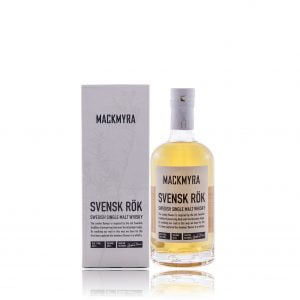
Mackmyra Svensk Rök
Original price was: £42.95.£39.95Current price is: £39.95. Add to cart -
Sale!
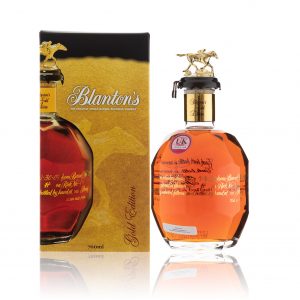
Blanton’s Gold Edition
Original price was: £170.00.£140.00Current price is: £140.00. Add to cart -
Sale!

Blue Spot 7 Year Old
Original price was: £235.00.£199.99Current price is: £199.99. Add to cart -
Sale!

Benromach Cask Strength Vintage 2009 Batch 4
Original price was: £60.00.£52.00Current price is: £52.00. Read more -
Sale!

Benromach Contrasts: Peat Smoke Sherry Cask 2012
Original price was: £45.95.£42.95Current price is: £42.95. Read more -
Sale!
Longrow 21 Year Old 2020
Original price was: £550.00.£499.99Current price is: £499.99. Add to cart -
Sale!
Macallan Speymalt 2005 Bottled 2019
Original price was: £199.99.£179.99Current price is: £179.99. Add to cart -
Sale!

Benromach Contrasts – Peat Smoke – 2009 11 year old Whisky
Original price was: £49.99.£39.99Current price is: £39.99. Add to cart -
Sale!
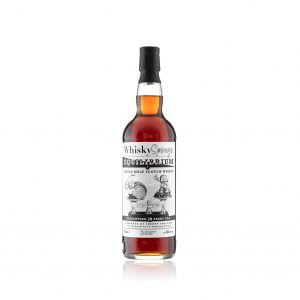
Equilibrium One 10 Year Old Whisky Sponge (Edradour)
Original price was: £170.00.£120.00Current price is: £120.00. Add to cart -
Sale!

Springbank Local Barley 10 Years – 2020
Original price was: £999.99.£799.99Current price is: £799.99. Add to cart -
Sale!

Macallan 12 Year Old Gran Reserva
Original price was: £1,450.00.£1,250.00Current price is: £1,250.00. Add to cart -
Sale!
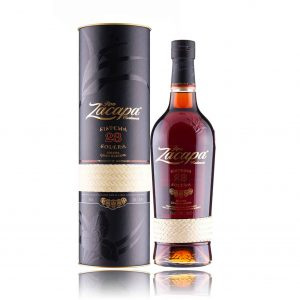
Ron Zacapa Centenario Sistema Solera 23
Original price was: £55.00.£45.00Current price is: £45.00. Read more -
Sale!
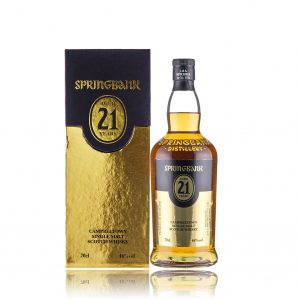
Springbank 21 Years Old 2018 Release
Original price was: £1,049.00.£899.99Current price is: £899.99. Add to cart -
Sale!

Glenallachie Discovery 14 Year Old
Original price was: £52.00.£49.99Current price is: £49.99. Add to cart -
Sale!

Ardbeg 8 Year Old For Discussion – Committee Release
Original price was: £155.00.£120.00Current price is: £120.00. Add to cart -
Sale!
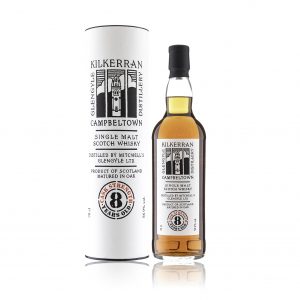
Kilkerran 8 Year Old Cask Strength Sherry Matured – 2021 Release – 56.9%
Original price was: £250.00.£199.99Current price is: £199.99. Add to cart -
Sale!
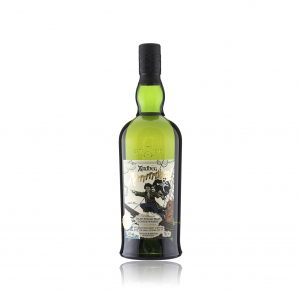
Ardbeg Arrrrrrrdbeg Committee Release 2021
Original price was: £250.00.£225.00Current price is: £225.00. Add to cart -
Sale!
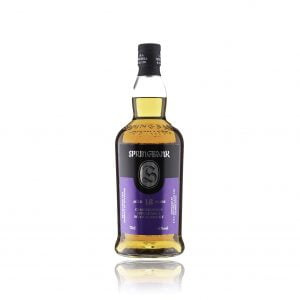
Springbank 18 Year Old 2020
Original price was: £499.99.£400.00Current price is: £400.00. Add to cart -
Sale!

Benromach Contrasts – Organic 2012
Original price was: £48.95.£42.56Current price is: £42.56. Add to cart -
Sale!
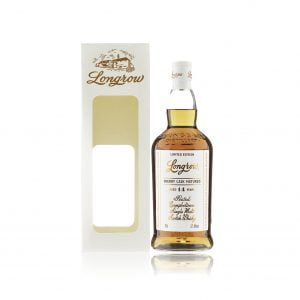
Longrow 14 Year Old Sherry Cask Matured – 2020
Original price was: £449.99.£400.00Current price is: £400.00. Add to cart -
Sale!
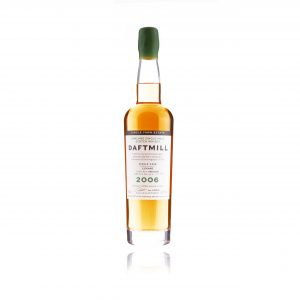
Daftmill 2006 Single Bourbon Cask #89 / Luvians
Original price was: £799.99.£699.99Current price is: £699.99. Read more



Recent Comments