
by HOS | Sep 26, 2025 | Blended Whisky, Specials, Whisky
There’s something magical about a drink that doesn’t just sit in your glass, but starts a conversation, a whisky that sparks curiosity, nostalgia, and reflection. For whisky enthusiasts and curious sippers alike, Filey Bay Yorkshire Day 2020 is that rare gem. Limited in production, rich in flavour, and infused with the spirit of Yorkshire, it’s a drink that transforms an ordinary evening into an extraordinary experience.
A Whisky That Invites Reflection
Pour a glass of Filey Bay Yorkshire Day 2020 and notice how it seems to demand attention. Its deep amber hue glows like a Yorkshire sunset, hinting at the care and time invested in its creation. With only 1,500 bottles released, this limited edition is a collector’s dream and an invitation to slow down and savour every moment.
It’s the kind of whisky that encourages thoughtful conversations, the ones that linger long after the glass is empty. As you take that first sip, layers of flavour unfold: sweet vanilla, rich toffee, dark chocolate, and ripe red fruits, complemented by subtle spice and a warming, long finish. Each sip is a journey, evoking the breezy cliffs of Filey Bay and the rugged charm of Yorkshire itself.
Types of Conversations That Flow
- The Nostalgic Story Swap
A glass of this whisky naturally brings out memories, childhood summers by the coast, old friends, and first adventures. Its comforting sweetness and complex layers make it the perfect companion for reminiscing, sharing stories that feel timeless yet vivid. - The Philosophical Debate
That balance of rich flavours and warming spice sets the stage for big questions: What defines happiness? How do we measure success? Over this rare drink, even the most abstract thoughts seem grounded, turning deep musings into shared moments of insight. - The Curious Explorer Chat
Every bottle tells a story. Where did the barrels come from? How did the sherry and bourbon casks shape the flavour? Conversations about craftsmanship, heritage, and local tradition come alive, fueled by the whisky’s rarity and the subtlety of its STR-cask finish. - The Gentle Comfort Discussion
Sometimes, it’s not about profound ideas but quiet, heartfelt exchanges. The warmth of this whisky, its honeyed notes, hints of plum, and soft vanilla- encourages reflection, empathy, and meaningful connections. It’s the perfect backdrop for sharing dreams, fears, or simple gratitude.
Why Filey Bay Yorkshire Day 2020 Is Unique
What makes this whisky special isn’t just its ability to spark conversation, it’s the rarity and craftsmanship behind it. Produced at the Spirit of Yorkshire Distillery in Hunmanby, near Filey Bay, it’s Yorkshire’s first single malt whisky distillery. Each bottle represents meticulous care: locally sourced barley, careful fermentation, and a marriage of PX sherry and ex-bourbon casks. The STR (Shaved, Toasted, Re-charred) cask finish adds depth, complexity, and a subtle smoky layer that sets it apart from ordinary releases.
The limited production of 1,500 bottles makes it an exclusive experience. Owning or sharing a bottle is not just about taste, it’s about being part of a rare moment, a story that’s as much about tradition and place as it is about flavour.
The Beauty of Savouring It
Holding a glass of Filey Bay Yorkshire Day 2020 is like holding a piece of Yorkshire itself. The deep amber colour, the aromatic bouquet of dark chocolate, plums, and vanilla, and the intricate balance of sweetness, spice, and warmth make it a multisensory experience. Each sip reveals new layers, encouraging mindfulness and presence, qualities that naturally lead to thoughtful, engaging conversations.
Whether you’re a whisky connoisseur or someone who enjoys the occasional tipple, this release reminds us that a drink can be more than liquid in a glass. It can be a catalyst for connection, reflection, and discovery.
by HOS | Sep 18, 2025 | Highland Whisky, Specials, Whisky
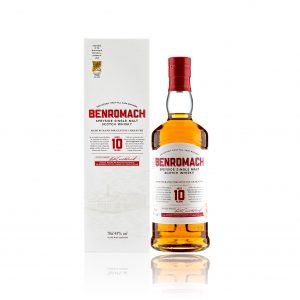
Whisky can feel like a world of its own, with a long history, unique flavors, and traditions that sometimes seem overwhelming to newcomers. When you’re stepping into this world for the first time, every sip matters, and so does the way you approach it. Among the many distilleries that carry Scotland’s heritage forward, Benromach holds a special place. If you’re planning to try it for the first time, there are a few simple but valuable tips that can make the experience much more rewarding.
You want to find out how to taste, enjoy, and appreciate your dram like a seasoned enthusiast, without getting lost in the jargon or pressure of knowing “everything” about whisky culture?
Let’s do that.
.
1. Prepare Your Palate
Before pouring a glass, think about what you’ve recently eaten or drunk. Strong flavors like spicy food, coffee, or overly sweet desserts can overpower subtle whisky notes. If possible, approach your first sip with a neutral palate. A glass of water beforehand helps reset your taste buds so you can fully experience the whisky’s character.
2. Choose the Right Glassware
The glass you use can significantly influence your experience. A tulip-shaped glass, such as a Glencairn or Copita, is ideal because it concentrates the aromas. Standard tumblers may look stylish, but they don’t allow you to capture the intricate scents that make whisky so fascinating. If you don’t own a specialized glass, even a small wine glass will serve better than a flat-bottom tumbler.
3. Observe Before You Sip
Whisky appreciation begins with the eyes. Hold your glass up to the light and notice the color. The golden hues tell a story of how long it’s been aged and the type of casks used. Swirl it gently and observe the “legs” or streaks forming on the glass; these can give you hints about the body and texture. Taking a moment to visually appreciate your whisky prepares your mind for the experience that follows.
4. Take in the Aroma Slowly
Your sense of smell is central to whisky tasting. Instead of immediately drinking, bring the glass to your nose and inhale gently. You may notice fruity, malty, smoky, or even nutty aromas depending on the expression. Don’t rush, give your senses time to adjust. For many enthusiasts, the nose is where half the enjoyment lies.
5. Add a Few Drops of Water
Purists may argue against it, but a small splash of water can unlock hidden flavors. It softens the alcohol burn and allows subtler notes to emerge. When trying Benromach for the first time, experiment with a few drops of water after your initial sip. You’ll notice how the flavor profile evolves, becoming more layered and approachable. Remember, it’s not about diluting, it’s about discovery.
6. Sip, Don’t Gulp
Notice the journey: the initial taste, the development of flavors in the middle, and the lingering finish. Pay attention to how the whisky warms your throat and chest. Whisky is meant to be savored, not rushed, so take your time to enjoy each stage.
7. Compare Notes with Food Pairings
Pairing whisky with food can deepen your appreciation. Rich cheeses, dark chocolate, or smoked meats often complement the flavors beautifully. For a lighter pairing, try dried fruits or roasted nuts. Experiment with different combinations to see how the whisky interacts with food, it’s a fun way to train your palate while making the tasting more memorable.
8. Understand the Heritage
When you sip whisky from a distillery with a storied past, you’re not just tasting a drink, you’re experiencing history. Benromach, for instance, is a Speyside distillery that emphasizes traditional methods, including hand-crafting and using smaller stills for greater flavor control. Knowing a little about where your whisky comes from enriches the experience and adds a sense of connection to each glass.
9. Keep Notes of Your Experience
Every whisky has its own personality, and keeping track of your impressions helps you remember what you enjoyed most. Write down the aromas, flavors, and sensations you noticed, along with whether you preferred it neat, with water, or alongside food. Over time, this habit sharpens your ability to identify characteristics and discover your personal preferences.
10. Share the Moment
Whisky is as much about community as it is about personal enjoyment. Invite a friend to share the experience, compare impressions, and learn from each other. Everyone’s palate picks up different notes, so discussing your observations can make the tasting far richer. Besides, whisky always seems to taste better when enjoyed in good company.
11. Don’t Overthink It
While whisky experts may dive into technical terms, you don’t need to memorize a flavor wheel to appreciate your dram. What matters most is your personal experience. If you detect hints of apple pie or toasted bread—even if no one else mentions it—that’s perfectly valid. Whisky tasting is subjective, and your perspective is just as valuable as anyone else’s.
12. Explore Different Expressions Later
If you enjoy your first encounter, consider exploring other releases from the same distillery. Each expression carries subtle differences depending on aging, cask type, and production style. With Benromach, for example, you’ll find variations that highlight smoky undertones, sherry cask richness, or fruit-forward profiles. Expanding your exploration over time deepens your understanding of both the brand and whisky as a whole.
A First Taste to Remember
Trying whisky for the first time should feel like an adventure, not a test. By preparing your palate, choosing the right glassware, and savoring each sip with intention, you’ll set yourself up for a truly enjoyable introduction. When it comes to Benromach, you’re not just trying a drink, you’re stepping into a tradition crafted with care, patience, and passion.
So, pour slowly, sip thoughtfully, and let the experience unfold one layer at a time. Whisky isn’t about rushing to the end of the glass, it’s about appreciating every stage of the journey.
Showing 136–150 of 462 results
by HOS | Sep 12, 2025 | Whisky, Scotch
When it comes to Scotch, few names are as revered as Highland Park Whisky. Produced in the Orkney Islands of Scotland, this single malt whisky is celebrated for its balanced flavors, rich history, and traditional methods of production. But before you can fully appreciate what makes Highland Park so extraordinary, you must first answer an essential question: What is malt?
Understanding malt isn’t just about knowing one step of the whisky-making process. It’s about recognizing the very foundation of flavor, aroma, and character that defines every dram of Highland Park. Without this understanding, you’re only scratching the surface of what makes this whisky legendary.
What is Malt?
Malt is a germinated cereal grain, most often barley, that has been dried to stop further sprouting. The malting process develops crucial enzymes that convert starches in the grain into fermentable sugars. These sugars later become alcohol during fermentation, making malt the backbone of whisky.
The malting process involves three essential stages:
- Steeping – Barley is soaked in water to awaken germination.
- Germination – The grain sprouts, activating natural enzymes.
- Kilning – Germination is halted by drying, sometimes using peat smoke, which adds distinctive flavors.
Malt contributes far more than alcohol, it delivers the body, depth, and character of whisky. Whether it’s sweetness, nuttiness, biscuit tones, or smoky undertones, malt defines the core flavor profile of Scotch.
Why Malt Matters Before Highland Park Whisky
If malt is the heart of whisky, then understanding it is essential before you can grasp what makes Highland Park Whisky so unique. This is because Highland Park’s identity is deeply tied to its malting traditions and use of peat from the Orkney Isles.

Highland Park is not just any single malt; it’s one that has safeguarded centuries-old practices to ensure its character remains consistent. Without appreciating malt, the subtleties of Highland Park, its gentle smokiness, honeyed sweetness, and floral heather notes, might be lost on you.
The Role of Malt in Whisky Production
When asking, “what is malt in whisky?”, the answer goes beyond an ingredient list. Malt is the reason Scotch whisky has its richness, complexity, and variety of flavor.
There are two main malt whisky types:
- Single Malt – Produced at one distillery using only malted barley and traditional pot stills.
- Blended Malt – A combination of malt whiskies from multiple distilleries.
Highland Park proudly belongs to the single malt category, which means its flavor is shaped entirely by its own malting process, fermentation, distillation, and maturation.
Highland Park Whisky: Tradition and Legacy
Founded in 1798, Highland Park has stood the test of time, becoming one of the most celebrated Scotch distilleries in the world. Located in the remote Orkney Islands, it benefits from unique resources and traditions that influence its whisky.
What Sets Highland Park Apart
- Hand-Turned Floor Malting
While many distilleries automate the malting process, Highland Park continues to hand-turn its barley on traditional malting floors. This dedication to craft ensures precision and authenticity. - Orkney Peat
Highland Park uses local peat rich in heather rather than wood. This produces a gentle smokiness with floral undertones, setting it apart from the heavy smoke of Islay whiskies. - Sherry-Seasoned Oak Casks
Much of Highland Park matures in casks seasoned with Spanish sherry, imparting rich flavors of dried fruit, spice, and sweetness. - Balance of Flavors
Highland Park has become known for balance—combining sweetness, smoke, fruit, and spice into a harmonious whole.
Tasting Highland Park Whisky
Once you understand what is malt, every sip of Highland Park makes more sense. Its flavors are not random; they’re the result of centuries of experience with malt and peat.
- Nose: Heather honey, dried fruit, hints of smoke.
- Palate: Sweet malt, subtle peat, sherry richness, and warm spice.
- Finish: Long, balanced, and gently smoky.
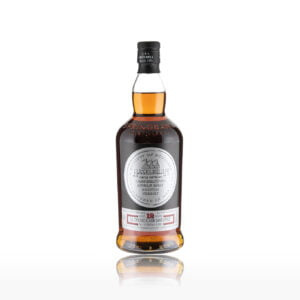
Popular expressions like Highland Park 12-Year-Old and 18-Year-Old showcase this balance beautifully, offering layers of complexity grounded in malt.
The Connection Between Malt and Highland Park
Malt isn’t just one part of Highland Park—it is the foundation of its very identity. The floor malting, the use of heather peat, and the emphasis on slow, careful production all highlight the centrality of malt.
To drink Highland Park without understanding malt is to miss the essence of its story. Every note of smoke, honey, and spice carries the journey of malted barley transformed into spirit.
Why Highland Park Stands Out
In a crowded whisky world, Highland Park continues to shine because of its dedication to malt and tradition. While many producers have modernized or cut corners, Highland Park still embraces heritage.
- Authenticity: Hand-turned malt and traditional practices.
- Unique Terroir: Orkney’s peat and climate create flavors found nowhere else.
- Consistency: Centuries of expertise ensure a reliable, world-class product.
This is why whisky enthusiasts and collectors alike hold Highland Park in such high regard.
Appreciating Highland Park Through Malt
When you sip Highland Park with an understanding of malt, you experience more than flavor, you connect with history and craftsmanship. Malt allows you to recognize the subtle balance of honey sweetness, floral heather, and gentle smoke that defines Highland Park.
It’s the difference between drinking whisky and truly appreciating it. Malt gives you the lens through which Highland Park’s artistry becomes clear.
Final Thoughts
So, why do you need to understand what is malt before knowing about Highland Park Whisky? Because malt is not just an ingredient, it’s the soul of the whisky. It shapes every layer of flavor, every aroma, and every sip.
Highland Park embodies what malt can achieve: a single malt Scotch that balances smoke, sweetness, and spice with remarkable finesse. Once you understand malt, Highland Park transforms from simply a whisky into a story of tradition, patience, and artistry.
If you want to appreciate one of Scotland’s finest single malts, start with the grain. Understand the malt, and you’ll understand Highland Park.
by HOS | Aug 25, 2025 | Springbank, Whisky
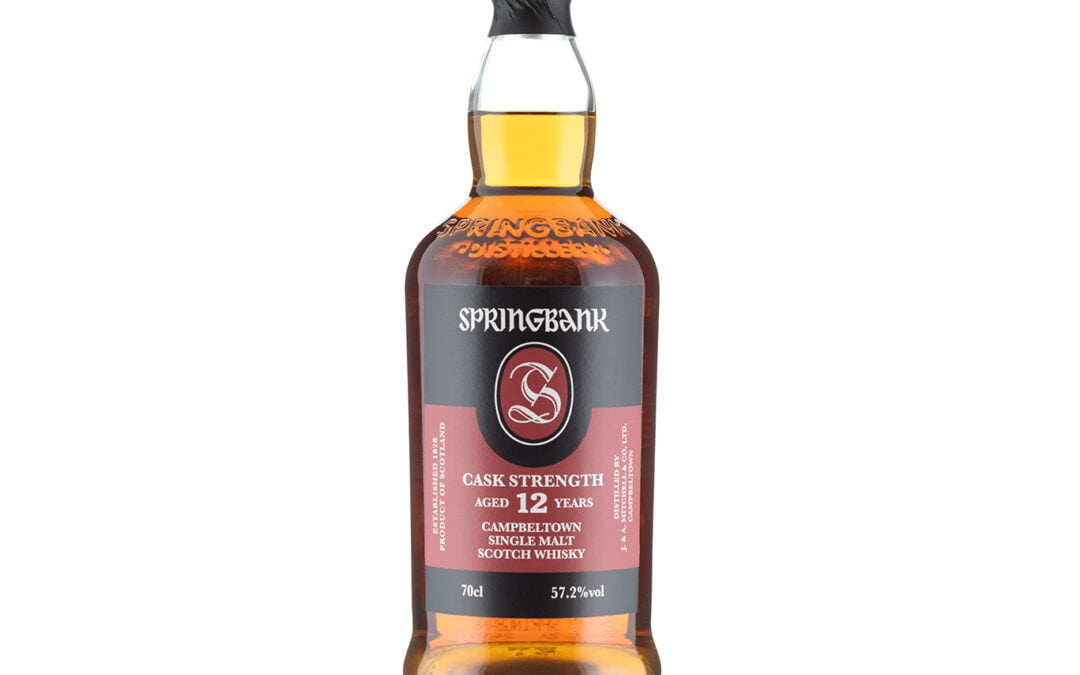
When whisky lovers talk about iconic drams, the name Springbank 12 Cask Strength almost always gets mentioned. It sparks curiosity and admiration alike. But why does this expression stand out? What makes it stand out among the countless other cask-strength releases on the market? Let’s explore the questions whisky lovers often ask, and uncover the answers that explain why this Campbeltown gem has become such a beloved favorite.
What exactly is Springbank 12 Cask Strength?
It is a small-batch single malt Scotch whisky produced by Springbank Distillery, located in Campbeltown, one of Scotland’s historic whisky regions. Unlike whiskies bottled at the standard 40–46% ABV, this expression is bottled at natural cask strength, often around 54–57%. That means it comes directly from the barrel with no dilution, offering whisky in its rawest and most intense form.
Why does cask strength matter?
The term “cask strength” isn’t just a marketing title or buzzword. It’s about experiencing whisky as close to its original state as possible. Bottling without dilution allows the spirit to retain its full power, complexity, and texture.
At cask strength, the whisky is completely concentrated and bold. But here’s the beauty: drinkers can choose how they enjoy it. Some prefer it neat for the unfiltered intensity. Others add a few drops of water to open up hidden layers of flavor. It’s customizable, interactive, and, most importantly, authentic.
What makes Springbank different from other distilleries?
Springbank holds a rare position in the whisky world because it is one of the few distilleries that controls every stage of production in-house. From floor malting the barley to distilling, maturing, and bottling, nothing is outsourced.
This level of craftsmanship is unusual today and ensures that Springbank whiskies, including the 12 Cask Strength, are unmistakably unique. They carry what enthusiasts often call the “Campbeltown character”, a briny, mineral, slightly funky quality that reflects both the region and the distillery’s traditional methods.
How does It taste?
While flavors vary slightly from batch to batch, the Springbank 12 Cask Strength is renowned for its depth and balance.
- On the nose, you often find sea salt, citrus, and vanilla, mingled with earthy peat smoke and rich malt.
- The palate delivers unforgettable richness with layers of dark chocolate, dried fruits, pepper, and oak. It is bold but never harsh.
- The finish lingers with spice, smoke, and a coastal tang, reminding you of its Campbeltown roots.
It’s the kind of whisky where you discover a newness with every sip. Add a splash of water, and entirely new notes, like honey, orchard fruits, or nuttiness, may reveal themselves.
Why do whisky collectors chase after this bottle?
Part of the allure lies in its limited nature. Springbank 12 Cask Strength is released in small batches, and each batch has slight variations depending on the casks used. Sometimes the emphasis leans toward sherry casks, bringing in richer, spicier flavors. Other times, bourbon casks dominate, highlighting fresher, citrus-driven notes.
For collectors, this means each release is a unique snapshot of Springbank’s artistry. Owning several batches is like owning different chapters of the same story.
Is it only for seasoned whisky drinkers?
Not necessarily. While the high ABV can be intimidating for beginners, the Springbank 12 is surprisingly approachable when treated with respect. Adding a bit of water not only softens the alcohol but also enhances the whisky’s complexity, making it accessible even to those new to cask-strength expressions.
In fact, trying Springbank 12 is an excellent way for newcomers to understand the difference between standard and cask-strength whiskies. It’s a hands-on lesson in flavor exploration.
How does it compare to whiskies from other regions?
Campbeltown whisky is distinct. Unlike Speyside whiskies, which often lean toward fruity sweetness, or Islay whiskies, dominated by heavy peat, Springbank occupies a fascinating middle ground. Its flavors are earthy and oily with just the right touch of smokey flavour.
This balance makes the 12 Cask Strength a standout. It’s neither overly sweet nor overwhelmingly smoky, it sits comfortably in between, offering complexity that appeals to a wide spectrum of whisky fans.
Can you pair it with food?
Absolutely. Its bold character makes it a natural companion to robust flavors. Think smoked salmon, rich cheeses, dark chocolate, or even barbecued meats. These pairings highlight its smoky, salty, and spicy qualities while balancing its richness.
Of course, many purists prefer to savor it alone, allowing the whisky’s layers to unfold slowly without distraction. But for those who enjoy whisky with meals, it offers exciting possibilities.
Why is it considered good value?
In today’s whisky market, many limited-edition cask-strength bottles come with inflated price tags. Springbank 12 Cask Strength, while not inexpensive, is often praised for offering exceptional quality at a fair price. Considering the craftsmanship, tradition, and intensity packed into every bottle, it consistently ranks as one of the best-value cask-strength whiskies available.
Final Question: Is it worth seeking out?
The answer is a resounding yes. The Springbank 12 Cask Strength is more than just another whisky, it’s an experience. It tells the story of one of Scotland’s most historic distilleries, reflects the unique identity of Campbeltown, and delivers a tasting journey that evolves with every sip.
Whether you’re a seasoned collector, an adventurous newcomer, or simply someone who appreciates authenticity, this bottle deserves a place on your shelf. It isn’t just whisky in a glass, it’s history, craft, and character bottled at its purest strength.
by HOS | Aug 5, 2025 | Whisky
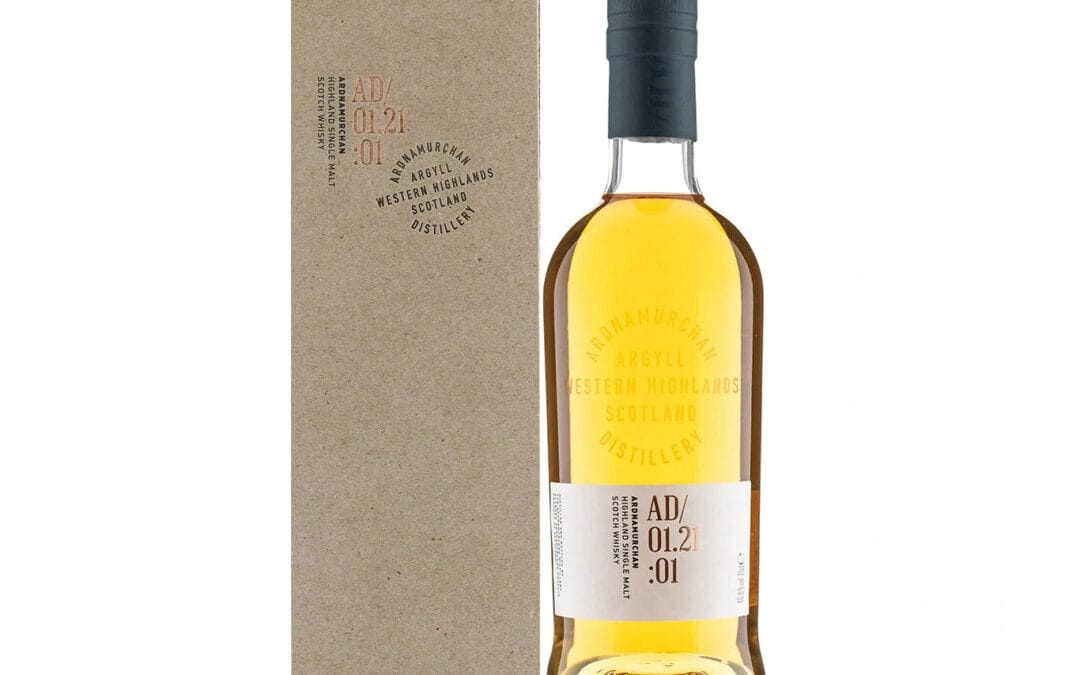
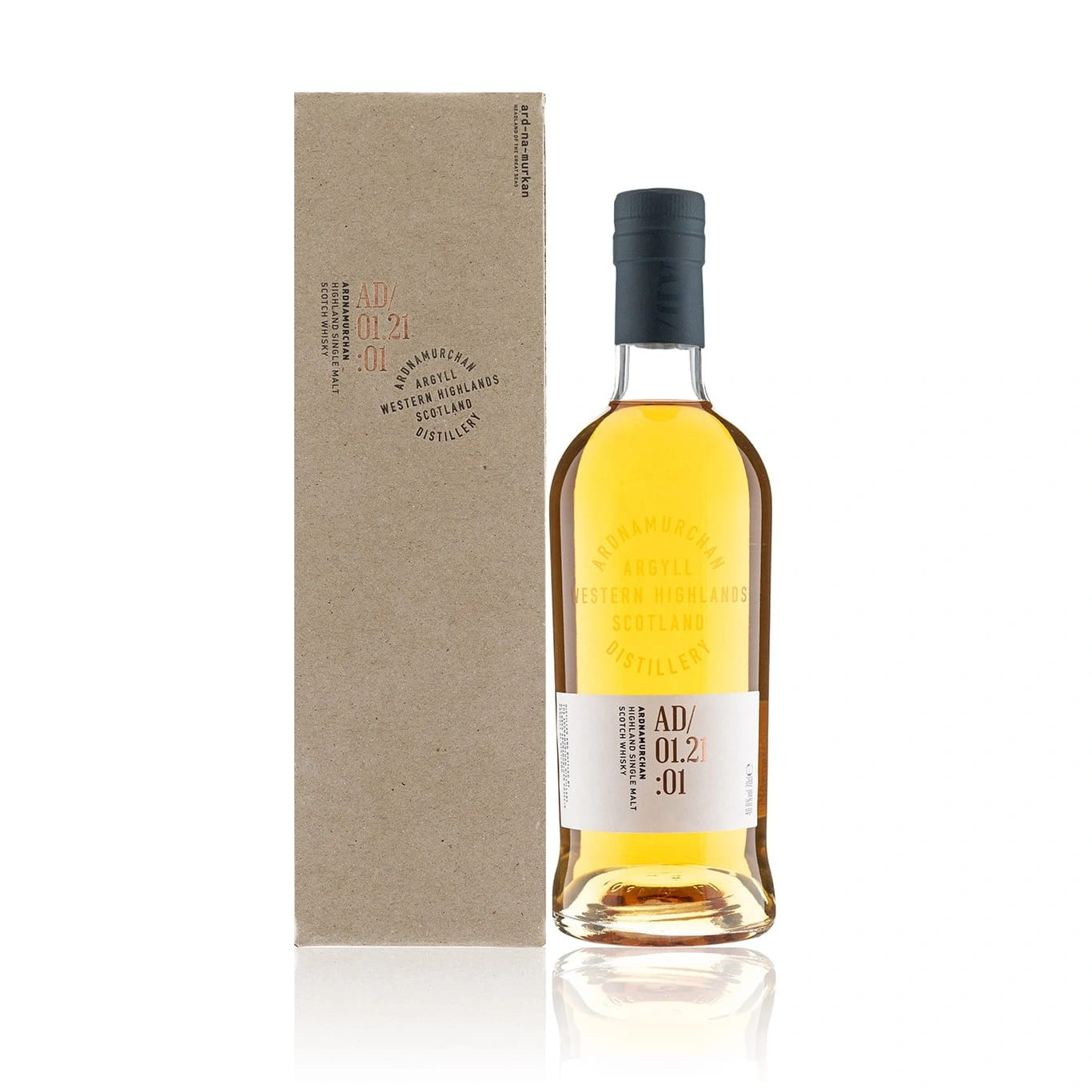
When whisky enthusiasts speak of the Scottish Highlands, the usual names, Speyside, Islay, and Skye, often dominate the conversation. But in recent years, a quieter, more remote corner of the Highlands has begun to draw attention: Ardnamurchan Highland. This secluded peninsula, the westernmost part of the British mainland, is fast becoming recognized for its whisky identity, a bold yet refined representation of Highland spirit with a coastal influence.
Let’s Begin An Unforgettable Journey
The phrase “Ardnamurchan Highland” doesn’t just describe a geographical location, it speaks to a particular style of Scotch whisky. It captures the rugged wilderness, clean air, sea-salted winds, and ancient Highland character that define this remote corner of Scotland. The whiskies associated with this region are increasingly known for their balance of traditional Highland richness with subtle maritime elements and natural earthiness.
Here are the key features that distinguish it:
1. A Marriage of Highland and Coastal Characteristics
Whiskies from this region represent a meeting point of two classic Scotch profiles. They carry the warm, honeyed, and fruity nature of the Highland malts but also introduce a gentle sea breeze, a coastal minerality, and subtle brine that comes from proximity to the Atlantic Ocean.
This makes for a balanced profile:
- Fruity notes – green apple, citrus peel, and orchard fruits
- Malty sweetness – biscuity and honeyed
- Slight salinity – reminiscent of coastal air and sea spray
- Gentle peat smoke – earthy rather than medicinal
2. Moderate Peat and Natural Elegance
Unlike the bold peat blasts of Islay whiskies, whiskies of this region tend to use peat with restraint. Peat levels are typically in the 10–15 ppm (parts per million) range, enough to provide a warming smokiness, but not so much as to overpower the whisky’s other elements.
This makes them approachable to a wider audience. Even whisky drinkers who shy away from smoky expressions often find Ardnamurchan Highland drams accessible and enjoyable.
The peat adds texture and earthiness, complementing the whisky’s fruit-forward core and enhancing its depth rather than dominating the palate.
3. A Reflection of Environment
What sets Ardnamurchan whiskies apart is how terroir, or “sense of place,” shines through. The region is rich in volcanic soil, ancient oak woodlands, and abundant natural water sources. These natural elements are more than just scenic, they influence the whisky’s flavor profile.
Rainwater filtered through ancient rock, air filled with sea mist, and even the aging warehouses built near the coast, everything contributes to a whisky that tastes like the land it comes from.
When you sip it, you’re not just drinking a spirit, you’re experiencing the wild western Highlands in a glass.
4. Age Isn’t Everything
One of the misconceptions about whisky is that older always means better. The Ardnamurchan Highland style has helped challenge that notion.
Even younger expressions, those aged 5 to 8 years, can exhibit remarkable complexity. Thanks to careful cask management (typically a mix of ex-bourbon and ex-sherry casks), cool maritime climate, and small-batch production, the whiskies develop flavor quickly and maintain a freshness that older whiskies sometimes lose.
This modern Highland style embraces youthful vibrancy while offering the depth and nuance of much older drams.
5. Perfect for Food Pairing
The clean, balanced nature of this whisky makes it ideal for food pairing. Whether sipped alongside seafood, Highland venison, or artisanal cheeses, these whiskies complement rather than clash.
Some ideal pairings include:
- Oysters or smoked salmon – the slight salinity in the whisky echoes the flavor of the sea
- Dark chocolate or caramel desserts – complement the vanilla and toffee elements in the cask influence
- This versatility has made it a favorite at whisky-pairing dinners and tasting events around the world.
6. Growing Reputation Among Collectors and Connoisseurs
As word spreads about the uniqueness of Ardnamurchan whisky, its popularity is growing among collectors and whisky clubs. Limited editions and single cask releases are often snapped up quickly due to their distinctive profile, authentic craftsmanship, and the region’s emerging prestige.
It’s not just hype, Ardnamurchan Highland whiskies are increasingly featured in international awards and are praised for their balance of innovation and tradition.
The Future of Highland Whisky Has a Western Accent
The rise of the Ardnamurchan Highland style marks a turning point in the modern whisky landscape. It reminds us that Scotland’s whisky story isn’t confined to famous names and well-worn trails. Sometimes, the most exciting developments come from the quiet corners, the places where nature still rules and tradition is respected.
Whether you’re a seasoned connoisseur or a curious newcomer, exploring Ardnamurchan whisky is like uncovering a hidden gem: full of character, quietly confident, and deeply satisfying.
Next time you’re searching for something truly Highland but with a coastal soul, look west to Ardnamurchan.
by HOS | Jul 18, 2025 | Specials, Whisky
In the heart of Kentucky, where limestone-filtered water meets centuries-old distilling traditions, a legendary bourbon, none other than Old Rip Van Winkle, quietly claims its place in the pantheon of American whiskey. It has become a symbol of craftsmanship and prestige. We’re talking about a bourbon that collectors chase, connoisseurs savor, and bartenders revere.
This spirit isn’t just aged in barrels, it’s aged in legacy. Its name evokes stories of family heritage, limited releases, and liquid gold. And while many whiskeys are made, only a few are born into legend.
Flavor that Tells a Story
What makes this bourbon so unforgettable? It’s the distinct use of wheat instead of rye in the mash bill. This small change produces a smoother, softer profile, allowing subtle flavors to shine. Expect notes of caramel, toasted oak, vanilla, and spice, layered over a warm, full-bodied finish.
Among the various expressions in the Van Winkle family, one in particular stands out, not just for its flavor, but for its accessibility. The Old Rip Van Winkle 10-Year is often seen as the “starter” bottle for those venturing into this storied lineup. It’s bold and rich taste, giving it a kick without overwhelming and complex flavour.

Why Everyone Wants a Bottle
The world of whiskey has changed dramatically in the last two decades. What used to be a modest collector’s interest has exploded into a full-blown frenzy. Annual releases from top distilleries now sell out within minutes, and the resale market has seen bottles fetch thousands of dollars.
At the center of this frenzy is Old Rip Van Winkle. While it doesn’t command the same price tags as its older siblings like the 15, 20, or 23-Year Pappy expressions, it’s still incredibly hard to find. Part of the allure is its rarity, only a limited number of bottles are released each year, and distribution is tightly controlled.
This scarcity has transformed the bottle into a status symbol. Even spotting one on a shelf is an event. For many, securing a bottle is less about the drink and more about the achievement.
Pop Culture and Prestige
Bourbon has always had a place in American history, but its modern-day resurgence owes a lot to pop culture. In recent years, celebrities, chefs, and media personalities have praised the Van Winkle brand, adding fuel to its already roaring fire.
From luxury tasting events to prime-time television appearances, this whisky and its older siblings have become shorthand for bourbon excellence. It’s been name-dropped in movies, music, and magazines, often with reverence and awe.
But beyond the hype lies a genuine appreciation for quality. Unlike some spirits that rely solely on branding, this bourbon continues to deliver on its promise, exceptional taste rooted in authenticity.
Should You Try It?
For the lucky few who land a bottle at retail, the answer is obvious, absolutely. At its suggested price, it offers one of the best values in the high-end bourbon market. The balance of flavor, strength, and smoothness makes it a standout, especially for those who appreciate wheated bourbon profiles.
However, buying on the secondary market requires careful consideration. With prices skyrocketing and counterfeits circulating, it’s important to buy from reputable sources and manage expectations. After all, great bourbon should be enjoyed, not just admired.
Final Thoughts
In a world full of fast trends and fleeting fame, some things earn their place through patience, quality, and legacy. That’s what makes Old Rip Van Winkle special. It’s not just about being rare, it’s about being remarkable.
Whether you’re a seasoned whiskey collector or someone just beginning to explore the world of bourbon, this bottle serves as a reminder of what can be achieved when tradition is honored and excellence is pursued without compromise.
So if you ever find yourself with a glass of this golden spirit in hand, take a moment to savor more than just flavor. Savor the story. Savor the craftsmanship. And most importantly, savor the experience.













Recent Comments