

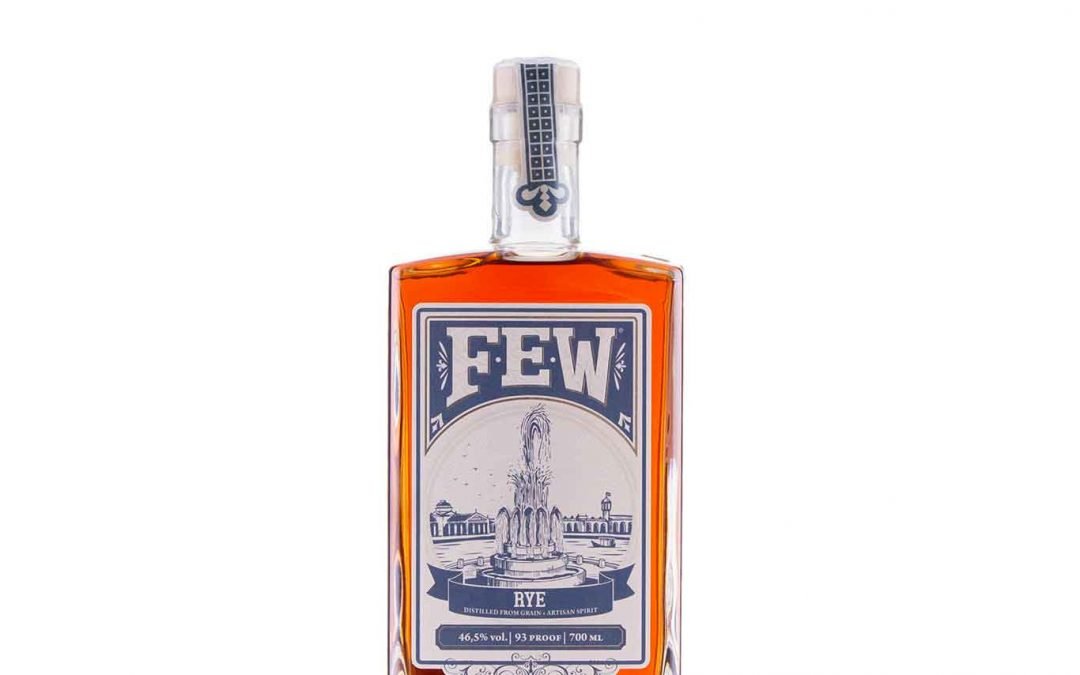
For anyone beginning to explore American whiskey, there is no shortage of styles, flavors, and traditions to discover. Bourbon may be the most famous American whiskey, but another style offers a distinctly bold and spicy character. Rye Whiskey has earned a reputation for its peppery flavor, dry finish, and versatility in both classic cocktails and modern pours.
Whether you’re completely new to whiskey or simply curious about what makes Rye different, understanding its ingredients, production, flavor profile, and history is a great place to start. If you want to explore how Rye fits into the wider world of whisky, our complete guide to whisky types covers the major styles, from bourbon and Scotch to Irish, Japanese, Canadian, and Rye whiskey.
What Is Rye Whiskey?
At its simplest, Rye Whiskey is an American whiskey made with a mash bill containing at least 51% Rye grain. The remaining grains can include corn, malted barley, or other permitted grains.
That high percentage of Rye is what gives the spirit much of its recognizable personality. Compared with many bourbons, rye-based whiskey tends to be spicier, drier, and sometimes more herbal.
However, not every bottle tastes the same. The exact mash bill, aging process, barrel characteristics, distillation methods, and length of maturation all influence the finished spirit.
How Is It Different From Bourbon?
The biggest difference comes down to the primary grain.
Bourbon must contain at least 51% corn, while American Rye whiskey must contain at least 51% rye. Corn generally contributes sweetness and a fuller, rounder character, whereas Rye often brings spice and complexity.
This doesn’t mean that every Rye will taste aggressively spicy. Some are surprisingly smooth and approachable, with notes of caramel, vanilla, fruit, baking spices, and oak.
The contrast becomes especially noticeable when tasting bourbon and Rye side by side.
A Brief History of Rye
Rye has deep roots in American whiskey production. European settlers brought rye-growing traditions to North America, and the grain became particularly important in regions where it grew well.
Pennsylvania and Maryland became associated with Rye whiskey production before Prohibition severely disrupted the American spirits industry. Many historic distilleries disappeared, and Rye lost some of its prominence.
In recent decades, however, interest in classic American whiskey styles has helped bring Rye back into the spotlight. Today, producers across the United States make expressions ranging from traditional styles to innovative interpretations.
What Does It Taste Like?
Flavor is one of the most appealing aspects of Rye Whiskey.
Common tasting notes include black pepper, cinnamon, clove, baking spices, toasted grain, caramel, vanilla, and oak. Some expressions can also show fruity or floral characteristics.
You may notice a lively sensation across the palate, followed by a relatively dry and warming finish. Younger Rye can emphasize grain and spice, while longer-aged versions may develop richer oak, caramel, and vanilla flavors.
The best way to understand the differences is to taste several expressions rather than relying only on descriptions.
Straight Rye vs. Blended Styles
Not all Rye whiskey is presented in exactly the same way.
Straight one generally refers to whiskey meeting specific production and aging requirements under U.S. regulations. Blended products may combine different whiskey components or include other permitted spirits depending on how they are classified.
For beginners, the important thing is to read the label carefully. Terms such as “straight,” age statements, proof, and production details can provide useful clues about what you’re buying.
Why Aging Matters
Barrel aging has a major influence on American whiskey.
After distillation, whiskey is typically matured in new, charred oak barrels. Over time, the spirit interacts with the wood, extracting flavors and developing greater complexity.
Barrel aging can contribute notes of vanilla, caramel, toasted oak, spice, and dried fruit. The environment where the whiskey ages also matters because temperature changes influence how the spirit moves in and out of the wood.
Age alone doesn’t guarantee quality. A well-made younger whiskey can be more enjoyable than an older expression that has become overly dominated by oak.
Understanding Proof
Proof tells you how much alcohol is present in a bottle. In the United States, proof is twice the alcohol-by-volume percentage.
For example, a whiskey labeled 100 proof contains 50% alcohol by volume.
Higher-proof expressions can deliver stronger flavors and more heat, while lower-proof bottles may feel softer and easier for beginners. There is no universally best proof. Personal preference plays a major role.
If you’re new to whiskey, starting with a moderate-proof bottle can make it easier to identify individual flavors.
How Should Beginners Drink It?
There is no single correct way to enjoy Rye Whiskey.
Trying it neat is useful if you want to experience its natural aroma, flavor, and finish. Add a few drops of water if the alcohol feels too strong. Water can sometimes open up additional aromas and make certain flavors easier to identify.
You can also serve it over ice. As the ice melts, the drink becomes gradually diluted and chilled, creating a different tasting experience.
For beginners, experimenting with neat, water, and ice can help reveal which style you prefer.
Rye in Classic Cocktails
Rye has played an important role in American cocktail culture.
Its spicy character makes it particularly effective in cocktails where the whiskey needs to stand out. Classic drinks such as the Manhattan and Sazerac have strong connections to rye.
Rye can also work well with ingredients such as bitters, sweet vermouth, citrus, and sugar. Its natural spice provides structure, preventing cocktails from becoming overly sweet.
This versatility is one reason bartenders continue to value the spirit.
How to Choose Your First Bottle
Choosing your first bottle doesn’t have to be complicated.
Start by deciding whether you want something smooth and approachable or bold and spicy. Look at the proof, age statement, mash bill information when available, and tasting notes provided by the producer.
You can also ask a knowledgeable retailer or bartender for recommendations. Trying whiskey at a tasting is another excellent way to compare different bottles without committing to a full-size purchase.
Remember that price isn’t always an indicator of personal enjoyment. Your ideal bottle is the one that matches your palate.
Food Pairings to Try
The bold character of Rye Whiskey makes it a good companion for flavorful foods.
Consider pairing it with smoked meats, grilled dishes, aged cheeses, dark chocolate, roasted nuts, or desserts featuring caramel and spices. The whiskey’s peppery character can cut through rich foods, while its oak and caramel notes complement sweet or savory flavors.
Experimenting with different combinations can make whiskey tasting even more interesting.
Final Thoughts
For beginners, Rye Whiskey offers an exciting introduction to the more robust side of American whiskey. Its combination of spice, oak, sweetness, and warmth creates a distinctive drinking experience that works equally well neat, over ice, or in cocktails.
The key to exploring it is curiosity. Taste different bottles, compare mash bills and proofs, experiment with serving styles, and pay attention to how flavors develop from the first sip to the finish.
You don’t need to be a whiskey expert to appreciate the spirit. Start with an approachable bottle, take your time, and let your palate guide the journey.



Recent Comments