
by HOS | Jul 10, 2026 | Highland Whisky
Ask any Scotch drinker to name their favorite region, and there’s a good chance Highland whisky comes up first. It’s not hard to see why. The Highlands cover more ground than any other whisky-producing area in Scotland, stretching from the windswept coast to the edge of the Cairngorms, and that sheer size means the whisky made there refuses to sit in one neat box. If you’ve ever wondered why one Highland dram tastes like honeyed fruit and another leans smoky and coastal, this guide will walk you through what makes the region tick, how the whisky is made, and how to choose a bottle you’ll genuinely enjoy.
What Makes a Whisky “Highland”?
Technically, any single malt Scotch produced within the Highland boundary — one of Scotland’s five official whisky regions — earns the label. But that boundary is enormous, running from just north of Glasgow all the way up to the northern coast, and looping around to include parts of the east and west as well. Because of that scale, “Highland whisky” isn’t really one style. It’s an umbrella covering distilleries with wildly different climates, water sources, and traditions.
That’s actually the region’s biggest strength. Where Speyside built its reputation on a fairly consistent, fruit-forward house style, and Islay became famous for peat smoke, the Highlands never settled into a single identity. Distillers here have had the freedom to experiment, which is part of why the region produces some of the most diverse whisky in Scotland.
The Flavor Spectrum: East, West, and North
Understanding Highland whisky gets much easier once you break it down geographically.
Eastern Highland distilleries, closer to Speyside, tend to produce lighter, more elegant whiskies with notes of honey, orchard fruit, and a gentle maltiness. These are often a great entry point if you’re new to single malts.
Western Highland whiskies frequently pick up a touch of coastal character — sea air, brine, sometimes a whisper of peat — thanks to their proximity to the Atlantic and the sea lochs that dot the coastline.
Northern Highland malts often sit somewhere in between: robust and full-bodied, with warming spice, dried fruit, and occasionally a light smokiness that never overwhelms the whisky’s core sweetness.
This range is exactly why Highland whisky rewards exploration. You could spend years working through the region and still find new flavor combinations you haven’t tasted before.
How Highland Whisky Is Made
The production process follows the same broad steps as any single malt Scotch — malting barley, mashing, fermenting, double distilling in copper pot stills, then aging in oak casks for a minimum of three years, though most Highland whiskies rest considerably longer. What sets the region apart is everything around that process: the water drawn from Highland lochs and streams, the local climate that shapes how the spirit matures in the cask, and the individual quirks each distillery brings to its stills and warehouses.
Cask choice plays an especially big role in Highland whisky’s character. Ex-bourbon casks tend to bring out vanilla and light citrus, while ex-sherry casks contribute deeper notes of dried fruit, chocolate, and spice. Many distilleries use a combination of both, or finish their whisky in a second cask type for the final stretch of maturation, adding another layer of complexity.
Why Highland Whisky Is a Great Choice
If you’re building out a home bar or just starting to explore single malts, Highland whisky is one of the smartest places to begin. Its sheer variety means there’s genuinely something for everyone — whether you prefer something light and floral, rich and sherried, or lightly smoky. It also tends to be versatile at the table, pairing well with everything from smoked salmon to dark chocolate, and it holds its own in classic whisky cocktails without being wasted on ice and soda.
One of the most iconic names to explore here is Highland Park, based on Orkney at the very northern edge of the region. Known for balancing honeyed sweetness with gentle smoke and heather notes, it’s a great example of just how much character a single Highland distillery can pack into a bottle — you can browse the full range on our Highland Park collection page.
How to Taste It
Pour a measure into a tulip-shaped glass and give it a minute before your first sip — this lets the aromas open up. Nose it gently, then taste, letting the whisky rest on your palate rather than swallowing immediately. Notice how the flavor shifts from the first sip to the finish; a well-aged Highland malt often reveals new notes the longer it sits in the glass. A small splash of water can help release additional aroma without diluting the experience.
Choosing Your Bottle
Because the Highlands cover so much stylistic ground, it helps to think about what you already enjoy before buying. If you like fruity, easy-drinking whiskies, look toward the eastern distilleries. If you’re drawn to something with a bit of coastal edge or gentle smoke, western and northern expressions are worth exploring. And if you’re still finding your footing with Scotch more broadly, our Scotch Whisky Guide breaks down every region, cask type, and buying tip you’ll need to shop with confidence.
Final Thoughts
Highland whisky doesn’t ask you to commit to one flavor profile — it hands you an entire spectrum and lets you find your own favorite corner of it. That diversity, paired with centuries of distilling tradition, is exactly what keeps whisky lovers coming back to the region again and again. Wherever you land on the map, there’s a Highland dram waiting to become your new go-to.
by HOS | Jul 23, 2025 | Highland Whisky
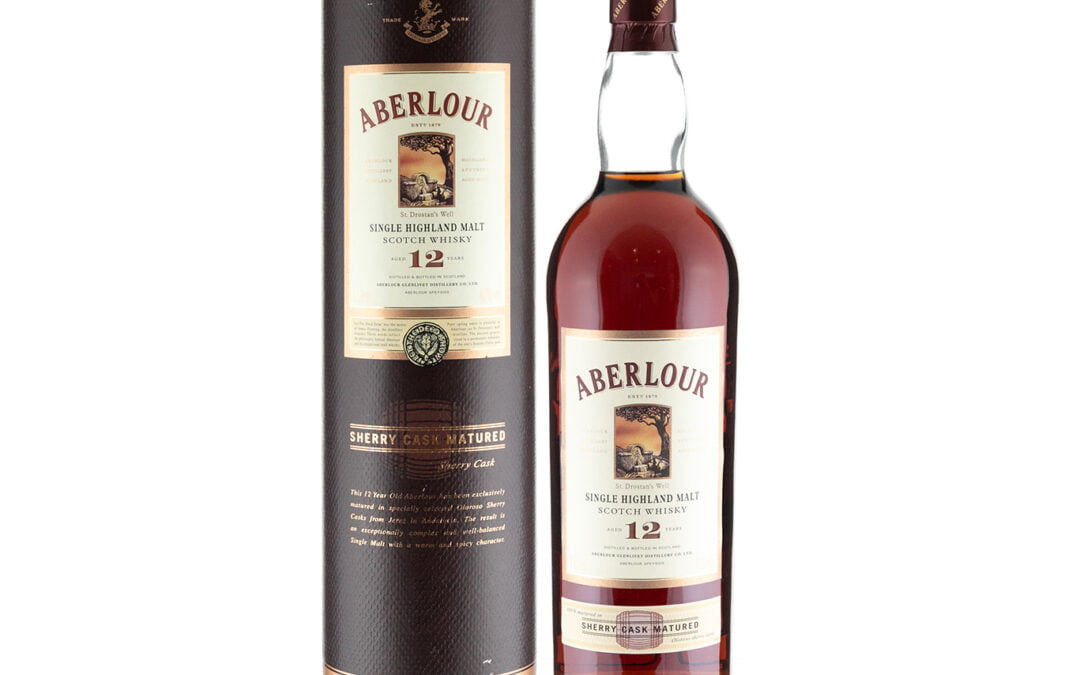
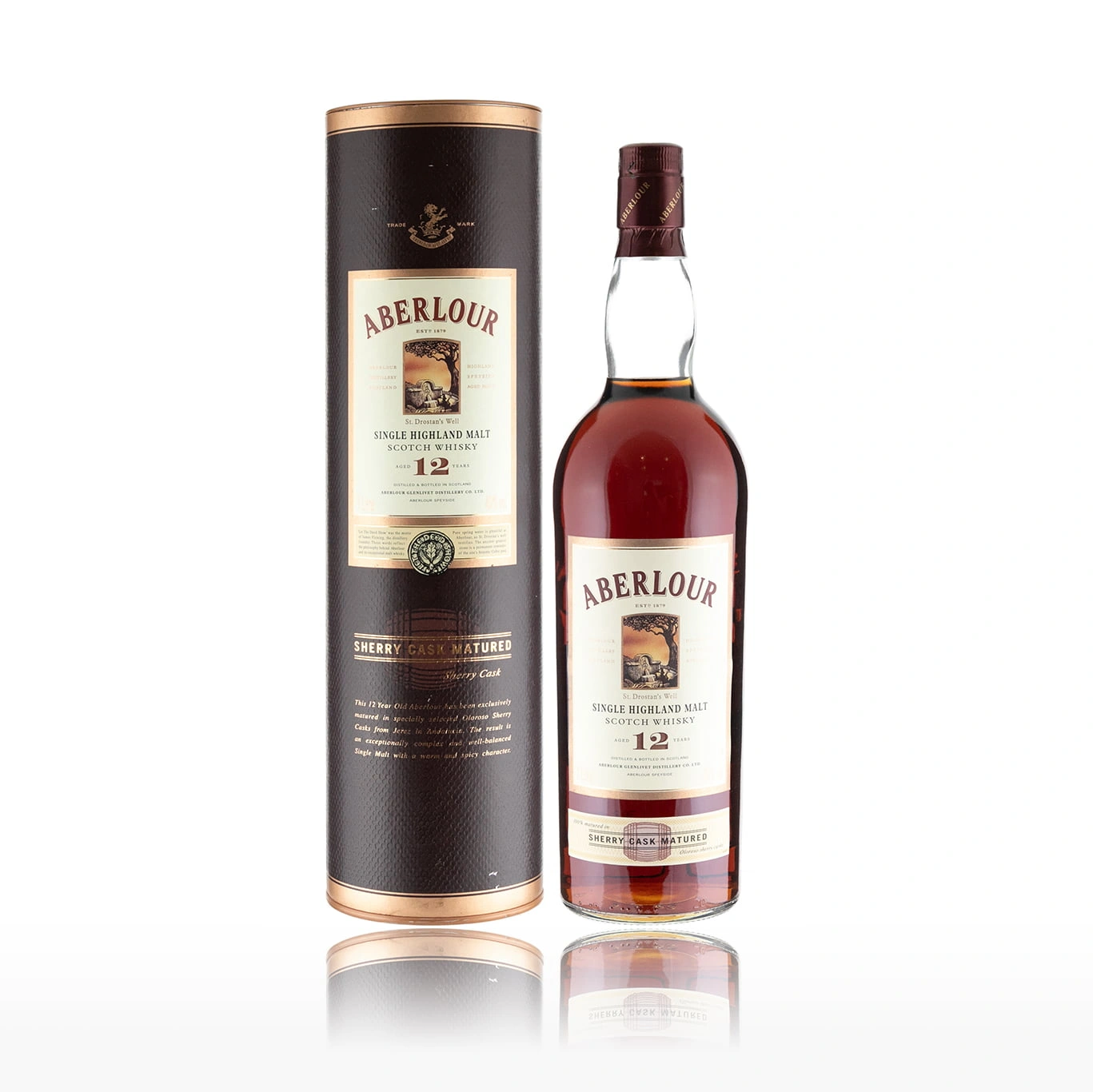
Let’s face it, whisky has evolved. It’s no longer just something your granddad sipped in silence by the fire. Today, it’s for rooftop lounges, weekend wind-downs, cozy date nights, and those “I deserve this” solo moments. And if there’s one bottle that blends classic craft legacy with modern taste, it’s none other than Aberlour Single Malt 12.
This is not just another Scotch. It’s a double-cask matured, rich-yet-approachable spirit that feels just as good in a Glencairn glass as it does in a bold, flavor-forward cocktail. So whether you’re a neat-pour purist or a highball fan, read on, because Aberlour 12 might just be your new go-to.
The Flavor Profile That Gets People Talking
So what makes Aberlour Single Malt 12 stand out? Two words: balance and depth.
This isn’t a smoke-bomb or a burn-your-throat dram. It’s smooth. Silky. Warm without being aggressive. The nose greets you with soft sweetness, dried fruits, honey, and a whisper of spice. Take a sip, and the experience evolves. You’ll notice:
- Apple and pear upfront
- Toffee and cinnamon swirling in the middle
- A finish of warm oak and gentle spice that lingers just long enough
This complexity comes from Aberlour’s double cask maturation, part bourbon barrels, part sherry casks. The result? Richness without heaviness. Sweetness without syrup. Just a damn good whisky that’s hard to stop sipping.

Who’s It For?
Let’s break it down, because whisky drinkers today are not one-size-fits-all.
The Beginner?
Aberlour 12 is a fantastic entry point. It’s smooth, welcoming, and doesn’t punch you in the palate. If you’ve been scared off by overly smoky Scotches or harsh finishes, this one gently opens the door to quality single malts.
The Collector?
You already know the value here. Aged 12 years, matured in two types of casks, and consistently well-reviewed, Aberlour 12 holds its own against bottles twice its price.
The Creative Mixer?
Use it in a cocktail. Yes, really. Try it in a sherry cask old-fashioned or a whisky sour with a twist. It brings body and character without overpowering your mix.
Aberlour 12 isn’t niche, it’s versatile. And that’s exactly what makes it resonate with modern drinkers.
Neat, On the Rocks, or In a Cocktail?
We get it. Everyone has their way of enjoying whisky. Here’s how Aberlour 12 performs across the board:
Neat:
This is where the whisky truly shines. The silky texture, balanced fruit notes, and warm spice make it an ideal slow-sipper after a long day.
With Ice:
Add a cube or two, and you’ll notice the flavor opens up. A little chill brings out more fruit and tones down the spice. Great for warm evenings or relaxed sipping.
In a Cocktail:
Think of it as your elevated cocktail base. A Penicillin, Manhattan, or even a spiked iced tea with Aberlour 12 takes things up a notch, no cheap whisky flavors, just smooth sophistication.
Why This Whisky Belongs on Your Shelf
So many spirits today are chasing trends, flavored releases, funky finishes, or overhyped limited editions. But Aberlour Single Malt 12 stays true to what matters: quality ingredients, time-honored craft, and a taste that feels relevant no matter what the setting.
Here’s why it must be present in your collection:
- It’s accessible, but not basic
- Smooth enough for beginners, nuanced enough for connoisseurs
- Works neat, over ice, or in cocktails
- Looks premium without breaking the bank
- It’s a conversation starter, not just another bottle on the shelf
How Does It Stack Up Against Other 12-Year-Olds?
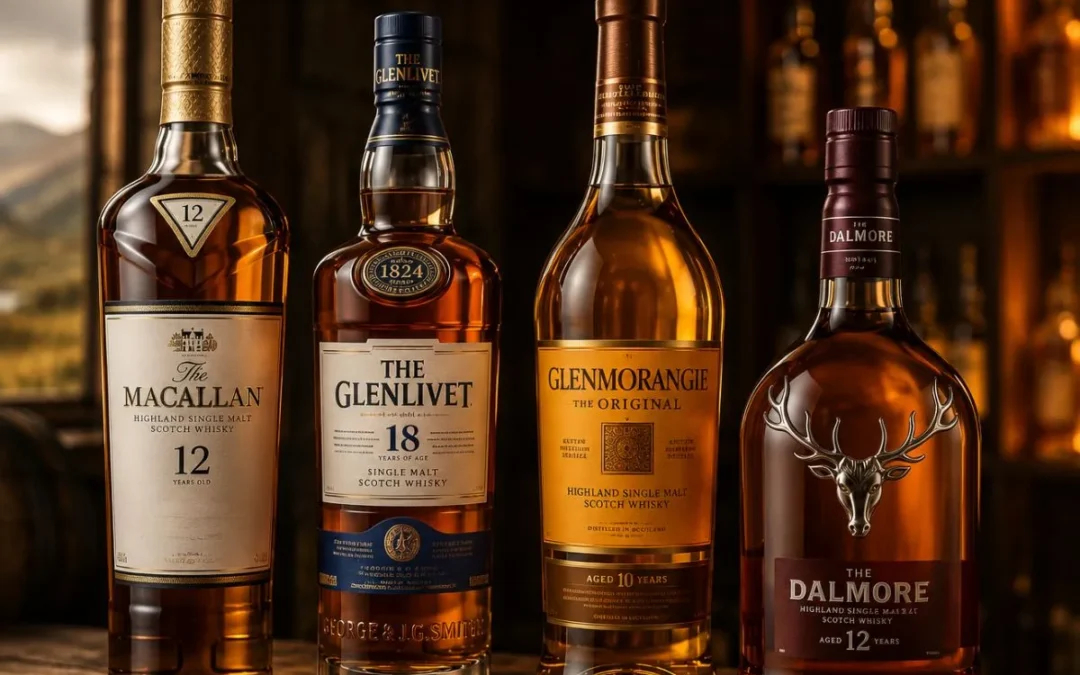
When you’re browsing the whisky aisle, the 12-year-old category is where things get real. You’ll see familiar names—Glenfiddich, Macallan, Glenlivet. All respectable. But Aberlour 12 brings something a little extra.
Its sherry cask influence is more pronounced than most, giving it that luscious, almost dessert-like edge. It’s richer than Glenlivet 12, less peaty than Highland Park 12, and arguably smoother than Macallan 12 at a similar price point.
It’s not trying to be the loudest in the room. But it’s often the one you end up talking about after the second pour.
Pro Tips for Enjoying Aberlour 12
You don’t need a smoking jacket and leather armchair to enjoy good whisky. Here’s how to elevate your Aberlour experience with just a few tweaks:
- Pair with dark chocolate – preferably 70% or more. It enhances the spice and toffee notes beautifully.
- Try it with aged cheese – A mature Gouda or sharp cheddar balances the fruitiness of the whisky.
- Use a proper glass – A tulip-shaped premium whisky glass will help concentrate the aromas. And, yes, it makes a huge difference. Try it yourself.
- Add a few drops of water – Just a splash can unlock hidden flavors. It’s like a magic trick, but boozy.
Is Aberlour Single Malt 12 Worth It?
Absolutely. It hits that perfect sweet spot that recognizes the premium whisky. Whether you’re new to the whisky world or someone with a decanter collection and a whisky journal, Aberlour 12 offers flavor, finesse, and flexibility.
It doesn’t rely on gimmicks or flashy packaging. It delivers where it counts: in the glass. And that’s something today’s drinkers appreciate more than ever, authenticity, quality, and a smooth sip that just feels right.
by HOS | Jun 27, 2025 | Highland Whisky, Campbeltown Whiskey, Scotch, Specials, Springbank, Whisky
Once hailed as the “Whiskey Capital of the World,” Campbeltown, nestled on the rugged Kintyre Peninsula of western Scotland, was home to more than 30 distilleries in the 1800s. At its peak, the small town was booming with barrels being rolled and the unmistakable scent of peated malt filling the air. But by the mid-20th century, Campbeltown’s whiskey legacy had all but disappeared, reduced to a mere whisper of its former self.
Today, Campbeltown whiskey is making a triumphant return. The region has not only regained the attention of connoisseurs and collectors but is also setting a new gold standard for quality Scotch. So, what’s fueling the remarkable rise of Campbeltown whiskey today?
Springbank: The Keeper of the Flame
If Campbeltown whiskey has a heart, it’s Springbank Distillery. Family-owned since the 1800s, Springbank refused to cut corners even during the industry’s darkest times. They maintained traditional methods: floor malting their own barley, direct fire distillation, and aging their whiskey onsite.
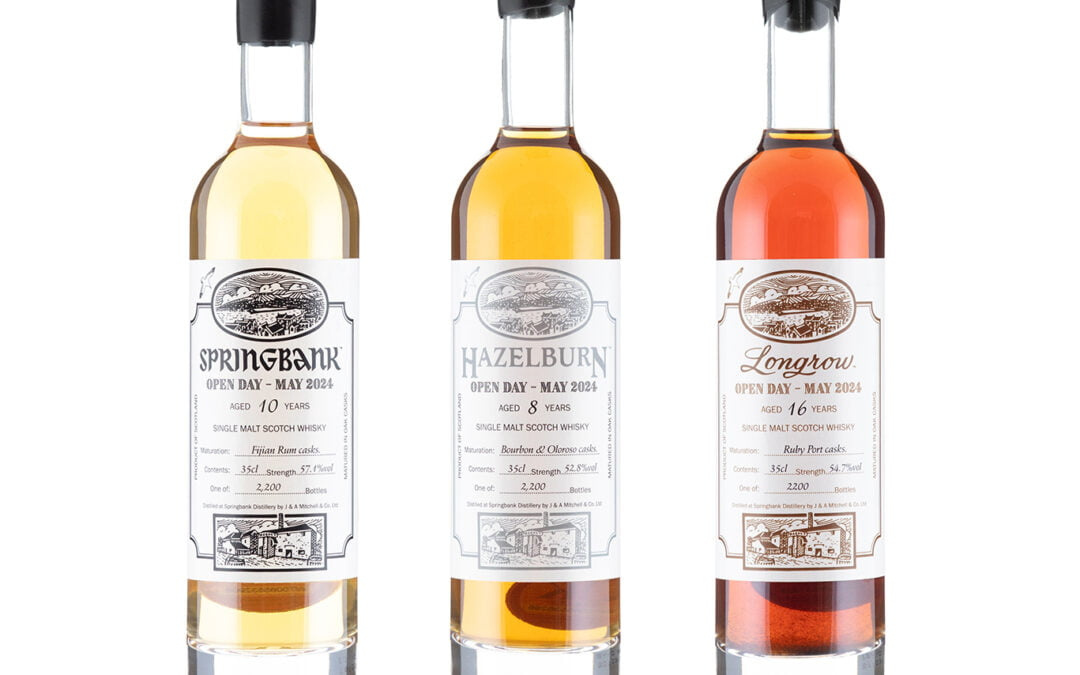
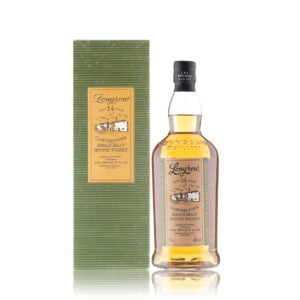
Springbank’s dedication kept Campbeltown’s flame flickering, even when the rest of the world had forgotten the town. Their expressions, particularly the classic Springbank 10, Longrow, and Hazelburn, slowly started to regain cult-like status among whiskey lovers.
While mass-market appeal eluded them during the late 20th century, the tides were turning.
Glen Scotia: The Quiet Resurgence
While Springbank was drawing the attention of purists, Glen Scotia was quietly working on its own revival. Once considered a forgotten distillery, Glen Scotia invested in modernization without sacrificing character. Their expressions are often described as more polished and approachable than Springbank’s, offering a great introduction to Campbeltown’s distinctive profile.
With releases like Glen Scotia Victoriana and the Double Cask, the distillery has reintroduced the region to a broader, global audience. Glen Scotia’s recent accolades—including multiple medals at international whiskey competitions, underscore that Campbeltown is no longer a relic of the past but a force in the present.
The Campbeltown Flavor: Bold and Briny
So, what exactly makes Campbeltown whiskey unique? It’s often described as bold, slightly funky, and layered with flavors you won’t find elsewhere. A Campbeltown dram might greet you with notes of sea spray, oily smoke, salted caramel, and old leather. It’s whiskey with grit, unapologetically robust, and often aged in sherry or bourbon casks for added complexity.
The maritime climate plays a crucial role. Distilleries like Springbank and Glen Scotia sit mere feet from the coast, and many believe the sea air imparts a distinct saltiness and minerality that defines the region.
The New Kids on the Kintyre Block
Campbeltown’s renaissance isn’t just about holding onto the past, it’s about building a future. In 2022, the announcement of new distilleries, like the much-anticipated Machrihanish Distillery, confirmed that Campbeltown’s comeback is no longer speculative.
Another project, Dál Riata Distillery, also aims to blend innovation with tradition, attracting fresh talent, new investment, and modern whiskey drinkers.
These new distilleries are being developed with lessons from the past in mind: small batch production, sustainability, authenticity, and quality-first approaches are leading the way.
A Global Spotlight: Why Whiskey Lovers Are Paying Attention
In recent years, demand for Campbeltown whiskey has exploded. Collectors and investors have started paying top dollar for Springbank expressions. Part of this renewed interest comes from a global trend toward craft and small-batch spirits. As consumers become more educated and adventurous, it offers something different, a break from the predictable flavor profiles of more commercial Speyside or Highland malts.
The region’s limited production adds to its mystique. Unlike other Scotch regions with dozens of producers, Campbeltown’s scarcity drives desirability. When you sip a Campbeltown malt, you’re tasting history, and exclusivity.
The Gold Standard: What Campbeltown Whiskey Represents Today
More than just a beverage, it represents resilience. It tells the story of a community that refused to let its legacy die, of distillers who prioritized craft over profit, and of a town that’s now rising from the ashes with confidence.
Today, this whiskey stands as a gold standard of authenticity in a spirits world that’s often dominated by marketing and mass production. Whether you’re sipping a smoky Longrow, a rich Glen Scotia 15, or looking forward to tasting the first bottlings from new distilleries, you’re joining a movement, a toast to revival.
A Comeback Worth Celebrating
From near extinction to cult-favorite status, the comeback of Campbeltown whiskey is one of the most inspiring stories in the world of spirits. It reminds us that true quality stands the test of time and that sometimes, going against the grain is exactly what the world needs.
So, the next time you’re exploring the whiskey aisle or visiting Scotland, don’t overlook Campbeltown. Pour a dram, breathe in the sea air, and raise your glass to a town that went from ghost town to gold standard and did it with character.
Showing 91–105 of 578 results






















Recent Comments