
by HOS | Jul 17, 2026 | Uncategorized
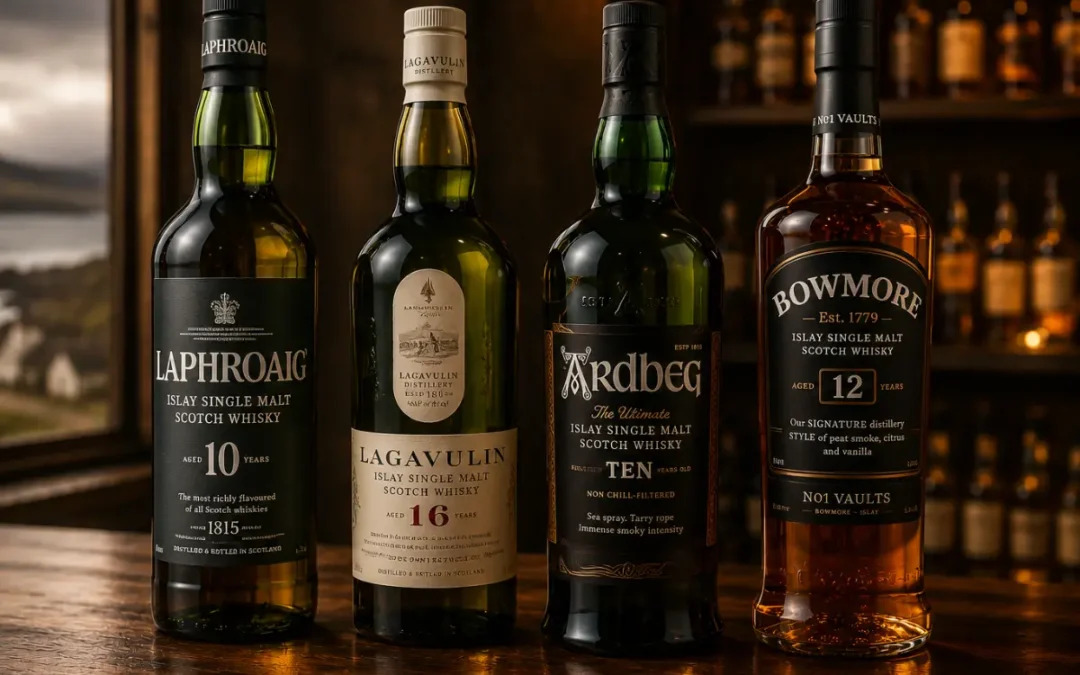
Scotland is home to some of the world’s most celebrated whiskies, and among them, Islay Whisky holds a special place. Produced on the island of Islay off Scotland’s west coast, this style of whisky is renowned for its bold character, smoky aroma, and rich heritage. While it may not be the first choice for every beginner, it has earned a loyal following among whisky enthusiasts who appreciate its distinctive personality.
Whether you’re exploring Scotch for the first time or looking to expand your knowledge, understanding the history, flavor, and reputation of Islay whisky offers valuable insight into one of Scotland’s most iconic spirits. If you’re just getting started, our complete Scotch whisky guide covers everything you need to know before you buy.
What Is Islay Whisky?
Islay is one of Scotland’s whisky-producing regions and is famous for creating whiskies with strong peat smoke and maritime influences. The island’s rugged coastline, cool climate, and centuries-old distilling traditions all contribute to the unique characteristics found in every bottle.
Although each distillery has its own production methods, many share common flavor notes that have become closely associated with the region. Islay Whisky is often recognized by its smoky aroma, earthy richness, and subtle hints of sea salt, making it unlike any other Scotch style.
A Rich History Rooted in Tradition
Whisky production on Islay dates back hundreds of years. Early distilling was often carried out on a small scale, with local families producing spirits using traditional techniques passed down through generations.
As legal distilleries became established during the 18th and 19th centuries, Islay developed a reputation for producing exceptional Scotch whisky. The island’s abundant peat bogs provided a natural fuel source for drying malted barley, creating the smoky flavors that remain a defining characteristic today.
Many of the distilleries operating on Islay have preserved traditional methods while embracing modern innovations, allowing them to maintain their heritage while meeting global demand.
What Does It Taste Like?
One of the most exciting aspects is its bold and memorable flavor profile.
Common tasting notes include:
- Peat smoke
- Sea salt
- Earthy aromas
- Black pepper
- Citrus zest
- Vanilla
- Honey
- Oak spice
- Dark chocolate
- Dried fruit
Not every bottle tastes the same. Some expressions focus heavily on smoke and medicinal notes, while others offer a gentler balance of sweetness, fruit, and spice.
This variety allows drinkers to discover different styles while still experiencing the unmistakable coastal influence that defines the region.
Why Is It So Smoky?
The signature smoky character comes from peat.
Peat is partially decomposed vegetation harvested from bogs. During the malting process, barley is dried over peat fires, allowing smoke to infuse the grain with distinctive aromas and flavors.
The amount of peat smoke varies between distilleries, meaning some whiskies are intensely smoky while others offer a lighter touch.
This traditional production method has become one of the defining features of Islay Whisky, making it instantly recognizable among Scotch lovers.
When Is It Usually Enjoyed?
It is incredibly versatile despite its bold reputation.
Many people enjoy it during quiet evenings as a slow sipping whisky, allowing time to appreciate its layered aromas and evolving flavors.
It is also popular during whisky tastings, special celebrations, and gatherings where enthusiasts compare expressions from different distilleries.
Its rich character makes it especially appealing during colder months, though many whisky drinkers enjoy it year-round.
Some enthusiasts even pair it with premium cigars or enjoy it alongside carefully selected foods to enhance the tasting experience.
Popular Food Pairings
The bold flavors pair well with equally flavorful foods.
Some excellent choices include:
- Smoked salmon
- Grilled steak
- Aged cheddar
- Blue cheese
- Dark chocolate
- Roasted lamb
- Oysters
- Charcuterie boards
The combination of smoky, salty, sweet, and savory flavors often creates a balanced tasting experience.
Why It Has Become World Famous
Several factors have contributed to the global popularity.
Its distinctive flavor immediately sets it apart from many other Scotch regions. While Speyside whiskies often emphasize sweetness and Highland whiskies showcase balance, Islay expressions are celebrated for their bold, smoky personality.
The region’s long history also adds to its appeal. Many distilleries have been producing whisky for generations, preserving traditional craftsmanship while maintaining high quality standards.
International whisky competitions, growing tourism, and increasing appreciation for premium spirits have further strengthened the island’s reputation around the world.
As more consumers seek authentic and distinctive products, Islay Whisky continues to stand out as one of Scotland’s most recognizable whisky styles.
Tips for First-Time Drinkers
If you’re trying Islay for the first time, begin with an open mind.
Take time to smell the whisky before tasting it. Notice the smoke, fruit, spice, or coastal aromas that emerge from the glass.
Sip slowly rather than drinking quickly. Allow the flavors to develop across your palate.
Adding a few drops of water can soften stronger expressions and reveal hidden notes that may not be immediately noticeable.
Trying several expressions from different distilleries is also an excellent way to appreciate the diversity found within the region. Browse our full range of Islay whisky to find the perfect bottle to start your journey.
Final Thoughts
For whisky enthusiasts seeking bold flavors and rich tradition, Islay Whisky offers an unforgettable experience. Its centuries-old history, peat-fired production methods, distinctive coastal character, and remarkable craftsmanship have earned it worldwide recognition. Whether enjoyed on its own, paired with food, or explored through guided tastings, every bottle tells the story of Scotland’s iconic island and the people who have perfected the art of whisky making for generations. For anyone interested in discovering one of the world’s most celebrated Scotch styles, it is a journey well worth taking.
by HOS | Jul 17, 2026 | Uncategorized
Buying a bottle of whisky can feel overwhelming, especially with so many regions, flavor profiles, and distilleries to choose from. If you’re looking for something that offers character, complexity, and a connection to Scotland’s rugged coastline, Island Whisky is an excellent place to start. Known for its maritime influence and diverse range of flavors, it has become a favorite among both newcomers and seasoned whisky enthusiasts. If you’re new to whisky altogether, start with our complete Scotch whisky guide for expert buying tips.
Whether you’re shopping for yourself or searching for a thoughtful gift, understanding what makes this style unique will help you choose a bottle you’ll truly enjoy. Here’s everything you need to know before making your purchase.
What Is Island Whisky?
Although the Islands are not officially recognized as a separate Scotch whisky region by every authority, the term is widely used to describe whiskies produced on Scotland’s islands outside of Islay. These islands include Skye, Orkney, Mull, Arran, Jura, Raasay, and several others.
Each island has its own landscape, climate, and distilling traditions, resulting in whiskies with distinct personalities. Some are lightly smoky, while others are fruity, spicy, or rich with coastal notes.
Because every island offers something different, exploring whiskies from this category can be an exciting journey for any whisky lover.
Why It Stands Out
One reason Island Whisky continues to attract attention is its remarkable diversity. Unlike regions with a more consistent style, the islands produce whiskies that vary significantly from one distillery to another.
Some bottles feature gentle peat smoke balanced with honey and vanilla, while others deliver bold pepper, sea salt, dried fruit, or oak spice. Coastal maturation also contributes subtle maritime characteristics that many drinkers find distinctive.
This variety means there is no single “Island style.” Instead, each bottle tells the story of its island, climate, and craftsmanship.
Understand the Flavor Profiles
Knowing your preferred flavors makes choosing a bottle much easier.
If you enjoy sweeter spirits, look for whiskies with notes of caramel, toffee, baked apples, vanilla, or honey.
If you prefer bolder expressions, consider bottles with hints of black pepper, oak spice, smoke, leather, or dark chocolate.
Many island whiskies also showcase flavors such as:
- Citrus zest
- Heather honey
- Sea salt
- Malted barley
- Dried fruits
- Light peat smoke
- Toasted nuts
- Warm baking spices
Reading tasting notes before buying can help you narrow your options.
Peated or Unpeated?
One common misconception is that every island variant is heavily peated.
In reality, peat levels vary considerably. Some distilleries produce rich smoky expressions, while others focus on clean, fruity, or creamy styles with little to no smoke.
If you’re new to Island whisky, a lightly peated bottle may provide an easier introduction. Experienced drinkers who enjoy smoky flavors can explore more robust expressions without assuming every variant tastes the same.
Consider the Age Statement
Age statements often influence buying decisions, but older doesn’t always mean better.
A whisky aged for 10 or 12 years may offer exceptional balance and freshness, while an 18-year-old expression might provide deeper oak influence and greater complexity.
Focus on the overall style rather than choosing solely based on age. Distillery character, cask selection, and production methods all contribute significantly to the final flavor.
Learn About Cask Maturation
The cask plays a major role in shaping whisky.
Common cask types include:
- American oak bourbon barrels
- European oak sherry casks
- Port casks
- Wine casks
- Rum casks
Each type adds different characteristics.
Bourbon casks often contribute vanilla, caramel, and coconut notes.
Sherry casks typically add dried fruits, raisins, spice, and rich sweetness.
Wine and rum casks introduce unique layers that can make a whisky even more distinctive.
Understanding cask influence helps you select a bottle that matches your taste preferences.
Check the Alcohol Strength
Not every bottle has the same alcohol content.
Standard bottlings are usually around 40–46% ABV, making them approachable for most drinkers.
Cask-strength whiskies often exceed 55% ABV and deliver more concentrated flavors. While they can be incredibly rewarding, they may be better suited for experienced whisky enthusiasts.
Adding a few drops of water can reveal additional aromas and soften stronger expressions.
Think About Your Experience Level
Your familiarity with Island whisky should guide your purchase.
Beginners often appreciate approachable whiskies with balanced sweetness, gentle spice, and light coastal influence.
Intermediate drinkers may enjoy exploring more complex expressions with layered flavors.
Experienced enthusiasts often seek limited releases, single casks, or higher-proof bottlings that showcase unique production methods.
Buying according to your experience ensures a more enjoyable tasting experience.
Set a Realistic Budget
Excellent whisky exists across many price ranges.
Entry-level bottles offer outstanding quality without requiring a large investment.
Mid-range expressions often provide additional complexity and premium cask maturation.
Higher-priced releases may feature longer aging, limited availability, or collectible value, but price alone does not guarantee you’ll enjoy the whisky more.
Choose a bottle that fits both your budget and your taste preferences.
Read Reviews Carefully
Expert reviews can provide valuable insights, but remember that taste is highly personal.
One reviewer may love bold smoke, while another prefers delicate fruit flavors.
Instead of focusing solely on ratings, pay attention to tasting notes and descriptions. These details are usually more helpful when determining whether a whisky matches your palate.
Over time, you’ll discover which flavor profiles consistently appeal to you.
Buy from Trusted Retailers
Purchasing from reputable retailers helps ensure authenticity and proper storage.
Reliable sellers also provide detailed product descriptions, age statements, cask information, and tasting notes that make comparing bottles much easier.
Avoid unusually low prices that seem too good to be true, particularly for rare or collectible releases. Browse our full range of Island whisky bottles to find your next favorite.
Experiment and Explore
One of the greatest pleasures of whisky is discovering new favorites.
Try expressions from different islands, compare various cask finishes, and revisit bottles after they’ve had time to breathe in the glass.
Keeping tasting notes can also help you identify patterns in the flavors you enjoy most.
Exploration is part of the experience, and every bottle offers an opportunity to learn something new.
Final Thoughts
Buying Island Whisky doesn’t have to be complicated. By understanding regional characteristics, flavor profiles, peat levels, cask maturation, age statements, and alcohol strength, you can make a confident choice that suits your personal taste.
Whether you’re beginning your whisky journey or expanding an established collection, it offers remarkable diversity and craftsmanship. From gentle coastal elegance to bold maritime character, every bottle reflects the heritage of Scotland’s island distilleries. Taking the time to research your options, explore different styles, and purchase from trusted retailers will help ensure every bottle delivers an enjoyable and memorable experience. With so many outstanding expressions available, Island Whisky remains one of the most rewarding categories for whisky lovers to discover.
by HOS | Jul 10, 2026 | Highland Whisky
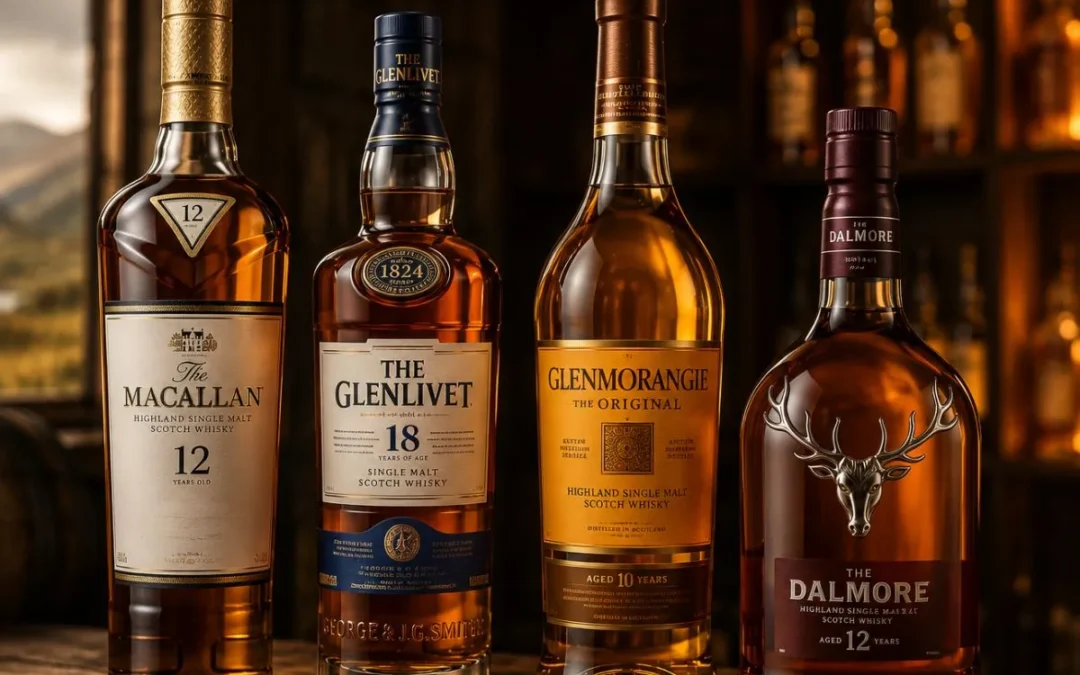
Ask any Scotch drinker to name their favorite region, and there’s a good chance Highland whisky comes up first. It’s not hard to see why. The Highlands cover more ground than any other whisky-producing area in Scotland, stretching from the windswept coast to the edge of the Cairngorms, and that sheer size means the whisky made there refuses to sit in one neat box. If you’ve ever wondered why one Highland dram tastes like honeyed fruit and another leans smoky and coastal, this guide will walk you through what makes the region tick, how the whisky is made, and how to choose a bottle you’ll genuinely enjoy.
What Makes a Whisky “Highland”?
Technically, any single malt Scotch produced within the Highland boundary — one of Scotland’s five official whisky regions — earns the label. But that boundary is enormous, running from just north of Glasgow all the way up to the northern coast, and looping around to include parts of the east and west as well. Because of that scale, “Highland whisky” isn’t really one style. It’s an umbrella covering distilleries with wildly different climates, water sources, and traditions.
That’s actually the region’s biggest strength. Where Speyside built its reputation on a fairly consistent, fruit-forward house style, and Islay became famous for peat smoke, the Highlands never settled into a single identity. Distillers here have had the freedom to experiment, which is part of why the region produces some of the most diverse whisky in Scotland.
The Flavor Spectrum: East, West, and North
Understanding Highland whisky gets much easier once you break it down geographically.
Eastern Highland distilleries, closer to Speyside, tend to produce lighter, more elegant whiskies with notes of honey, orchard fruit, and a gentle maltiness. These are often a great entry point if you’re new to single malts.
Western Highland whiskies frequently pick up a touch of coastal character — sea air, brine, sometimes a whisper of peat — thanks to their proximity to the Atlantic and the sea lochs that dot the coastline.
Northern Highland malts often sit somewhere in between: robust and full-bodied, with warming spice, dried fruit, and occasionally a light smokiness that never overwhelms the whisky’s core sweetness.
This range is exactly why Highland whisky rewards exploration. You could spend years working through the region and still find new flavor combinations you haven’t tasted before.
How Highland Whisky Is Made
The production process follows the same broad steps as any single malt Scotch — malting barley, mashing, fermenting, double distilling in copper pot stills, then aging in oak casks for a minimum of three years, though most Highland whiskies rest considerably longer. What sets the region apart is everything around that process: the water drawn from Highland lochs and streams, the local climate that shapes how the spirit matures in the cask, and the individual quirks each distillery brings to its stills and warehouses.
Cask choice plays an especially big role in Highland whisky’s character. Ex-bourbon casks tend to bring out vanilla and light citrus, while ex-sherry casks contribute deeper notes of dried fruit, chocolate, and spice. Many distilleries use a combination of both, or finish their whisky in a second cask type for the final stretch of maturation, adding another layer of complexity.
Why Highland Whisky Is a Great Choice
If you’re building out a home bar or just starting to explore single malts, Highland whisky is one of the smartest places to begin. Its sheer variety means there’s genuinely something for everyone — whether you prefer something light and floral, rich and sherried, or lightly smoky. It also tends to be versatile at the table, pairing well with everything from smoked salmon to dark chocolate, and it holds its own in classic whisky cocktails without being wasted on ice and soda.
One of the most iconic names to explore here is Highland Park, based on Orkney at the very northern edge of the region. Known for balancing honeyed sweetness with gentle smoke and heather notes, it’s a great example of just how much character a single Highland distillery can pack into a bottle — you can browse the full range on our Highland Park collection page.
How to Taste It
Pour a measure into a tulip-shaped glass and give it a minute before your first sip — this lets the aromas open up. Nose it gently, then taste, letting the whisky rest on your palate rather than swallowing immediately. Notice how the flavor shifts from the first sip to the finish; a well-aged Highland malt often reveals new notes the longer it sits in the glass. A small splash of water can help release additional aroma without diluting the experience.
Choosing Your Bottle
Because the Highlands cover so much stylistic ground, it helps to think about what you already enjoy before buying. If you like fruity, easy-drinking whiskies, look toward the eastern distilleries. If you’re drawn to something with a bit of coastal edge or gentle smoke, western and northern expressions are worth exploring. And if you’re still finding your footing with Scotch more broadly, our Scotch Whisky Guide breaks down every region, cask type, and buying tip you’ll need to shop with confidence.
Final Thoughts
Highland whisky doesn’t ask you to commit to one flavor profile — it hands you an entire spectrum and lets you find your own favorite corner of it. That diversity, paired with centuries of distilling tradition, is exactly what keeps whisky lovers coming back to the region again and again. Wherever you land on the map, there’s a Highland dram waiting to become your new go-to.
by HOS | Jul 10, 2026 | Blended Whisky
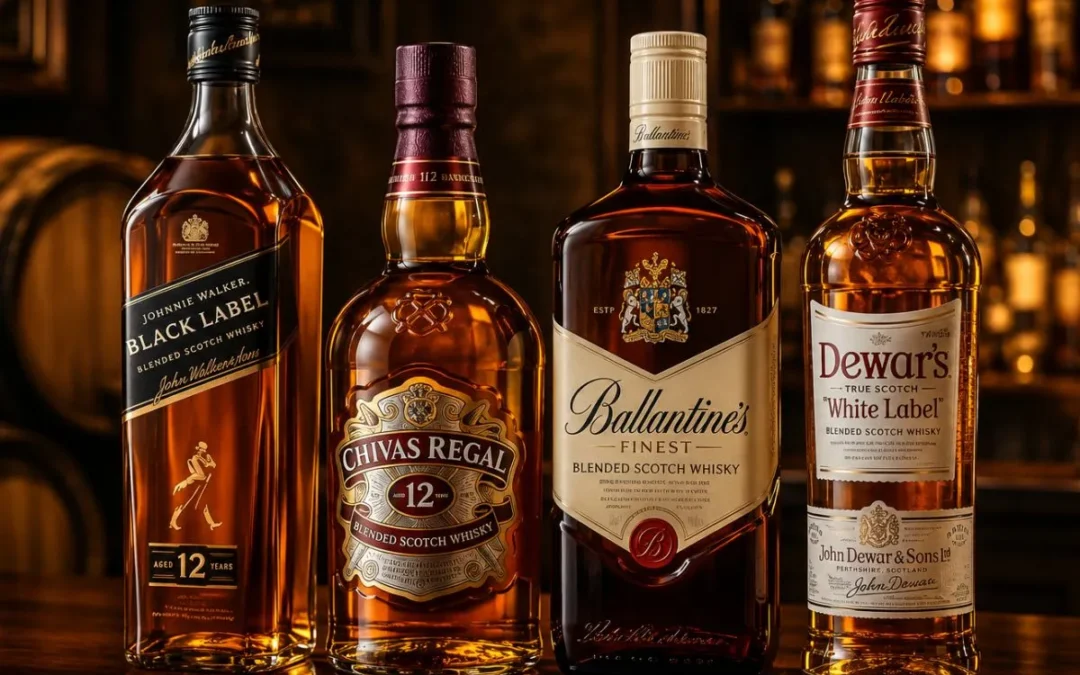
If you’ve ever browsed a whisky shelf and felt overwhelmed by labels reading “single malt,” “blended,” or “straight bourbon,” you’re not alone. Among all the categories, blended whisky remains one of the most misunderstood — yet it’s also one of the most approachable, versatile, and widely enjoyed styles in the world. Whether you’re a curious newcomer or someone looking to deepen your whisky knowledge, this guide covers everything you need to know about blended whisky: what it is, how it’s made, why it matters, and how to choose a bottle you’ll actually enjoy.
What Is Blended Whisky?
At its core, blended whisky is exactly what the name suggests — a whisky created by combining two or more different whiskies, often from multiple distilleries, casks, or grain types. Unlike single malt whisky, which must come from one distillery and be made entirely from malted barley, blended whisky can include a mix of malt whiskies and grain whiskies, carefully balanced by a master blender to achieve a specific flavor, aroma, and finish.
This blending process isn’t about cutting corners. It’s a craft in itself. Master blenders spend years — sometimes decades — learning how different whiskies interact with one another, selecting casks that complement rather than compete, and building a consistent flavor profile that drinkers can recognize and trust bottle after bottle.
How Blended Whisky Is Made
The process typically starts with grain whisky, which is lighter and more neutral in flavor, and malt whisky, which brings richness, depth, and character. A blender might combine whisky from a dozen or more distilleries, each contributing something unique — smokiness from one, sweetness from another, spice from a third. The goal is harmony, not domination by any single flavor.
Once blended, the whisky is usually left to rest and “marry” in oak casks for a period of time. This marrying process allows the individual components to integrate fully, softening any rough edges and creating a smoother, more unified final product. The result is a whisky that’s often more approachable than a single malt, with a flavor profile designed for balance rather than intensity.
Why Choose Blended Whisky?
There’s a common misconception that blended whisky is somehow “lesser” than single malt. In reality, some of the most celebrated and best-selling whiskies in the world are blends, and many whisky drinkers — including seasoned connoisseurs — prefer them for good reason.
Consistency: Because blenders work to a defined flavor profile, you know what you’re getting every time you pick up a bottle.
Approachability: Blended whisky tends to be smoother and more balanced, making it an excellent starting point for anyone new to whisky.
Versatility: Its balanced character makes blended whisky a fantastic base for classic cocktails like the Old Fashioned, Whisky Sour, or a simple whisky and soda, without overpowering other ingredients.
Value: Many high-quality blends offer excellent flavor at a more accessible price point than aged single malts.
How to Taste Blended Whisky
Tasting blended whisky is much like tasting any fine spirit — it rewards a little patience. Start by pouring a small measure into a tulip-shaped glass, which helps concentrate the aromas. Give it a gentle swirl and take in the nose before your first sip. You might notice notes of vanilla, caramel, toasted oak, dried fruit, or a light smokiness, depending on the blend.
When you taste it, let the whisky sit on your palate for a moment before swallowing. Pay attention to how the flavors evolve — from the initial sweetness to the mid-palate spice to the finish. A well-crafted blend will show balance at every stage, rather than one flavor dominating the entire experience.
Adding a few drops of water can also help “open up” the whisky, releasing additional aromas and softening the alcohol’s intensity — a common practice even among experienced tasters.
Popular Styles of Blended Whisky
Blended whisky isn’t limited to one country or category. Scotch blends are among the most famous globally, combining malt and grain whiskies from various Scottish distilleries. If you’d like to go deeper into this tradition — including regional styles, classification rules, and how Scotch is aged — our Scotch Whisky Guide walks through everything you need to know. American blended whiskies often incorporate straight bourbon or rye with lighter grain spirits, resulting in a distinct, slightly sweeter profile. Irish and Canadian blends bring their own regional characteristics, often prized for their smoothness and easy-drinking style.
Each region’s blending traditions reflect local ingredients, climate, and centuries of craftsmanship — which means there’s a blended whisky out there to suit almost any palate or occasion.
Choosing Your First Bottle
If you’re new to blended whisky, start with something well-balanced and moderately priced before exploring more complex or premium expressions. Pay attention to proof (alcohol strength), age statement (if listed), and tasting notes provided by the distillery or retailer. Don’t be afraid to ask questions or read reviews — part of the joy of whisky is discovering what you personally enjoy.
If you’re ready to try one for yourself, browse our full range of blended whisky to find a bottle that matches your taste and budget, whether you’re buying for your own bar or as a gift.
Final Thoughts
Blended whisky is a category built on skill, patience, and the art of balance. Far from being a compromise, it represents some of the most thoughtfully crafted spirits available today. Whether you’re sipping it neat, on the rocks, or mixed into a classic cocktail, a well-made blended whisky offers a rewarding and consistently enjoyable experience — one that’s earned its place on bars and shelves around the world.
by HOS | Jul 3, 2026 | Campbeltown Whiskey, Scotch
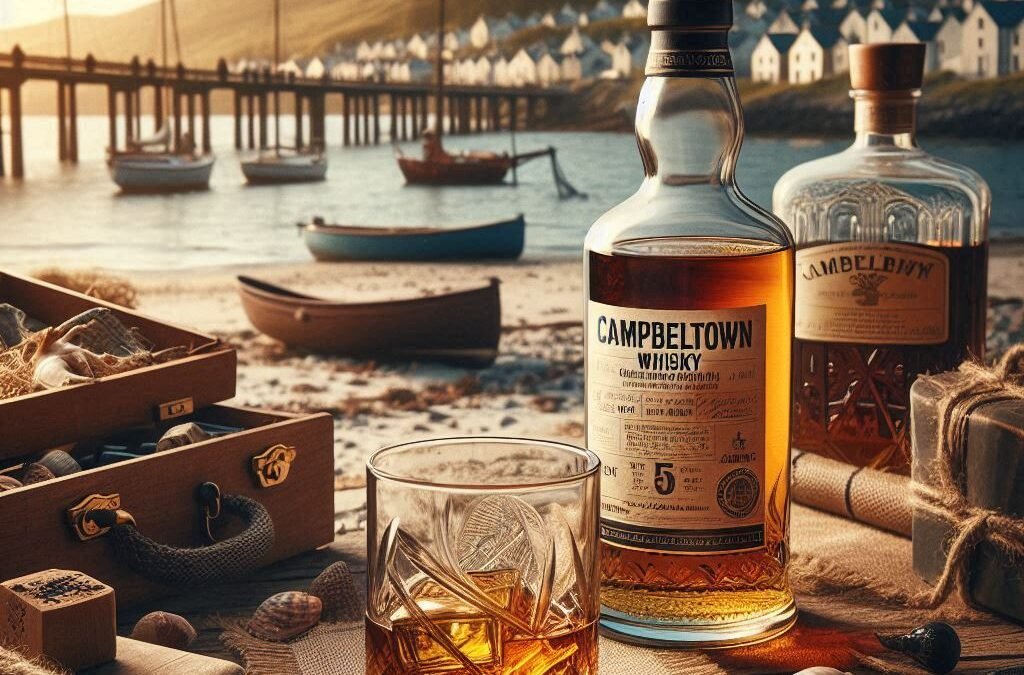
When people think of Scotch whisky, regions like Speyside and Islay often come to mind first. However, one of Scotland’s most intriguing whisky-producing regions is Campbeltown. Once known as the “Whisky Capital of the World,” this small coastal town has a remarkable history and continues to produce distinctive whiskies that are admired by enthusiasts across the globe.
Whether you’re new to Scotch or an experienced collector, learning about Campbeltown Whisky offers valuable insight into one of Scotland’s most historic and characterful whisky regions. Here are ten fascinating facts that make it truly unique.
1. Campbeltown Was Once the Whisky Capital of the World
During the 19th century, Campbeltown was home to more than 30 active distilleries, making it one of the busiest whisky-producing towns in Scotland. The town’s location on the Kintyre Peninsula provided easy access to shipping routes, allowing whisky to be transported efficiently throughout the United Kingdom and beyond.
Although the number of operating distilleries has declined over time, the region’s reputation for producing quality whisky remains strong.
2. It Is One of Scotland’s Official Whisky Regions
Scotland officially recognizes five whisky-producing regions:
- Campbeltown
- Speyside
- Islay
- Highlands
- Lowlands
Each region has developed its own traditions, production methods, and flavor characteristics. Campbeltown Whisky stands out for its complexity and balanced character, offering flavors that appeal to a wide variety of whisky drinkers.
3. Every Distillery Has Its Own Distinct Style
One of the most interesting aspects of Campbeltown is the diversity found within its distilleries. Rather than producing identical flavor profiles, each distillery has developed its own approach to fermentation, distillation, maturation, and cask selection.
This variety means whisky lovers can explore different expressions while still experiencing the regional character that makes Campbeltown unique.
4. The Flavor Profile Is Rich and Complex
Many enthusiasts describe Campbeltown whiskies as offering a combination of:
- Maritime influence
- Gentle smokiness
- Salted caramel notes
- Dried fruits
- Vanilla
- Oak spices
- Light earthy characteristics
Not every bottle displays all of these qualities, but the region is widely respected for producing layered and well-balanced whiskies.
5. Coastal Conditions Influence Maturation
Campbeltown sits beside the sea, and many believe the coastal climate contributes to the maturation process.
While opinions differ regarding exactly how much sea air influences whisky aging, many drinkers notice subtle coastal characteristics that complement the whisky’s fruity and malty flavors. These environmental conditions help distinguish Campbeltown Whisky from whiskies produced in inland regions.
6. Traditional Production Methods Remain Important
Many Campbeltown producers continue to emphasize traditional whisky-making techniques.
Long fermentation times, careful distillation, quality cask selection, and patient maturation all contribute to the region’s reputation for producing premium Scotch whisky.
Although modern technology supports consistency, craftsmanship remains at the heart of production.
7. Limited Production Adds to Its Appeal
Compared with larger whisky-producing regions, Campbeltown produces relatively small quantities each year.
Lower production volumes often make certain releases highly sought after by collectors and enthusiasts who appreciate unique expressions and limited availability. This exclusivity has helped strengthen the global reputation.
8. It Appeals to Both Beginners and Enthusiasts
Despite its complex character, it offers something for every level of experience.
Beginners often appreciate approachable expressions with fruity and vanilla notes, while experienced whisky drinkers enjoy exploring bottles that feature deeper maritime, smoky, and spicy characteristics.
This versatility makes the region an excellent starting point for anyone interested in expanding their appreciation of Scotch whisky.
9. Food Pairings Enhance the Experience
The rich character pairs well with a variety of foods.
Popular pairings include:
- Mature cheeses
- Smoked salmon
- Grilled steak
- Dark chocolate
- Roasted nuts
- Dried fruits
Experimenting with different combinations allows drinkers to discover how flavors complement one another while highlighting different aspects of the whisky.
10. Campbeltown Continues to Shape Scotland’s Whisky Heritage
Although the region is much smaller than it once was, its influence on Scotch whisky remains significant.
Modern producers continue investing in quality, innovation, and traditional craftsmanship, ensuring the region remains an important part of Scotland’s whisky story. Interest from whisky enthusiasts worldwide has contributed to renewed appreciation for Campbeltown Whisky, helping preserve its remarkable legacy for future generations.
Why Campbeltown Whisky Stands Out
Several characteristics distinguish Campbeltown from other Scotch whisky regions:
- Rich historical significance
- Diverse flavor profiles
- Coastal maturation environment
- Traditional production techniques
- Limited production volumes
- Strong collector appeal
- Balanced combination of fruit, spice, smoke, and maritime notes
These qualities create whiskies that are both distinctive and memorable. For deeper understanding you can read this Scotch whisky guide. It’ll walk you through every little fact that makes this whisky what it is today.
Tips for Exploring Campbeltown Whisky
If you’re interested in discovering the region, consider these suggestions:
- Begin with approachable expressions before exploring more robust styles.
- Compare whiskies matured in different cask types.
- Taste slowly to appreciate the changing aromas and flavors.
- Use a proper whisky glass to enhance the tasting experience.
- Keep notes on the characteristics you enjoy most.
Sampling different expressions helps build a deeper understanding of the region’s unique identity.
Conclusion
Campbeltown may be one of Scotland’s smallest whisky regions today, but its influence is anything but small. Its remarkable history, dedication to traditional craftsmanship, and distinctive flavor profiles continue to attract whisky lovers from around the world.
Whether you’re exploring Scotch whisky for the first time or expanding an established collection, Campbeltown Whisky offers a rewarding journey through one of Scotland’s most fascinating distilling traditions. From its rich heritage to its complex character, every bottle reflects generations of expertise and a commitment to producing exceptional whisky that continues to earn worldwide recognition.






Recent Comments