

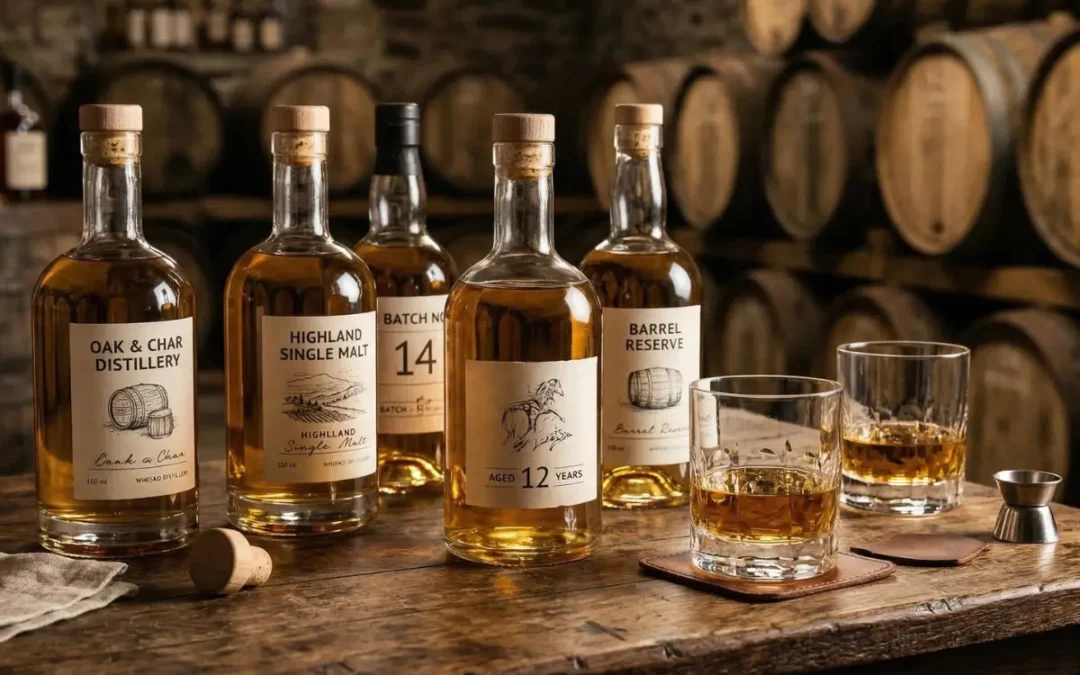
Walk into a good bottle shop and the whisky wall can feel like a locked door. Hundreds of bottles, unfamiliar place names, mysterious numbers on the labels, and prices that range from a casual dinner to a month’s rent.
Most beginners grab whatever looks nice and hope for the best. There is a better way.
A little background goes a long way, and none of it requires a tweed jacket or years of practice. This guide explains what Single Malt Whisky is, how it is made, how to taste it, and how to pick a first bottle you will actually enjoy.
What the Label Really Means
The Short Definition
A malt of this kind is made at a single distillery from just three ingredients: malted barley, water, and yeast. That is the whole recipe.
Breaking Down the Words
- Single: every drop in the bottle came from one distillery.
- Malt: the grain is malted barley, not corn, rye, or wheat.
Why It Matters to You
Because it comes from one place, a malt tends to carry a recognizable house character. Blended whisky, by contrast, combines malt and grain whiskies from many distilleries to create a consistent, often milder, flavor.
Neither style is better. They simply offer different experiences.
How It Is Made
You do not need a chemistry degree, but knowing how Single Malt Whisky comes to life explains why bottles taste so different from one another.
Step 1: Malting
Barley is soaked so it begins to sprout, then dried. Some distilleries dry it over peat smoke, which is where smoky flavors come from.
Step 2: Mashing and Fermenting
The dried barley is ground and mixed with hot water to release sugars. Yeast then turns that sugary liquid into a low-strength, beer-like wash.
Step 3: Distilling
The wash is heated in copper pot stills, usually twice. The shape and size of the still influence whether the spirit comes out light and floral or heavy and oily.
Step 4: Maturing
The new spirit rests in oak casks. In Scotland, the law requires at least three years of aging, and many bottles rest far longer.
Maturation does most of the heavy lifting. The wood adds color, vanilla, spice, and dried fruit notes, while time softens the rough edges.
Meet the Scotch Regions
Scotland is the best-known home of Single Malt Whisky, and its regions give you a handy map for exploring. Think of them as flavor neighborhoods rather than strict rules.
Speyside
Home to the highest concentration of distilleries. Expect gentle, fruity, honeyed drams. This is the friendliest place for beginners to start with Speyside Whisky.
Highlands
A huge and varied region. Highland Whisky styles range from rich and malty to coastal and briny.
Islay
The smoke capital. Islay whisky bottles here are famous for peat, seaweed, and medicinal notes. Bold, divisive, and unforgettable.
Lowlands
Typically light, grassy, and soft. A quiet, easygoing style Lowland Whisky.
Campbeltown
A tiny region with a reputation for salty, slightly funky, full-bodied Campbeltown Whisky.
The Islands
Not an official region, but a useful grouping. Expect Island Whisky’s mix of maritime character, gentle smoke, and spice.
Beyond Scotland
Japan, Ireland, the United States, India, Taiwan, and Australia all make excellent malt whisky too. Once you know your taste, these are rewarding places to explore. If you want to see how every major style fits together, this complete guide to whisky types is a handy next read.
Casks, Ages, and Other Label Clues
The wood shapes Single Malt Whisky as much as the stills do, so a few label clues are worth learning.
Ex-Bourbon Casks
These tend to add vanilla, caramel, and coconut. Light and sweet.
Sherry Casks
These bring dried fruit, nuts, chocolate, and baking spice. Rich and deep.
Reading the Age Statement
The number on the bottle is the age of the youngest whisky inside. A 12 year old contains nothing younger than twelve years, though older whisky may be mixed in.
Older does not automatically mean better. A well-made 10 year old can beat a tired 25 year old, and price rises sharply with age.
No Age Statement Bottles
Some bottles skip the number and focus on the cask or flavor instead. These can be excellent value, so do not dismiss them.
Other Terms Worth Knowing
- ABV: alcohol by volume. Most bottles sit between 40% and 46%.
- Cask strength: bottled without dilution, so expect much higher strength.
- Non-chill filtered: less filtering, which many drinkers feel preserves texture and flavor.
- Natural color: no caramel coloring was added.
How to Taste Whisky Properly
Tasting Single Malt Whisky is not a test. It is simply paying attention for a few extra minutes.
Choose the Right Glass
A tulip-shaped glass, or a Glencairn, concentrates aromas. A tumbler works if that is all you have.
Step 1: Look
Hold the glass to the light. Pale straw suggests lighter casks, while deep amber hints at sherry influence.
Step 2: Nose
Bring the glass near, not into, your nose, and breathe gently. Try with your mouth slightly open to avoid being overwhelmed by alcohol.
Step 3: Sip
Take a small sip and let it coat your tongue. Notice sweetness, spice, fruit, smoke, and how long the flavor lingers.
Step 4: Add Water
A few drops can open up aromas and soften the heat. Add a little at a time and see what changes.
Neat, Water, or Ice?
There is no wrong answer. Many enthusiasts begin neat with a drop of water, while others prefer a single large ice cube in warm weather. Drink it the way you enjoy it.
Choosing Your First Bottle
You do not need to spend a fortune. A reliable mid-range bottle teaches you far more than an expensive trophy you are afraid to open.
If You Like Sweet and Fruity
Look at Speyside bottles such as Glenfiddich 12, The Glenlivet 12, or Balvenie DoubleWood 12.
If You Like Something Balanced
Try a Highland or Island bottle such as Glenmorangie 10 or Highland Park 12.
If You Like Smoke
Start with a classic Islay such as Laphroaig 10. Be prepared: it is bold.
Smart Buying Tips
- Buy a smaller bottle or a sample set to explore before committing.
- Ask staff at a specialist shop what they enjoy at your budget.
- Taste in a bar first when you can.
- Avoid judging by packaging alone.
Myths Worth Dropping
“Real Drinkers Never Add Water”
Plenty of distillers and blenders add water when they taste. Do what helps you notice more flavor.
“Whisky Is Only for Special Occasions”
A modest pour of Single Malt Whisky on an ordinary evening is perfectly fine. Good whisky is meant to be enjoyed, not saved forever.
“Smoky Means Bad”
Peat is a style, not a flaw. Some people love it and others do not, and both reactions are valid.
“You Need an Expert Palate”
You only need curiosity. Vocabulary grows with practice, and your own descriptions are the ones that matter.
Easy Food Pairings
Pairing is a fun way to learn what you like. Keep it simple.
- Dark chocolate: brings out sherry cask richness.
- Aged cheddar or blue cheese: balances sweetness and spice.
- Smoked salmon: a classic partner for peated bottles.
- Fresh fruit and nuts: a light match for gentle, fruity drams.
Common Beginner Mistakes
Rushing
Whisky rewards patience. Give each dram a few minutes in the glass.
Chasing Age and Price
A higher number does not guarantee a better match for your taste.
Giving Up After One Bottle
If one style disappoints, try another region. Preferences shift over time.
Ignoring Storage
Keep bottles upright, away from sunlight and heat. An opened bottle of Single Malt Whisky will keep happily for a long time, though it can slowly lose vibrancy once the level drops very low.
A Simple Starter Plan
Want a structured way to begin? Try this:
- Pick three bottles from three different regions.
- Taste them on the same evening with water and a plain cracker.
- Write one line about each: sweet, smoky, fruity, spicy.
- Note which one you reach for again.
That small experiment will teach you more than a dozen reviews.
Keep a Simple Tasting Journal
Jot down the name, region, age, price, and a few flavor words for every bottle you try. After five or six entries, patterns appear: perhaps you love sherry sweetness, or maybe you lean toward coastal, briny styles.
Those notes make future shopping faster and cheaper. You will know exactly what to look for, and what to skip, when the next bottle catches your eye.
Join a Tasting or Visit a Distillery
Local tastings let you sample several drams without buying full bottles. Distillery tours show the stills and warehouses in person, and they are a memorable way to connect the process to the flavor in your glass.
Final Thoughts
Learning about Single Malt Whisky is less about memorizing facts and more about trusting your own senses. Start with a friendly bottle from our exclusive collection of Single Malt Whisky, taste slowly, and let curiosity guide each purchase.
Your first pour is only the beginning. Enjoy the journey, one dram at a time.



Recent Comments