
by HOS | Oct 16, 2026 | Whisky
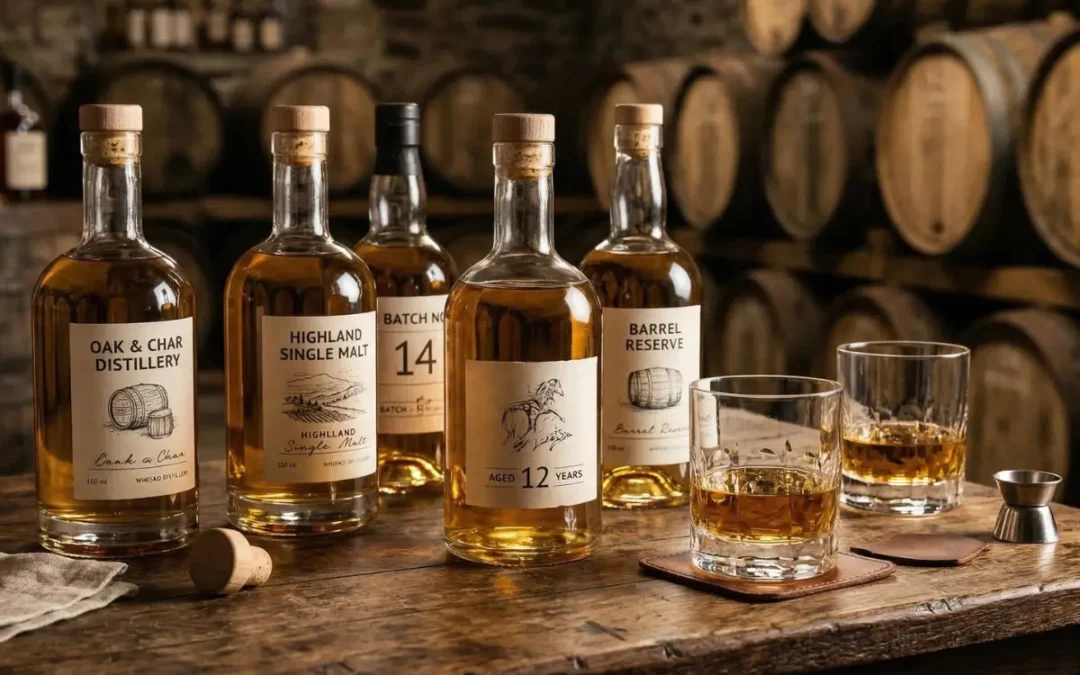
Every bottle of whisky carries a story shaped by ingredients, craftsmanship, and time. Among the many styles available, single malt whisky holds a special place for its distinctive character and connection to the distillery that produces it. From the selection of barley to the influence of oak casks, every stage contributes to its identity. Understanding what goes into the glass makes the experience more rewarding, helping drinkers appreciate the details that transform simple ingredients into a spirit with depth, aroma, and personality.
1. What Defines Single Malt Whisky?
Single malt whisky is produced at a single distillery using malted barley as its only grain ingredient. The spirit is generally distilled in batches using copper pot stills, although production methods can vary according to regional regulations. The term single malt does not mean that the whisky comes from one barrel or one batch. Instead, it identifies its connection to one distillery, where different casks and ages may be combined to achieve a consistent house style.
Several characteristics help define this whisky category:
- One distillery: The whisky comes from a single production site.
- Malted barley: This is the essential grain used in production.
- Distinctive production methods: Distillation and maturation influence its character.
- Cask influence: Wood contributes colour, aroma, and flavour.
Together, these elements create a spirit that reflects both the producer’s choices and the conditions in which it matures.
2. The Importance of Barley
Barley is the starting point of the whisky-making journey. Before fermentation can begin, the grain must be prepared to release the sugars needed to produce alcohol. Maltsters achieve this by allowing barley to germinate under controlled conditions before drying it. This process develops enzymes that later help convert starches into fermentable sugars.
Although barley may appear simple, its quality and treatment influence the production process. Distilleries pay attention to grain selection, moisture levels, and malting techniques to maintain reliable results. These early decisions establish the foundation for the spirit’s eventual character, even though many other factors shape the final flavour.
3. Malting: Preparing the Grain
Malting involves soaking barley in water, allowing it to germinate, and stopping that growth through drying. This carefully managed process activates enzymes that help break down the grain’s starches during mashing. Some distilleries use traditional floor malting, while others source malted barley from specialist suppliers.
The drying stage can also influence the whisky’s character. In certain production styles, peat smoke is used to dry the barley, introducing smoky compounds that may remain noticeable in the finished spirit.
The main stages include:
- Steeping: Barley absorbs water to begin germination.
- Germination: Enzymes develop inside the grain.
- Kilning: Heat stops germination and prepares the malt.
Each stage helps make the grain suitable for the next step.
4. Mashing: Extracting the Sugars
Once the barley has been malted and milled, it is mixed with hot water in a vessel called a mash tun. This process allows enzymes to convert starches into fermentable sugars. The resulting sweet liquid, known as wort, is separated from the solid grain material.
Water temperature and the timing of the process affect how efficiently sugars are extracted. Distilleries carefully manage these conditions to obtain a suitable wort for fermentation. Although mashing does not create alcohol, it supplies the sugars that yeast will transform in the next stage of production.
5. Fermentation: Where Flavour Begins
The wort is transferred into fermentation vessels, where yeast converts its sugars into alcohol and carbon dioxide. This process typically takes several days, producing a liquid known as wash. Its alcohol content is relatively low, but it already contains compounds that contribute to the spirit’s eventual aroma and taste.
Fermentation is more than a technical step. Yeast selection, fermentation duration, and vessel conditions can influence fruity, floral, and other flavour characteristics. Distilleries often develop specific fermentation practices to establish the style they want to maintain. The decisions made here help shape the whisky long before it enters the stills.
6. Distillation: Concentrating the Spirit
Distillation separates and concentrates alcohol and selected flavour compounds from the fermented wash. Traditional single malt production commonly uses copper pot stills, with many Scotch single malts undergoing two distillations, although some producers use different approaches.
Heat turns volatile components into vapour, which is then cooled and collected as liquid. The distiller makes careful decisions about which portions of the distillate to retain. These selections help balance desirable aromas with the spirit’s texture and overall character.
Important influences include:
- Still shape and size.
- Heating methods and distillation speed.
- The distiller’s selection of the spirit cut.
- The number of distillations.
Distillation therefore combines technical precision with experience and judgement.
7. Maturation: The Influence of Oak
After distillation, the spirit is placed in oak casks to mature. Over time, it interacts with the wood, developing colour, aroma, and greater complexity. The type of cask matters: barrels previously used for bourbon may contribute vanilla and caramel notes, while sherry-seasoned casks can bring dried-fruit and spice characteristics.
Maturation also involves gradual chemical changes and interaction with the surrounding environment. Temperature fluctuations can influence how the spirit moves into and out of the wood. Age alone, however, does not guarantee superior quality. Cask condition, spirit character, and maturation choices all contribute to the final result.
8. How to Identify Quality
Choosing a good bottle involves more than looking at its price, packaging, or age statement. Quality is often found in the balance between aroma, flavour, texture, and finish. A well-made whisky may offer complexity without becoming overwhelming, while a simpler expression can still be enjoyable when its flavours work together.
When evaluating a bottle, consider these points:
- Aroma: Look for identifiable notes such as fruit, vanilla, spice, or smoke.
- Palate: Notice sweetness, bitterness, richness, and balance.
- Texture: Consider whether the spirit feels light, creamy, oily, or full-bodied.
- Finish: Observe how the flavours develop and fade after swallowing.
Personal preference matters, so tasting different styles can be more useful than relying entirely on ratings.
9. Finding the Right Bottle for Your Taste
Searching for the best single malt whisky becomes easier when you understand your flavour preferences. Rather than choosing a bottle simply because it is popular, consider the characteristics you enjoy. Some drinkers prefer gentle fruit and honey, while others look for strong peat smoke, rich spice, or flavours associated with sherry-seasoned casks.
A practical approach is to explore different profiles before committing to an expensive bottle.
- For beginners: Consider approachable expressions with soft fruit, honey, or vanilla notes.
- For adventurous drinkers: Explore peated whiskies with earthy, smoky characteristics.
- For richer flavours: Look for expressions matured in sherry-seasoned oak casks.
- For comparison: Try small tasting pours from different distilleries.
This approach turns bottle selection into a process of discovery rather than guesswork. Ready to find your match? Explore our single malt whiskies and choose a bottle that suits your taste.
10. Understanding Regional Character
Whisky-producing regions often develop recognisable styles, although these are broad tendencies rather than strict rules. Scotch whisky regions, for example, contain distilleries with very different approaches to ingredients, fermentation, distillation, and maturation. Even neighbouring producers can create markedly different expressions.
Some whiskies are known for coastal influences, others for fruit-forward profiles or pronounced smoke. However, regional identity should be treated as a starting point rather than a guarantee of flavour. The individual distillery, the casks selected, and the production choices made by its team can be just as influential as geography.
11. Serving and Tasting With Confidence
Enjoying whisky does not require complicated rituals or expensive equipment. A clean glass, a comfortable setting, and a little attention to aroma and flavour are enough to begin. A tulip-shaped glass can help concentrate aromas, while a small pour allows you to explore the spirit gradually.
For a more considered tasting experience:
- Observe the colour, remembering that caramel colouring may be used in some whiskies.
- Smell gently rather than inhaling deeply.
- Take a small sip and notice the initial flavours.
- Pay attention to how the taste develops.
- Add a few drops of water if you wish to explore different aromas.
There is no single correct way to enjoy whisky. The goal is to discover what you appreciate most.
Conclusion: A Spirit With a Distinct Identity
Single malt whisky brings together agriculture, chemistry, craftsmanship, and patience. Its identity begins with malted barley but develops through mashing, fermentation, distillation, and maturation. Every decision along the way can influence the finished spirit, creating differences in aroma, flavour, texture, and finish.
Understanding these stages makes it easier to appreciate the work behind each bottle and select expressions that match individual preferences. Whether exploring a first dram or comparing established favourites, curiosity is the most useful companion. The more you learn about its production and character, the more rewarding each tasting experience can become.
by HOS | Oct 9, 2026 | Whisky
Walk into a good bottle shop and the whisky wall can feel like a locked door. Hundreds of bottles, unfamiliar place names, mysterious numbers on the labels, and prices that range from a casual dinner to a month’s rent.
Most beginners grab whatever looks nice and hope for the best. There is a better way.
A little background goes a long way, and none of it requires a tweed jacket or years of practice. This guide explains what Single Malt Whisky is, how it is made, how to taste it, and how to pick a first bottle you will actually enjoy.
What the Label Really Means
The Short Definition
A malt of this kind is made at a single distillery from just three ingredients: malted barley, water, and yeast. That is the whole recipe.
Breaking Down the Words
- Single: every drop in the bottle came from one distillery.
- Malt: the grain is malted barley, not corn, rye, or wheat.
Why It Matters to You
Because it comes from one place, a malt tends to carry a recognizable house character. Blended whisky, by contrast, combines malt and grain whiskies from many distilleries to create a consistent, often milder, flavor.
Neither style is better. They simply offer different experiences.
How It Is Made
You do not need a chemistry degree, but knowing how Single Malt Whisky comes to life explains why bottles taste so different from one another.
Step 1: Malting
Barley is soaked so it begins to sprout, then dried. Some distilleries dry it over peat smoke, which is where smoky flavors come from.
Step 2: Mashing and Fermenting
The dried barley is ground and mixed with hot water to release sugars. Yeast then turns that sugary liquid into a low-strength, beer-like wash.
Step 3: Distilling
The wash is heated in copper pot stills, usually twice. The shape and size of the still influence whether the spirit comes out light and floral or heavy and oily.
Step 4: Maturing
The new spirit rests in oak casks. In Scotland, the law requires at least three years of aging, and many bottles rest far longer.
Maturation does most of the heavy lifting. The wood adds color, vanilla, spice, and dried fruit notes, while time softens the rough edges.
Meet the Scotch Regions
Scotland is the best-known home of Single Malt Whisky, and its regions give you a handy map for exploring. Think of them as flavor neighborhoods rather than strict rules.
Speyside
Home to the highest concentration of distilleries. Expect gentle, fruity, honeyed drams. This is the friendliest place for beginners to start with Speyside Whisky.
Highlands
A huge and varied region. Highland Whisky styles range from rich and malty to coastal and briny.
Islay
The smoke capital. Islay whisky bottles here are famous for peat, seaweed, and medicinal notes. Bold, divisive, and unforgettable.
Lowlands
Typically light, grassy, and soft. A quiet, easygoing style Lowland Whisky.
Campbeltown
A tiny region with a reputation for salty, slightly funky, full-bodied Campbeltown Whisky.
The Islands
Not an official region, but a useful grouping. Expect Island Whisky’s mix of maritime character, gentle smoke, and spice.
Beyond Scotland
Japan, Ireland, the United States, India, Taiwan, and Australia all make excellent malt whisky too. Once you know your taste, these are rewarding places to explore. If you want to see how every major style fits together, this complete guide to whisky types is a handy next read.
Casks, Ages, and Other Label Clues
The wood shapes Single Malt Whisky as much as the stills do, so a few label clues are worth learning.
Ex-Bourbon Casks
These tend to add vanilla, caramel, and coconut. Light and sweet.
Sherry Casks
These bring dried fruit, nuts, chocolate, and baking spice. Rich and deep.
Reading the Age Statement
The number on the bottle is the age of the youngest whisky inside. A 12 year old contains nothing younger than twelve years, though older whisky may be mixed in.
Older does not automatically mean better. A well-made 10 year old can beat a tired 25 year old, and price rises sharply with age.
No Age Statement Bottles
Some bottles skip the number and focus on the cask or flavor instead. These can be excellent value, so do not dismiss them.
Other Terms Worth Knowing
- ABV: alcohol by volume. Most bottles sit between 40% and 46%.
- Cask strength: bottled without dilution, so expect much higher strength.
- Non-chill filtered: less filtering, which many drinkers feel preserves texture and flavor.
- Natural color: no caramel coloring was added.
How to Taste Whisky Properly
Tasting Single Malt Whisky is not a test. It is simply paying attention for a few extra minutes.
Choose the Right Glass
A tulip-shaped glass, or a Glencairn, concentrates aromas. A tumbler works if that is all you have.
Step 1: Look
Hold the glass to the light. Pale straw suggests lighter casks, while deep amber hints at sherry influence.
Step 2: Nose
Bring the glass near, not into, your nose, and breathe gently. Try with your mouth slightly open to avoid being overwhelmed by alcohol.
Step 3: Sip
Take a small sip and let it coat your tongue. Notice sweetness, spice, fruit, smoke, and how long the flavor lingers.
Step 4: Add Water
A few drops can open up aromas and soften the heat. Add a little at a time and see what changes.
Neat, Water, or Ice?
There is no wrong answer. Many enthusiasts begin neat with a drop of water, while others prefer a single large ice cube in warm weather. Drink it the way you enjoy it.
Choosing Your First Bottle
You do not need to spend a fortune. A reliable mid-range bottle teaches you far more than an expensive trophy you are afraid to open.
If You Like Sweet and Fruity
Look at Speyside bottles such as Glenfiddich 12, The Glenlivet 12, or Balvenie DoubleWood 12.
If You Like Something Balanced
Try a Highland or Island bottle such as Glenmorangie 10 or Highland Park 12.
If You Like Smoke
Start with a classic Islay such as Laphroaig 10. Be prepared: it is bold.
Smart Buying Tips
- Buy a smaller bottle or a sample set to explore before committing.
- Ask staff at a specialist shop what they enjoy at your budget.
- Taste in a bar first when you can.
- Avoid judging by packaging alone.
Myths Worth Dropping
“Real Drinkers Never Add Water”
Plenty of distillers and blenders add water when they taste. Do what helps you notice more flavor.
“Whisky Is Only for Special Occasions”
A modest pour of Single Malt Whisky on an ordinary evening is perfectly fine. Good whisky is meant to be enjoyed, not saved forever.
“Smoky Means Bad”
Peat is a style, not a flaw. Some people love it and others do not, and both reactions are valid.
“You Need an Expert Palate”
You only need curiosity. Vocabulary grows with practice, and your own descriptions are the ones that matter.
Easy Food Pairings
Pairing is a fun way to learn what you like. Keep it simple.
- Dark chocolate: brings out sherry cask richness.
- Aged cheddar or blue cheese: balances sweetness and spice.
- Smoked salmon: a classic partner for peated bottles.
- Fresh fruit and nuts: a light match for gentle, fruity drams.
Common Beginner Mistakes
Rushing
Whisky rewards patience. Give each dram a few minutes in the glass.
Chasing Age and Price
A higher number does not guarantee a better match for your taste.
Giving Up After One Bottle
If one style disappoints, try another region. Preferences shift over time.
Ignoring Storage
Keep bottles upright, away from sunlight and heat. An opened bottle of Single Malt Whisky will keep happily for a long time, though it can slowly lose vibrancy once the level drops very low.
A Simple Starter Plan
Want a structured way to begin? Try this:
- Pick three bottles from three different regions.
- Taste them on the same evening with water and a plain cracker.
- Write one line about each: sweet, smoky, fruity, spicy.
- Note which one you reach for again.
That small experiment will teach you more than a dozen reviews.
Keep a Simple Tasting Journal
Jot down the name, region, age, price, and a few flavor words for every bottle you try. After five or six entries, patterns appear: perhaps you love sherry sweetness, or maybe you lean toward coastal, briny styles.
Those notes make future shopping faster and cheaper. You will know exactly what to look for, and what to skip, when the next bottle catches your eye.
Join a Tasting or Visit a Distillery
Local tastings let you sample several drams without buying full bottles. Distillery tours show the stills and warehouses in person, and they are a memorable way to connect the process to the flavor in your glass.
Final Thoughts
Learning about Single Malt Whisky is less about memorizing facts and more about trusting your own senses. Start with a friendly bottle from our exclusive collection of Single Malt Whisky, taste slowly, and let curiosity guide each purchase.
Your first pour is only the beginning. Enjoy the journey, one dram at a time.
by HOS | Sep 19, 2026 | Uncategorized
Whales: Giants of the Ocean
Whales are among the largest and most remarkable animals on Earth. These marine mammals live in oceans around the world, from warm tropical waters to the cold seas surrounding the poles.
Life Beneath the Surface
Although whales spend their lives in water, they breathe air through blowholes located on top of their heads. They must regularly return to the surface to breathe before diving again in search of food or traveling through the ocean.
Whales are warm-blooded, give birth to live young, and nurse their calves with milk. A thick layer of fat called blubber helps protect them from cold water and stores energy during long migrations.
Two Main Groups
Whales are generally divided into baleen whales and toothed whales. Baleen whales filter small animals from the water using flexible plates inside their mouths. This group includes blue whales, humpback whales, and gray whales.
Toothed whales use teeth to catch fish, squid, and other prey. Many of them also use echolocation, producing sounds and listening for returning echoes to understand their surroundings. Sperm whales, belugas, and orcas belong to this group.
The Blue Whale
The blue whale is the largest known animal to have ever lived. An adult can grow longer than a city bus and weigh well over one hundred tonnes. Despite its enormous size, it feeds mainly on tiny crustaceans called krill.
Communication and Migration
Whales communicate using clicks, whistles, pulses, and complex songs. Some sounds can travel across great distances underwater. Humpback whales are especially famous for their long, patterned songs.
Many species migrate thousands of kilometres each year. They often feed in cold, nutrient-rich waters before traveling to warmer regions where they mate and give birth.
Protecting Whales
Commercial hunting once caused severe declines in many whale populations. Today, whales also face threats from fishing gear, ship collisions, underwater noise, pollution, and changes to ocean ecosystems.
Conservation programs, safer fishing practices, protected habitats, and international cooperation can help whale populations recover. Protecting whales also supports healthier oceans because these animals play an important role in marine food webs and nutrient cycles.
by HOS | Sep 19, 2026 | Uncategorized
Whales: Giants of the Ocean
Whales are among the largest and most remarkable animals on Earth. These marine mammals live in oceans around the world, from warm tropical waters to the cold seas surrounding the poles.
Life Beneath the Surface
Although whales spend their lives in water, they breathe air through blowholes located on top of their heads. They must regularly return to the surface to breathe before diving again in search of food or traveling through the ocean.
Whales are warm-blooded, give birth to live young, and nurse their calves with milk. A thick layer of fat called blubber helps protect them from cold water and stores energy during long migrations.
Two Main Groups
Whales are generally divided into baleen whales and toothed whales. Baleen whales filter small animals from the water using flexible plates inside their mouths. This group includes blue whales, humpback whales, and gray whales.
Toothed whales use teeth to catch fish, squid, and other prey. Many of them also use echolocation, producing sounds and listening for returning echoes to understand their surroundings. Sperm whales, belugas, and orcas belong to this group.
The Blue Whale
The blue whale is the largest known animal to have ever lived. An adult can grow longer than a city bus and weigh well over one hundred tonnes. Despite its enormous size, it feeds mainly on tiny crustaceans called krill.
Communication and Migration
Whales communicate using clicks, whistles, pulses, and complex songs. Some sounds can travel across great distances underwater. Humpback whales are especially famous for their long, patterned songs.
Many species migrate thousands of kilometres each year. They often feed in cold, nutrient-rich waters before traveling to warmer regions where they mate and give birth.
Protecting Whales
Commercial hunting once caused severe declines in many whale populations. Today, whales also face threats from fishing gear, ship collisions, underwater noise, pollution, and changes to ocean ecosystems.
Conservation programs, safer fishing practices, protected habitats, and international cooperation can help whale populations recover. Protecting whales also supports healthier oceans because these animals play an important role in marine food webs and nutrient cycles.
by HOS | Sep 18, 2026 | Whisky
Walk into any well-stocked bar today and you’re likely to find a bottle of Indian Whisky sitting confidently next to Scotch, bourbon, and Japanese blends. That wasn’t always the case. For decades, whisky lovers outside South Asia barely acknowledged India as a serious producer. Today, that perception has flipped entirely — and if you’re just starting to explore this category, there’s a lot more nuance here than most people expect.
This guide breaks down what Indian Whisky actually is, how it’s made, and what to look for as you start building your own understanding of the category.
What Exactly Is Indian Whisky?
The term covers more ground than many newcomers assume. Historically, a large portion of what’s labeled whisky in India was actually made from molasses — a byproduct of sugarcane — rather than grain. This distinction matters because, under the strict definitions used in places like Scotland, a molasses-based spirit wouldn’t legally qualify as whisky at all.
However, the more recent wave of premium Indian Whisky has shifted the conversation entirely. A growing number of distilleries now produce grain-based single malts using barley, following production methods closely aligned with traditional Scotch whisky techniques. This shift is a major reason the category has earned serious international respect in the last two decades.
Molasses-Based vs. Grain-Based: The Core Distinction
Understanding this split is the single most useful thing a beginner can learn.
Molasses-Based Whisky
- Made from sugarcane molasses, similar in raw material to rum
- Typically more affordable and widely consumed domestically
- Often blended with a small percentage of imported Scotch for flavor complexity
Grain-Based Whisky
- Made from malted barley, following traditional single malt production methods
- Aged in oak casks, often for several years
- The category responsible for India’s rising international reputation
If you’re new to exploring this whisky, starting with a grain-based single malt will give you the clearest picture of what the category is capable of at its best.
Why India’s Climate Changes Everything
One of the most fascinating aspects of Indian whisky production has nothing to do with ingredients — it’s about geography. Much of India’s whisky is distilled and aged in regions with significantly hotter climates than Scotland’s cool, damp conditions.
The Angel’s Share Effect
- In Scotland, distillers lose roughly 2% of a cask’s volume to evaporation each year
- In parts of India, that evaporation rate can climb to 10% or more annually
- This accelerated interaction between spirit and wood means this whisky matures faster than its Scottish counterparts
Practically speaking, a whisky aged for just four or five years in India can develop a depth and complexity that might take twice as long to achieve in a colder climate. This is part of why age statements don’t carry the same weight when comparing it to Scotch — the numbers simply aren’t measuring the same maturation process.
Getting to Know the Category’s Structure
Before diving into specific bottles, it helps to understand where Indian Whisky fits within the broader world of whisky styles. Because the category blends elements of both traditional Scotch-style production and unique regional influences, newcomers sometimes struggle to place it. For anyone wanting a broader foundation before narrowing in on India specifically, this complete guide to whisky types offers a useful overview of how different whisky categories are classified and where regional styles diverge.
With that broader context in mind, Indian single malts become easier to appreciate on their own terms rather than through a purely Scotch-comparison lens.
What to Expect on the Palate
Flavor profiles vary significantly depending on production style, but there are some recognizable characteristics that show up frequently in premium Indian expressions.
Common Flavor Notes
- Rich dried fruit and honey, often more pronounced than in cooler-climate whiskies
- Warm spice notes, sometimes echoing the region’s culinary influences
- A fuller, oilier mouthfeel due to accelerated cask interaction
- Occasional smoky or peated expressions, depending on the distillery’s style
Because of the faster maturation process discussed earlier, many Indian whiskies deliver a boldness and richness that can feel unexpectedly mature for their stated age.
How to Start Tasting Indian Whisky as a Beginner
If you’re ready to explore the category for yourself, you can browse our Indian whisky selection to discover grain-based single malts and other expressions from India, with options suited to different tasting preferences and budgets.
A Practical Approach
- Start with a well-reviewed single malt in the mid-price range to establish a baseline
- Taste it neat first, then with a small amount of water to open up the aromatics
- Compare it against a Scotch single malt of similar age to notice the climate-driven differences
- Take notes on sweetness, spice, and mouthfeel to track your preferences over time
This kind of side-by-side comparison is one of the fastest ways to understand what makes this whisky distinct rather than simply “similar to Scotch.”
Common Misconceptions Worth Clearing Up
A few myths tend to follow this category, even among casual whisky drinkers.
Myth: All Indian Whisky Is Made From Molasses
This was largely true decades ago, but premium grain-based single malts have become a significant and rapidly growing part of the industry.
Myth: Indian Whisky Can’t Compete With Scotch
International blind tastings and awards over the past several years have repeatedly challenged this assumption, with Indian expressions winning recognition against long-established Scotch competitors.
Myth: Age Statements Mean the Same Thing Everywhere
As covered earlier, the accelerated maturation caused by India’s climate means direct age comparisons with Scotch can be misleading.
Where the Category Is Headed
The momentum behind Indian Whisky shows no signs of slowing. Distilleries are investing in new production facilities, experimenting with regional grain varieties, and increasingly targeting export markets that were previously dominated by Scotch and Japanese producers. For a category that was largely overlooked internationally just twenty years ago, that trajectory says a lot about where things are headed.
Final Thoughts for New Explorers
Understanding Indian Whisky isn’t about memorizing brand names — it’s about grasping the production methods, climate influences, and flavor characteristics that make the category genuinely distinct. Once those fundamentals click, exploring specific bottles becomes far more rewarding, because you’ll actually understand why a given whisky tastes the way it does rather than just whether you like it.
Whether you start with a grain-based single malt or a more traditional blended expression, approaching it with curiosity rather than comparison to Scotch will lead to a much richer appreciation of what the category has to offer.







Recent Comments