

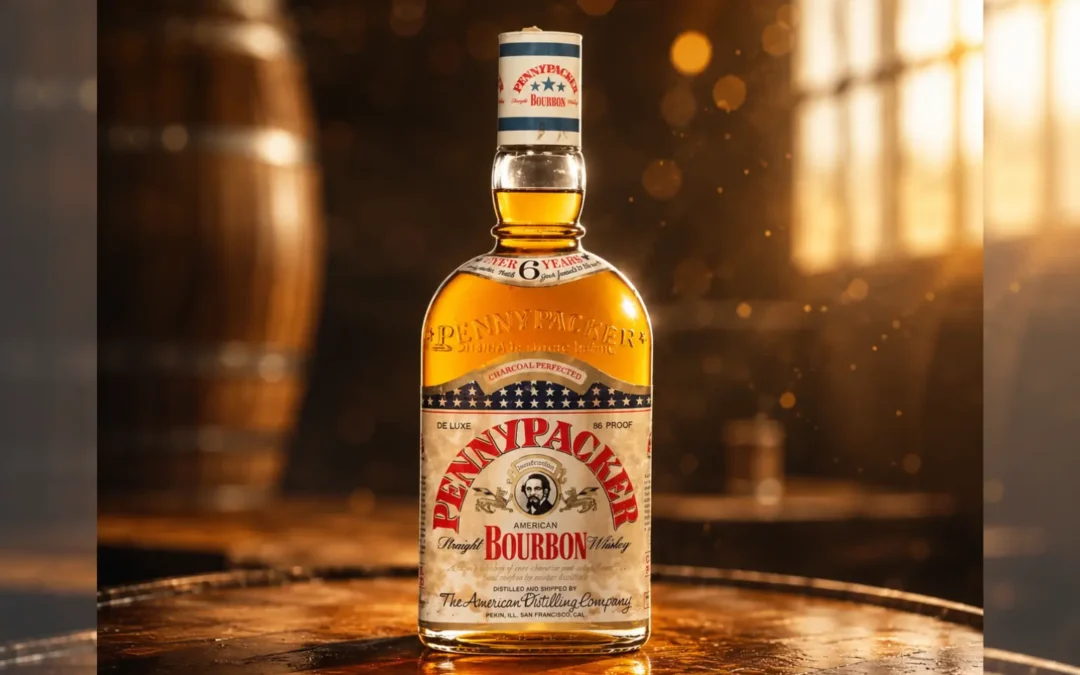
For anyone beginning to explore American whiskey, understanding the differences between styles, flavors, and aging methods can make the experience much more enjoyable. Bourbon Whiskey has a distinctive identity, shaped by specific production requirements, carefully selected grains, charred oak barrels, and time. While every bottle can offer something different, learning the basics makes it easier to understand what is in the glass and why it tastes the way it does. If you want the bigger picture first, our complete guide to whisky types breaks down every major style, from bourbon to scotch to rye.
What Makes Bourbon Different?
Bourbon is an American whiskey with a defined set of production standards. To qualify as bourbon, the spirit must be made in the United States and produced from a grain mixture containing at least 51% corn.
It must also be aged in new, charred oak containers. The spirit enters the barrel at no more than 125 proof and is bottled at a minimum of 80 proof.
These requirements create a recognizable foundation, but they do not make every bottle taste the same. Producers can change the grain mixture, barrel location, aging period, proof, and production techniques to create different profiles.
The Importance of the Mash Bill
The mash bill is the recipe of grains used to make the whiskey.
Corn is always the dominant grain in bourbon, but producers typically combine it with other grains such as rye, wheat, and malted barley.
High-Rye Bourbon
A higher percentage of rye can contribute spicy, peppery, herbal, or slightly dry characteristics. These expressions are often appealing to drinkers who prefer a more energetic flavor profile.
Wheated Bourbon
Wheated bourbon replaces rye with wheat as the secondary grain. Wheat can produce a softer and rounder character, often accompanied by sweet, smooth flavors.
Traditional Bourbon
Traditional recipes commonly use corn alongside rye and malted barley. Depending on the producer and proportions, these bourbons can balance sweetness with spice.
The mash bill is therefore one of the first details worth considering when choosing a bottle.
Understanding Bourbon Flavors
Flavor is one of the most enjoyable parts of exploring whiskey. Because bourbon relies heavily on corn and new charred oak, sweetness and oak-derived notes are common.
You may encounter flavors such as:
- Vanilla
- Caramel
- Brown sugar
- Toasted oak
- Baking spices
- Dried fruit
- Nuts
- Chocolate
- Citrus
- Pepper
- Leather
However, no two bottles necessarily taste identical. The grain combination, barrel characteristics, warehouse conditions, age, and proof can all influence the final profile.
Where Do the Flavors Come From?
The ingredients provide the foundation, but the barrel plays an enormous role.
New charred oak can contribute compounds associated with vanilla, caramel, toast, spice, and other flavors. During aging, the whiskey interacts with the wood as it moves in and out of the barrel due to changes in temperature.
This interaction gradually develops the spirit.
The length of aging matters, but older does not automatically mean better. Some whiskeys reach an appealing balance relatively early, while others benefit from additional time in oak.
Why Aging Matters
Aging is one of the defining characteristics of American whiskey production.
When freshly distilled spirit enters a new charred oak barrel, it is relatively intense and unfinished. Over time, the interaction between spirit and wood changes its aroma, flavor, color, and texture.
As the whiskey matures, it can become more rounded and complex. Oak influence may become increasingly noticeable, while certain sharper characteristics can soften.
However, aging involves balance. Too little oak influence may leave a whiskey tasting young or aggressive, while excessive oak can dominate the underlying spirit.
Does Older Mean Better?
Age statements can attract attention, but they should not be treated as a simple quality ranking.
A 12-year-old bottle is not automatically superior to a well-made 6-year-old expression. The ideal aging period depends on factors including barrel conditions, warehouse environment, and the producer’s goals.
Longer aging generally means more time for interaction with oak, but more oak is not always desirable.
For beginners, it can be useful to taste bottles from different age ranges and compare how their flavors and textures change.
What Is Barrel Proof?
Proof refers to the alcohol strength of a whiskey.
Most bottles are diluted with water before bottling to reach a desired proof. Barrel-proof or cask-strength expressions are generally bottled with little or no dilution after maturation. Higher-proof whiskey can deliver stronger flavors and a more intense mouthfeel. It can also be diluted with a small amount of water to explore how the aroma and flavor change.
When trying Bourbon Whiskey at higher proof, beginners may want to start with smaller pours and experiment gradually.
Straight Bourbon and Other Labels
Understanding common terminology makes whiskey shopping easier.
Straight Bourbon
Straight bourbon generally refers to bourbon aged for at least two years and meeting the applicable production requirements.
Bottled in Bond
Bottled-in-bond bourbon follows specific requirements involving production, aging, proof, and labeling. Among other requirements, it must be aged for at least four years and bottled at 100 proof.
Small Batch
“Small batch” is commonly used by producers to describe a selected quantity of barrels. However, there is no single universal legal definition that establishes exactly how many barrels constitute a small batch.
Single Barrel
A single-barrel expression comes from one barrel rather than being blended from multiple barrels. This can make individual bottles more distinctive because barrel characteristics can vary.
How to Taste Bourbon
Tasting does not require complicated equipment.
Start by pouring a small amount into a suitable glass. Observe the color, then smell the whiskey before tasting it.
Take a small sip and allow it to move across your palate.
Pay attention to:
- Aroma: What do you smell first?
- Entry: What flavors appear immediately?
- Texture: Is it light, rich, oily, or dry?
- Development: Does the flavor change?
- Finish: How long do the flavors remain?
Adding a few drops of water can also reveal different aromas and soften the alcohol sensation.
Choosing Your First Bottle
There is no single best bottle for every drinker.
If you enjoy sweeter flavors, a wheated expression may be worth exploring. If you prefer spice, a high-rye recipe could be more appealing. Proof is another consideration. Lower-proof bottles can be approachable for beginners, while higher-proof expressions may offer greater intensity. Penny Packer Bourbon Whiskey, bottled at 80 proof, is a solid example of an easy-sipping bottle for newcomers who want approachability without sacrificing character.
Price should not be the only guide. A moderately priced bottle can provide an excellent introduction to the category.
How to Store Bourbon
Once bottled, whiskey does not mature in the same way it does inside a barrel.
Keep bottles upright rather than laying them horizontally. Store them away from direct sunlight and extreme temperature changes. If a bottle is nearly empty, prolonged exposure to air can gradually affect its character. For special bottles, transferring the remaining whiskey into a smaller sealed bottle can reduce the amount of air inside.
Proper storage helps preserve the spirit’s existing qualities.
Bourbon and Food Pairings
The rich flavors found in bourbon can work well with a variety of foods.
Sweet and oak-forward expressions can complement desserts containing chocolate, caramel, or nuts. Spicier expressions can work nicely with grilled meats, smoked foods, or dishes containing warming spices. Cheese can also create interesting combinations, particularly stronger or aged varieties.
Pairing is ultimately about balance. The food and whiskey should complement rather than overpower one another.
Building Your Knowledge
Learning about Bourbon Whiskey becomes easier through comparison.
Instead of trying many unrelated bottles, compare expressions based on one characteristic at a time. Try a traditional mash bill beside a wheated bourbon. Compare different proof levels. Taste younger and older expressions.
Keep simple tasting notes. Record aromas, flavors, proof, age, and your overall impression.
Over time, patterns will emerge, making it easier to identify your personal preferences.
Common Beginner Mistakes
New drinkers sometimes assume expensive bottles are automatically better. Others focus heavily on age statements or proof without considering the overall flavor profile.
Another common mistake is drinking too quickly.
Whiskey is designed to be explored. A small pour, slower tasting, and occasional water can reveal much more than simply taking a large sip.
Most importantly, avoid treating someone else’s favorite style as a rule for your own preferences.
Exploring Bourbon With Confidence
There is a lot to discover, but learning the fundamentals provides a strong starting point. The grain recipe influences the foundation, barrels shape much of the flavor, and aging helps develop complexity.
Bourbon Whiskey can range from soft and sweet to spicy, rich, fruity, woody, or intensely robust. That variety is part of what makes the category so interesting.
The best approach is to remain curious. Taste different styles, compare bottles, learn the terminology, and pay attention to what you actually enjoy.
Ultimately, understanding bourbon is less about memorizing rules and more about developing your palate. Once you understand how mash bills, barrels, aging, proof, and production choices influence the spirit, every tasting becomes an opportunity to learn something new.



Recent Comments