


Whisky types vary according to where they are made, the grains used, production methods, maturation, and blending techniques. From smoky Scotch and sweet bourbon to spicy rye and delicate Japanese whisky, each style offers a distinct experience.
For beginners, the sheer number of options can make whisky seem complicated. However, understanding a few key categories makes it much easier to navigate bottles, menus, and tasting notes. This guide explores the major styles, what defines them, and how to choose one based on your preferences.
What Are the Main Whisky Styles?
The major Whisky types include Scotch whisky, Irish whiskey, American whiskey, Canadian whisky, Japanese whisky, bourbon, rye whiskey, Tennessee whiskey, single malt, single grain, and blended whisky.
These categories can overlap. For example, bourbon is an American whiskey style, while single malt describes how a whisky is produced rather than simply where it comes from.
The most useful factors to consider are:
- Country or region of origin
- Grain composition
- Distillation method
- Maturation
- Cask type
- Blending
- Flavor profile
Scotch Whisky
Scotch whisky is produced in Scotland under specific legal requirements. It must be matured in oak casks in Scotland for at least three years.
Scotch can be made from malted barley, other cereals, or a combination of grains, depending on its category.
Scotch whisky is commonly divided into five categories:
- Single malt Scotch
- Single grain Scotch
- Blended Scotch
- Blended malt Scotch
- Blended grain Scotch
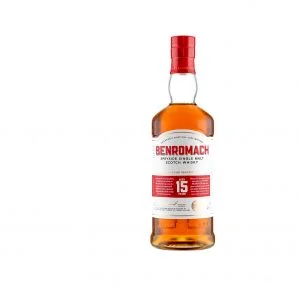
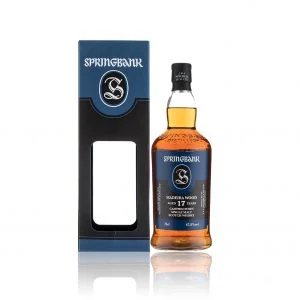
Its flavor can range from light and floral to rich, fruity, spicy, or heavily smoky. If you’re looking to explore this category further, browse our full range of Scotch whisky, from Highland to Islay expressions.
Single Malt Scotch
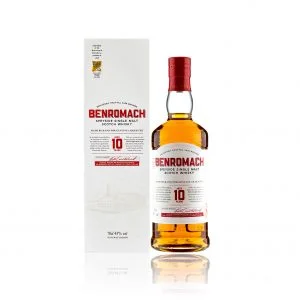
Single malt Scotch is made at one distillery using malted barley and pot stills.
The term “single” refers to the distillery, not a single barrel. A single malt can contain whisky from multiple casks as long as the whisky comes from the same distillery.
Blended Scotch
Blended Scotch combines malt whisky and grain whisky from different distilleries.
Blending allows producers to create balanced and consistent flavor profiles. A well-made blend can be complex and enjoyable while offering a different experience from a single malt.
Irish Whiskey
Irish whiskey is produced on the island of Ireland and includes several distinctive categories.
The primary styles include:
- Single malt
- Single pot still
- Single grain
- Blended Irish whiskey
Irish whiskey is often associated with smooth, approachable flavors, although the category includes plenty of variety. Discover the smooth character of Irish whiskey in our dedicated collection.
Single Pot Still Irish Whiskey
Single pot still whiskey is a particularly distinctive Irish style. It traditionally uses both malted and unmalted barley and is distilled in pot stills at one distillery.
The result can feature creamy textures, spice, fruit, and complex grain character.
American Whiskey
American whiskey encompasses several major styles, including bourbon, rye whiskey, Tennessee whiskey, corn whiskey, wheat whiskey, and American single malt.
Among the most recognized Whisky types in the American category are bourbon and rye whiskey.
The grain recipe is especially important because it can strongly influence the resulting flavor. Explore our American whiskey collection, featuring bourbon, rye, and beyond.
Bourbon
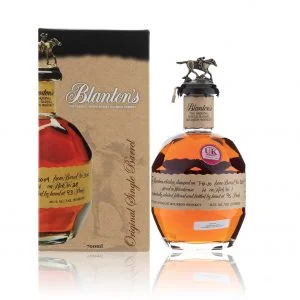
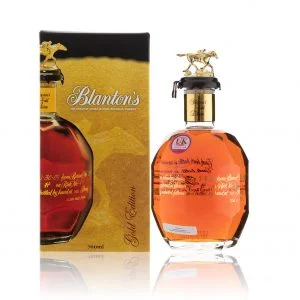
Bourbon is an American whiskey containing at least 51% corn in its mash bill. It is matured in new, charred oak containers and must meet additional legal requirements.
Bourbon commonly displays notes of:
- Vanilla
- Caramel
- Oak
- Toffee
- Baking spice
- Dried fruit
Its character can vary significantly depending on the grain recipe, barrel, maturation environment, and production techniques.
What Is a Bourbon Mash Bill?
A mash bill is the combination of grains used to produce a whiskey.
While corn must make up at least 51% of bourbon’s mash bill, producers can use other grains such as rye, wheat, and malted barley.
A higher rye content can produce a spicier profile, while wheat often contributes softer and sweeter characteristics. Shop our bourbon collection for rich, oak-driven American whiskey styles.
Rye Whiskey
American rye whiskey must contain at least 51% rye in its mash bill.
Rye is commonly associated with bold flavors such as:
- Black pepper
- Baking spice
- Herbs
- Citrus
- Toasted grain
Compared with many bourbon styles, rye whiskey can taste drier and more assertive.
Canadian whisky also has a long association with rye, although Canadian whisky and American rye whiskey are governed by different production and labeling requirements. Browse our American whiskey range to find bold, spice-forward rye expressions.
Tennessee Whiskey
Tennessee whiskey is produced in Tennessee and follows specific production traditions.
One well-known technique is the Lincoln County Process, which involves filtering the spirit through sugar maple charcoal before maturation.
This can contribute to a smoother character, although the overall flavor depends on numerous factors, including grain composition, distillation, barrels, and aging. Discover Tennessee-style whiskey within our American whiskey collection.
Canadian Whisky
Canadian whisky has a long history of blending and is often associated with approachable, versatile profiles.
It may contain grains such as corn, rye, wheat, and malted barley.
Canadian whisky can range from light and delicate to rich, spicy, and full-bodied, making it a broad category rather than a single flavor profile. Explore our Canadian whisky selection, known for its light and versatile profiles
Japanese Whisky
Japanese whisky developed with significant historical influence from Scotch whisky production. Over time, Japanese distilleries developed their own approaches to fermentation, distillation, blending, and maturation.
Japanese whisky is often associated with precision, balance, and carefully constructed flavor profiles.
Depending on the producer and style, it can feature delicate floral notes, fresh fruit, spice, oak, or smoke. Browse our Japanese whisky collection, celebrated for precision and balance.
How Is Japanese Whisky Different From Scotch?
Japanese whisky shares some production traditions with Scotch but is not simply a copy of it.
Japanese producers have developed distinctive approaches to blending, maturation, and distillery character. The result is a broad category with both familiar and unique characteristics.
Single Grain Whisky
Single grain whisky is produced at a single distillery but can use grains other than, or in addition to, malted barley.
The word “grain” does not mean the whisky is made from only one grain. Instead, it distinguishes grain whisky from malt whisky within relevant production categories.
Single grain whisky can have a lighter, softer character and is an important component of many blends.
Blended Whisky
Blended whisky combines different whiskies to create a particular flavor profile.
Blending is not automatically an indication of lower quality. Skilled blenders can combine whiskies with complementary characteristics to create consistency, balance, and complexity.
A blend may include malt whisky and grain whisky depending on its category and country of production. Shop our blended whisky collection for balanced, expertly crafted flavour profiles.
Blended Malt Whisky
Blended malt whisky combines malt whiskies from two or more distilleries without adding grain whisky.
This approach allows producers to bring together different malt characteristics and create a distinctive overall profile.
Whisky by Grain
The grains used in whisky production can significantly influence flavor and texture.
Barley
Barley is particularly important in Scotch single malt and several traditional whisky styles.
Malted barley can contribute cereal, nutty, fruity, roasted, and malty characteristics.
Corn
Corn plays a major role in American whiskey, particularly bourbon.
It can contribute sweetness and help develop familiar vanilla, caramel, and oak-associated flavors during maturation.
Rye
Rye contributes spicy, peppery, herbal, and sometimes dry characteristics.
It is especially prominent in American rye whiskey and has played an important role in Canadian whisky.
Wheat
Wheat can create softer and gentler flavor profiles. Wheat-forward whiskey is often considered less spicy than rye-forward whiskey.
Whisky by Production Method
Production methods are another useful way to understand different Whisky types.
Pot Still Whisky
Pot still distillation is associated with traditional malt whisky and several regional styles.
It is generally used when producers want to preserve or develop rich and characterful spirit profiles.
Column Still Whisky
Column stills allow continuous distillation and are commonly used for grain whisky and various American whiskey production processes.
The still is only one part of the equation. Fermentation, distillation settings, cask maturation, and blending also influence the final spirit.
Whisky by Maturation
Maturation can have a major influence on whisky’s aroma, taste, texture, and color.
New Oak
New oak can contribute strong flavors such as vanilla, caramel, toasted wood, and spice.
Bourbon is particularly associated with new, charred oak maturation.
Sherry Casks
Some whiskies are matured or finished in casks associated with sherry.
These casks can contribute flavors such as dried fruit, nuts, spice, and richer sweetness.
Wine Casks
Wine cask finishing can introduce fruit, spice, tannin, and additional sweetness.
The final effect depends on the type of wine cask, maturation period, and underlying whisky.
Whisky by Flavor Profile
Flavor is one of the easiest ways to decide which style to try next.
Smoky and Peaty
Peated whisky can feature smoky, earthy, medicinal, maritime, or roasted notes.
Peat is especially associated with certain Scotch whiskies, but not every Scotch is smoky.
Fruity
Fruity whisky may offer notes of apple, pear, citrus, berries, raisins, or tropical fruit.
These characteristics can develop through fermentation, distillation, maturation, and cask selection.
Sweet
Sweet profiles can include vanilla, caramel, honey, toffee, chocolate, and dried fruit.
Oak maturation plays an important role in creating many of these flavors.
Spicy
Spicy whisky may feature pepper, cinnamon, cloves, ginger, or baking spices.
Rye-forward whiskies are particularly well known for spicy characteristics.
Light and Floral
Some whiskies are delicate and floral, with notes of flowers, citrus, fresh fruit, grass, and light grains.
These styles can be a good starting point for drinkers who prefer subtle flavors.
Whisky vs. Whiskey: What Is the Difference?
The terms “whisky” and “whiskey” largely reflect regional spelling conventions.
“Whisky” is commonly used in Scotland, Canada, and Japan, while “whiskey” is generally used in Ireland and the United States.
There are exceptions, so spelling should primarily be viewed as a regional convention rather than a strict distinction between spirits.
How Should You Choose a Whisky?
Choosing among different Whisky types becomes easier when you first consider the flavors you enjoy.
If you like smoky flavors, explore peated Scotch. If you prefer vanilla, caramel, and rich oak, bourbon may be a good option. Rye whiskey is worth trying if you enjoy spice and pepper.
For softer and approachable profiles, Irish whiskey or lighter Canadian whisky can be good choices. Japanese whisky may appeal to drinkers looking for balanced and carefully layered flavors.
A Quick Starting Guide
| If you enjoy… | Try exploring… |
| Smoke and earthy notes | Peated Scotch |
| Vanilla and caramel | Bourbon |
| Pepper and spice | Rye whiskey |
| Smooth, approachable profiles | Irish whiskey |
| Delicate, balanced flavors | Japanese whisky |
| Light, gentle profiles | Canadian whisky |
| Rich malt character | Single malt Scotch |
| Layered, balanced flavors | Blended whisky |
Frequently Asked Questions
What are the main types of whisky?
The major categories include Scotch whisky, Irish whiskey, American whiskey, Canadian whisky, and Japanese whisky, along with styles such as bourbon, rye, single malt, and blended whisky.
Which whisky is best for beginners?
There is no universal answer, but bourbon, Irish whiskey, and lighter blended whiskies can be approachable options for beginners.
Is single malt better than blended whisky?
No. Single malt and blended whisky offer different experiences, and quality depends on production, maturation, blending, and personal taste.
Is bourbon a type of whisky?
Yes. Bourbon is a legally defined American whiskey style made with at least 51% corn in its mash bill.
Is all Scotch whisky smoky?
No. Scotch can be smoky, fruity, floral, sweet, spicy, malty, or delicate. Peated Scotch represents only one part of the category.
What is the smoothest whisky?
“Smooth” is subjective, but some Irish whiskies, lighter blends, and well-matured whiskies are often described as smooth and approachable.
Final Thoughts
Understanding Whisky types is a useful first step toward exploring the wider world of whisky. Country of origin, grain composition, distillation, maturation, cask selection, blending, and flavor profile all contribute to what ends up in the glass.
Scotch offers an enormous range of malt and blended styles. Irish whiskey brings distinctive pot still traditions. American whiskey includes bourbon, rye, and Tennessee whiskey, while Canadian whisky has its own long-standing blending heritage. Japanese whisky combines historical Scotch influence with its own distinctive production approaches.
Rather than searching for one universally “best” style, explore different categories and pay attention to what you enjoy. Start with familiar flavors, then experiment with new regions, grains, cask types, and production methods.
The world of whisky is remarkably diverse, and understanding its major categories makes every tasting more informative and enjoyable.



Recent Comments