

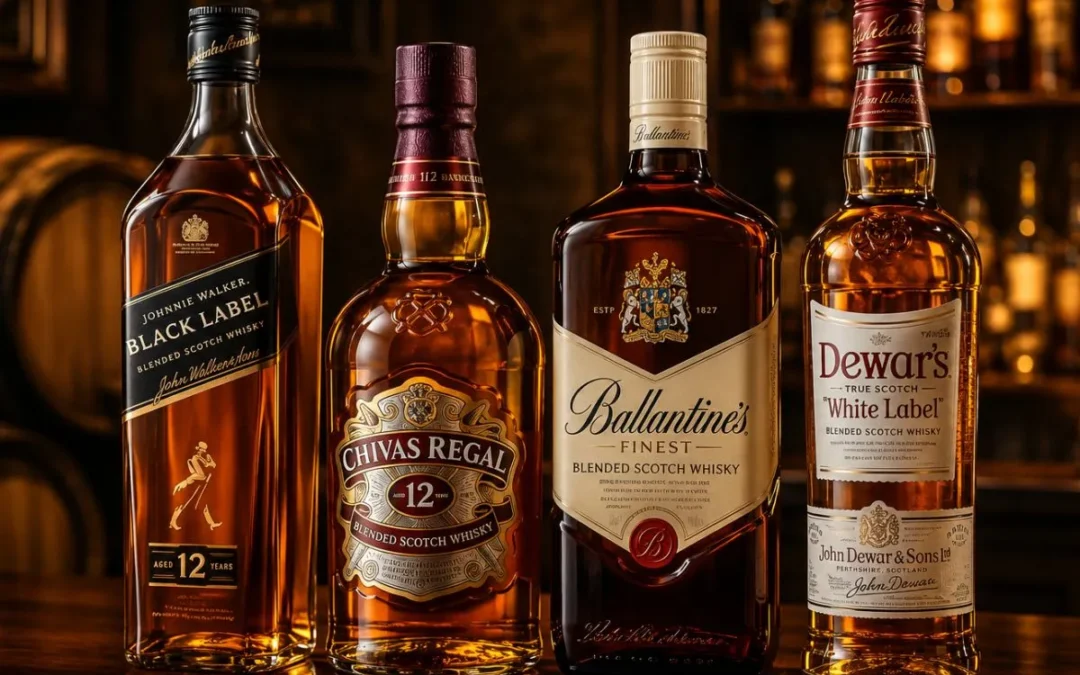
If you’ve ever browsed a whisky shelf and felt overwhelmed by labels reading “single malt,” “blended,” or “straight bourbon,” you’re not alone. Among all the categories, blended whisky remains one of the most misunderstood — yet it’s also one of the most approachable, versatile, and widely enjoyed styles in the world. Whether you’re a curious newcomer or someone looking to deepen your whisky knowledge, this guide covers everything you need to know about blended whisky: what it is, how it’s made, why it matters, and how to choose a bottle you’ll actually enjoy.
What Is Blended Whisky?
At its core, blended whisky is exactly what the name suggests — a whisky created by combining two or more different whiskies, often from multiple distilleries, casks, or grain types. Unlike single malt whisky, which must come from one distillery and be made entirely from malted barley, blended whisky can include a mix of malt whiskies and grain whiskies, carefully balanced by a master blender to achieve a specific flavor, aroma, and finish.
This blending process isn’t about cutting corners. It’s a craft in itself. Master blenders spend years — sometimes decades — learning how different whiskies interact with one another, selecting casks that complement rather than compete, and building a consistent flavor profile that drinkers can recognize and trust bottle after bottle.
How Blended Whisky Is Made
The process typically starts with grain whisky, which is lighter and more neutral in flavor, and malt whisky, which brings richness, depth, and character. A blender might combine whisky from a dozen or more distilleries, each contributing something unique — smokiness from one, sweetness from another, spice from a third. The goal is harmony, not domination by any single flavor.
Once blended, the whisky is usually left to rest and “marry” in oak casks for a period of time. This marrying process allows the individual components to integrate fully, softening any rough edges and creating a smoother, more unified final product. The result is a whisky that’s often more approachable than a single malt, with a flavor profile designed for balance rather than intensity.
Why Choose Blended Whisky?
There’s a common misconception that blended whisky is somehow “lesser” than single malt. In reality, some of the most celebrated and best-selling whiskies in the world are blends, and many whisky drinkers — including seasoned connoisseurs — prefer them for good reason.
Consistency: Because blenders work to a defined flavor profile, you know what you’re getting every time you pick up a bottle.
Approachability: Blended whisky tends to be smoother and more balanced, making it an excellent starting point for anyone new to whisky.
Versatility: Its balanced character makes blended whisky a fantastic base for classic cocktails like the Old Fashioned, Whisky Sour, or a simple whisky and soda, without overpowering other ingredients.
Value: Many high-quality blends offer excellent flavor at a more accessible price point than aged single malts.
How to Taste Blended Whisky
Tasting blended whisky is much like tasting any fine spirit — it rewards a little patience. Start by pouring a small measure into a tulip-shaped glass, which helps concentrate the aromas. Give it a gentle swirl and take in the nose before your first sip. You might notice notes of vanilla, caramel, toasted oak, dried fruit, or a light smokiness, depending on the blend.
When you taste it, let the whisky sit on your palate for a moment before swallowing. Pay attention to how the flavors evolve — from the initial sweetness to the mid-palate spice to the finish. A well-crafted blend will show balance at every stage, rather than one flavor dominating the entire experience.
Adding a few drops of water can also help “open up” the whisky, releasing additional aromas and softening the alcohol’s intensity — a common practice even among experienced tasters.
Popular Styles of Blended Whisky
Blended whisky isn’t limited to one country or category. Scotch blends are among the most famous globally, combining malt and grain whiskies from various Scottish distilleries. If you’d like to go deeper into this tradition — including regional styles, classification rules, and how Scotch is aged — our Scotch Whisky Guide walks through everything you need to know. American blended whiskies often incorporate straight bourbon or rye with lighter grain spirits, resulting in a distinct, slightly sweeter profile. Irish and Canadian blends bring their own regional characteristics, often prized for their smoothness and easy-drinking style.
Each region’s blending traditions reflect local ingredients, climate, and centuries of craftsmanship — which means there’s a blended whisky out there to suit almost any palate or occasion.
Choosing Your First Bottle
If you’re new to blended whisky, start with something well-balanced and moderately priced before exploring more complex or premium expressions. Pay attention to proof (alcohol strength), age statement (if listed), and tasting notes provided by the distillery or retailer. Don’t be afraid to ask questions or read reviews — part of the joy of whisky is discovering what you personally enjoy.
If you’re ready to try one for yourself, browse our full range of blended whisky to find a bottle that matches your taste and budget, whether you’re buying for your own bar or as a gift.
Final Thoughts
Blended whisky is a category built on skill, patience, and the art of balance. Far from being a compromise, it represents some of the most thoughtfully crafted spirits available today. Whether you’re sipping it neat, on the rocks, or mixed into a classic cocktail, a well-made blended whisky offers a rewarding and consistently enjoyable experience — one that’s earned its place on bars and shelves around the world.



Recent Comments