

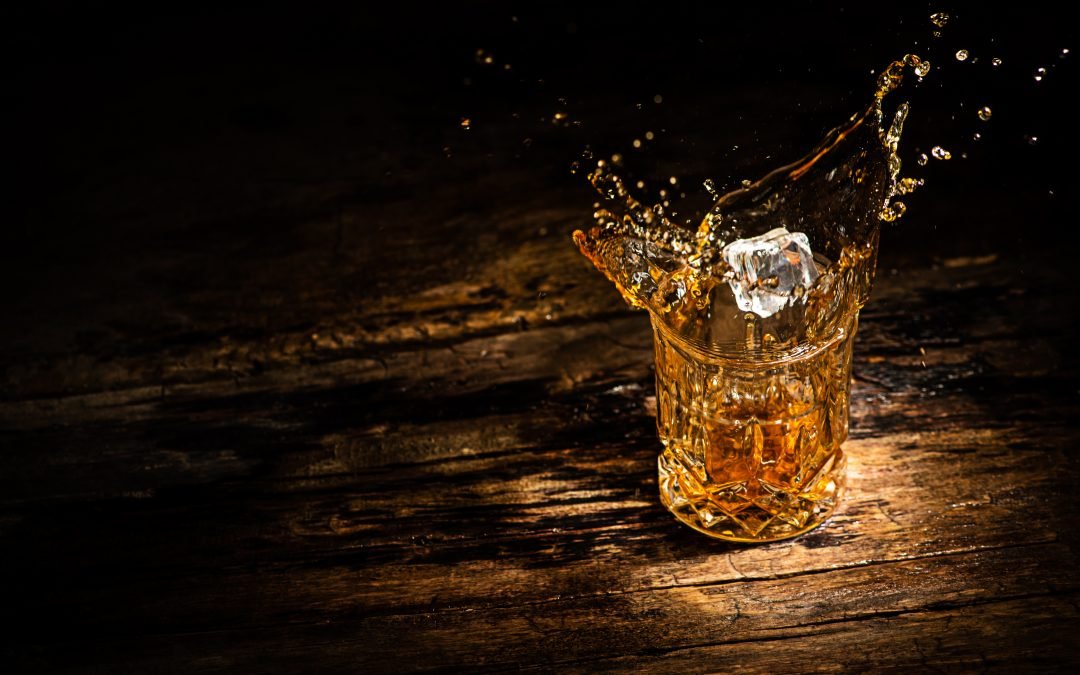
If you’ve ever stood in front of a well-stocked bar or browsed a liquor store, you’ve likely noticed a small but curious detail, some bottles are labeled “whisky,” while others read “whiskey.” At first glance, it might seem like a simple spelling variation. But in the world of spirits, this single letter carries history, geography, and identity.
So, does it actually make a difference? The answer lies in understanding where these spirits come from and how they are crafted.
A Tale of Two Spellings
The difference between “whisky” and “whiskey” is largely geographical. Scotland, Canada, and Japan use “whisky,” while Ireland and the United States prefer “whiskey.”
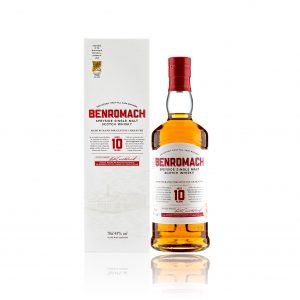
This distinction reflects tradition and heritage. Scottish distilleries, including globally recognized names like Macallan and Benromach, have long upheld the “whisky” spelling as part of their identity. Meanwhile, Irish and American producers retained “whiskey” to distinguish their products historically.
Scotland’s Influence on “Whisky”
Scotland’s whisky-making legacy is deeply rooted in its regions, each offering distinct flavor profiles. Among the most celebrated is Speyside Scotch, known for its smooth, elegant, and often fruity character. Many iconic distilleries, including Macallan and Benromach, originate here, shaping the global perception of Scotch whisky.
In contrast, regions like Campbeltown offer a more robust and maritime-influenced profile, while Islay whisky is famous for its bold, smoky, and peaty flavors. These regional differences highlight that while the spelling “whisky” remains consistent, the taste experience can vary dramatically.
The Irish and American “Whiskey”
The “whiskey” spelling is closely tied to Irish heritage. Irish distillers introduced the extra “e” as a way to differentiate their smoother, triple-distilled spirit from Scotch.
When Irish immigrants brought their craft to the United States, the spelling followed. Today, American whiskey—especially bourbon and rye—has its own identity, shaped by ingredients and aging processes rather than spelling alone.

Bladnoch 30 Years Old
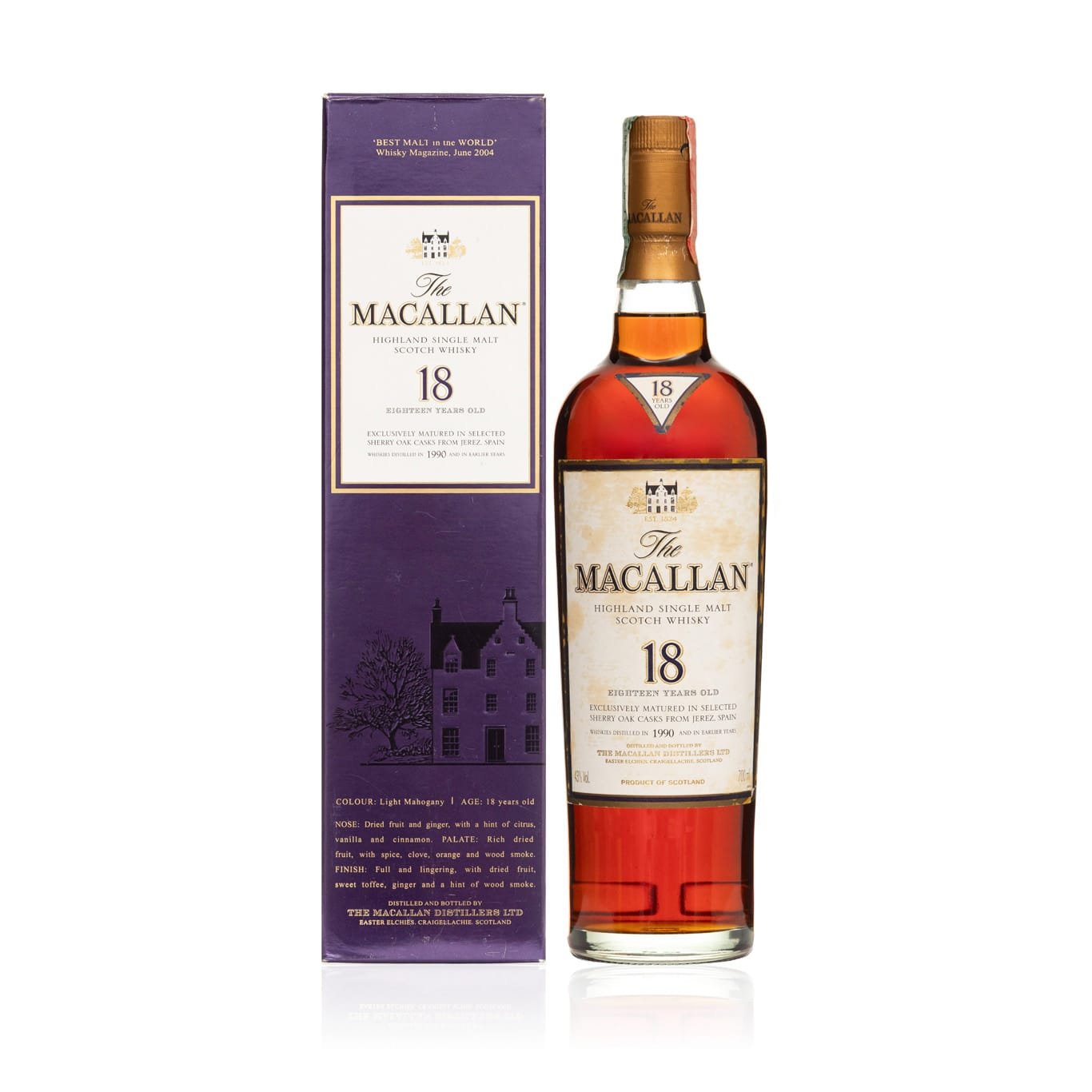
Macallan 18 Year Old 1990
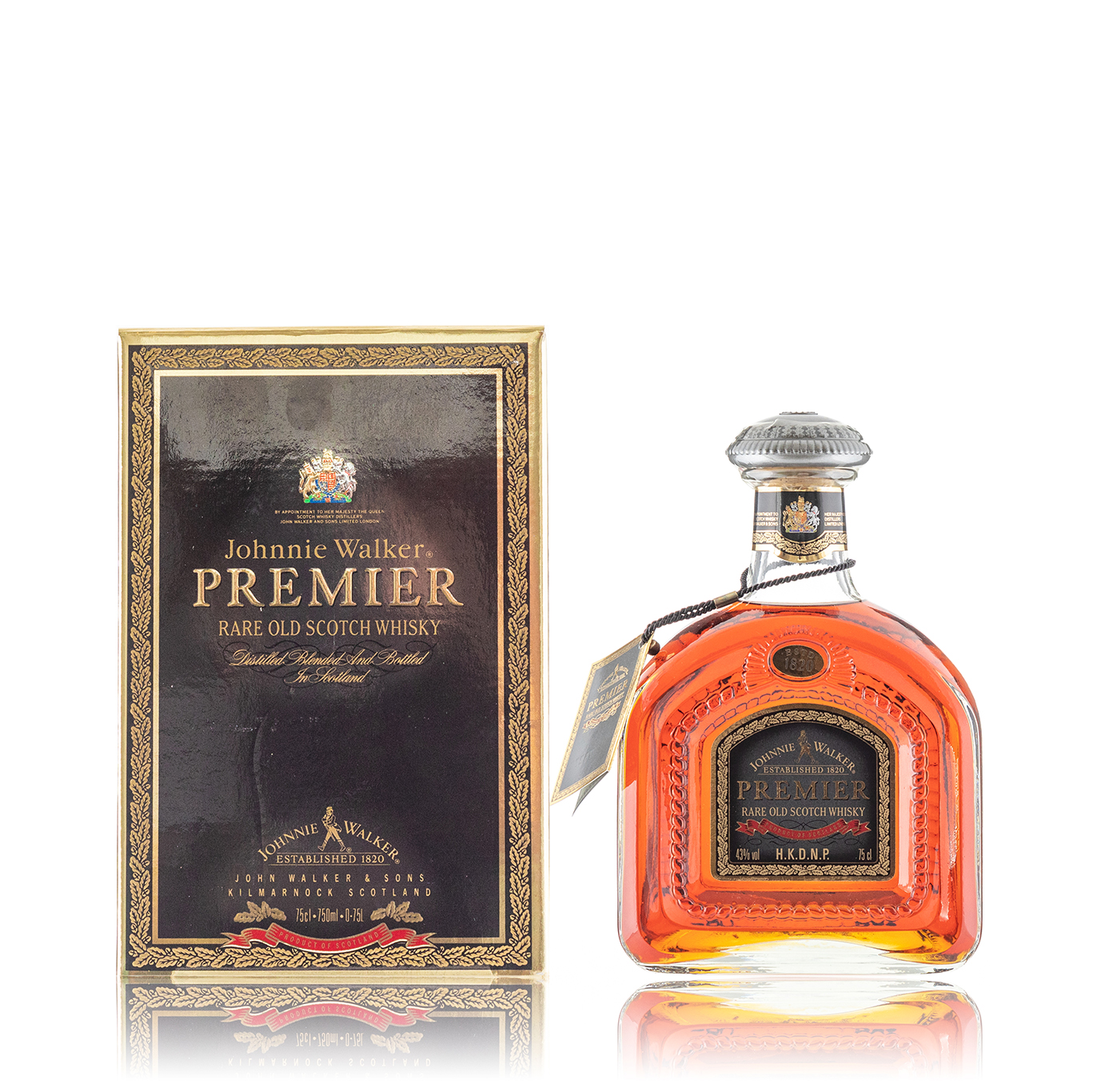
Johnnie walker premier
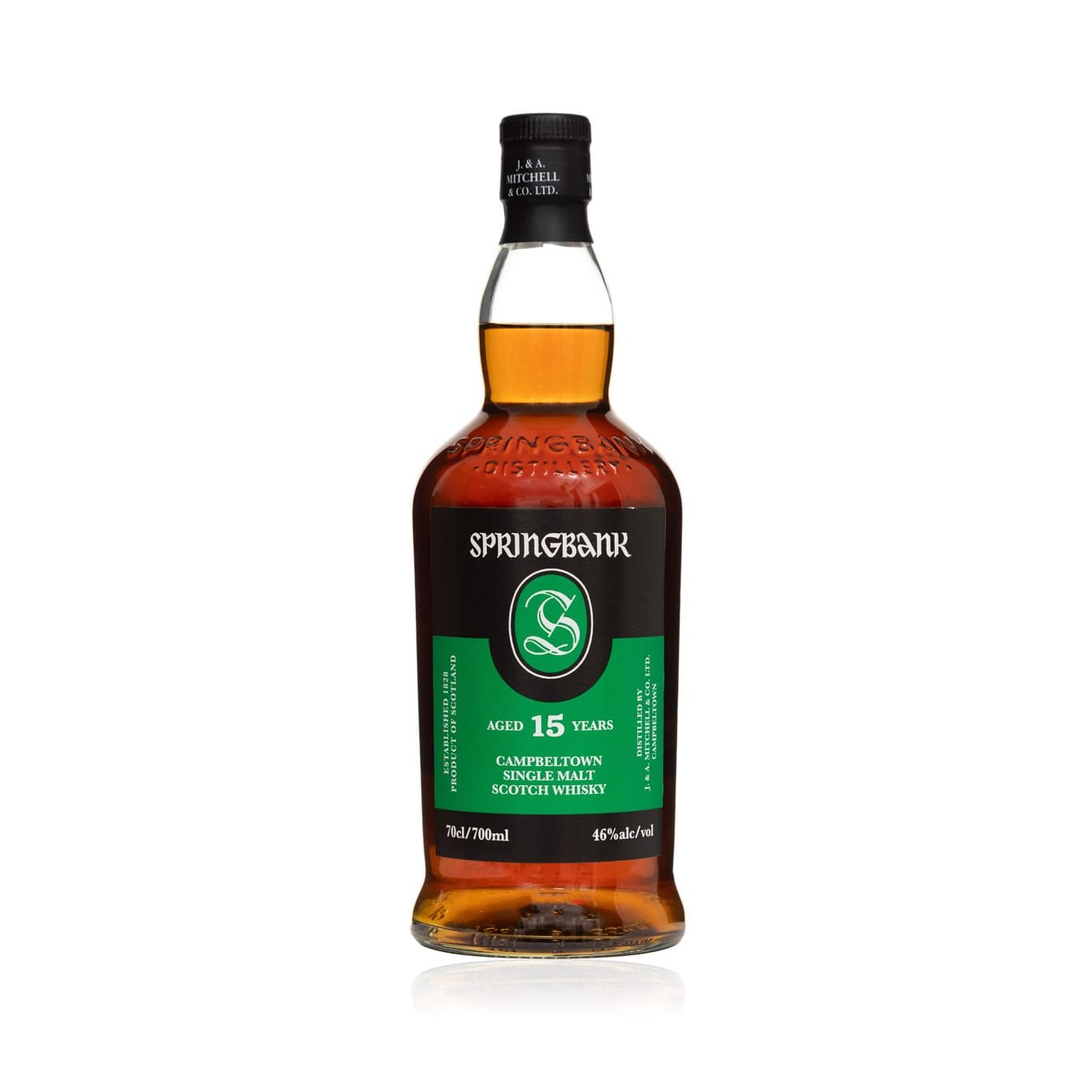
Springbank 15 Year Old – 2025 Release
Does Spelling Affect Taste?
Technically, no—the spelling itself doesn’t change the flavor. However, it acts as a signal for production style and origin.
For example:
- Scotch whisky (without the “e”) often emphasizes complexity, with influences from oak aging and regional characteristics.
- Irish whiskey (with the “e”) is typically lighter and smoother.
- American whiskey often leans toward sweeter, fuller-bodied profiles due to its grain composition.
So while the spelling doesn’t directly impact taste, it guides you toward a certain style and expectation.
Craftsmanship and Regional Identity
What truly defines whisky or whiskey is craftsmanship. From the grains used to the distillation process and aging conditions, every step contributes to the final product.
In regions like Speyside, distilleries focus on balance and refinement. In Islay, the emphasis is on boldness and peat smoke. Campbeltown, once a thriving whisky hub, now offers unique, character-driven expressions that appeal to enthusiasts seeking something different.
Brands like Macallan have built a reputation on precision and quality, while Benromach is celebrated for maintaining traditional methods in a modern world. These producers demonstrate that identity in whisky goes far beyond spelling—it’s about heritage, process, and consistency.
A Global Perspective
Today, whisky and whiskey are enjoyed across the globe, with new regions contributing their own interpretations. Despite this expansion, traditional distinctions remain important for enthusiasts and newcomers alike.
The spelling continues to serve as a subtle guide, helping consumers navigate a diverse and ever-growing market. Whether you’re drawn to the elegance of Speyside Scotch or the intensity of Islay whisky, there’s a world of flavors waiting to be explored.
So, Does It Really Matter?
In practical terms, the difference between whisky and whiskey matters less than what’s in the glass. The spelling tells you where it comes from, but your personal preference determines what you enjoy.
Exploring different regions, styles, and brands is the best way to understand the nuances. Each bottle offers a unique experience shaped by tradition, environment, and craftsmanship.
Discover the Difference Yourself
The debate between “whisky” and “whiskey” is ultimately a celebration of diversity within the world of spirits. It’s a reminder that even the smallest details can carry centuries of history and culture.
If you’re looking to experience this diversity firsthand, The House of Whisky offers a curated selection that brings together some of the finest expressions from around the world. From the refined notes of Speyside Scotch to the bold character of Islay whisky, it’s a place where tradition meets discovery, helping you find the perfect bottle, no matter how it’s spelled.
In the end, whether it’s spelled whisky or whiskey often depends on tradition, region, and production style — but both offer unique drinking experiences loved by enthusiasts worldwide. Whether you prefer whisky or whiskey, exploring a premium whiskey collection can help you discover the flavors, styles, and character that truly match your taste.
Showing 85–105 of 137 resultsSorted by popularity
-
Sale!

Springbank – 10 Year Old (Machrihanish Golf Club Exclusive Bottling)
Original price was: £399.99.£349.99Current price is: £349.99. Add to cart -
Sale!
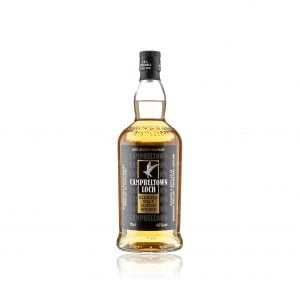
Campbeltown Loch
Original price was: £49.99.£45.00Current price is: £45.00. Add to cart -
Sale!
Chichibu 2013 Single Bourbon Cask #2661 / Sakaya
Original price was: £3,000.00.£2,500.00Current price is: £2,500.00. Add to cart -
Sale!
Hibiki Harmony 2021 -Limited Edition Design
Original price was: £800.00.£699.95Current price is: £699.95. Add to cart -
Sale!
Ardbeg 19 Year Old Traigh Bhan Batch 3
Original price was: £299.99.£274.99Current price is: £274.99. Add to cart -
Sale!
Bruichladdich 12 Year Old 2005 – Old Particular Douglas Laing
Original price was: £165.00.£155.00Current price is: £155.00. Add to cart -
Sale!
Laphroaig 1998 21 Year Old The Whisky Exchange
Original price was: £1,500.00.£1,200.00Current price is: £1,200.00. Add to cart -
Sale!
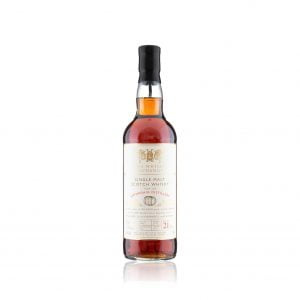
Campbeltown Loch 21 Year Old
Original price was: £299.99.£249.99Current price is: £249.99. Add to cart -
Sale!
Macallan Concept 3 Single Malt Scotch Whisky
Original price was: £375.00.£350.00Current price is: £350.00. Add to cart -
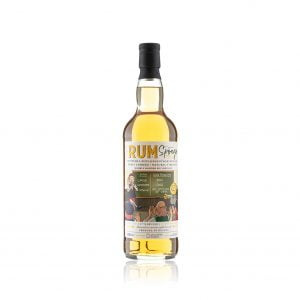
Port Mourant 1993 Rum Sponge 27 Year Old Edition No.2
£400.00 Add to cart -
Sale!
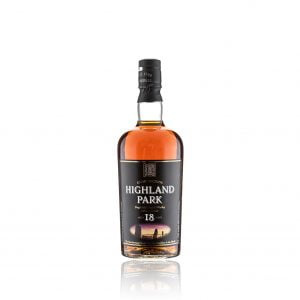
Highland Park 18 Year Old – Old Bottling
Original price was: £350.00.£299.99Current price is: £299.99. Add to cart -
Sale!
Speyside 1997 23 Year Old Thompson Bros
Original price was: £190.00.£155.00Current price is: £155.00. Add to cart -
Sale!
Gordon and Mapchail – Benrinnes 30 Years Old
Original price was: £625.00.£599.99Current price is: £599.99. Add to cart -
Sale!
Daftmill 2009 Summer Release
Original price was: £299.99.£279.99Current price is: £279.99. Add to cart -
Sale!
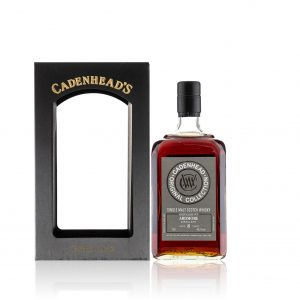
Ardmore 8 Year Old – Cadenhead’s Original Collection
Original price was: £100.00.£79.99Current price is: £79.99. Add to cart -
Sale!
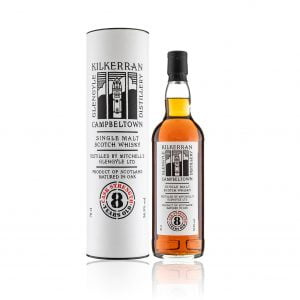
Kilkerran 8 Year Old Cask Strength Sherry Matured
Original price was: £299.95.£249.99Current price is: £249.99. Add to cart -
Sale!
Ardnamurchan AD/01.21:01
Original price was: £110.00.£99.99Current price is: £99.99. Add to cart -
Sale!
Benrinnes Cadenhead 11 Years Old
Original price was: £125.00.£100.00Current price is: £100.00. Add to cart -
Sale!
Longrow Peated – 2020
Original price was: £94.99.£70.00Current price is: £70.00. Add to cart -
Sale!
Laphroaig 1996 24 Year Old Single Malts Of Scotland
Original price was: £499.99.£449.99Current price is: £449.99. Add to cart -
Sale!
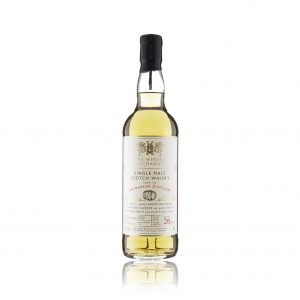
TWE Springbank 26 Year Old – 1993
Original price was: £899.99.£699.95Current price is: £699.95. Add to cart












Recent Comments