

No Results Found
The page you requested could not be found. Try refining your search, or use the navigation above to locate the post.
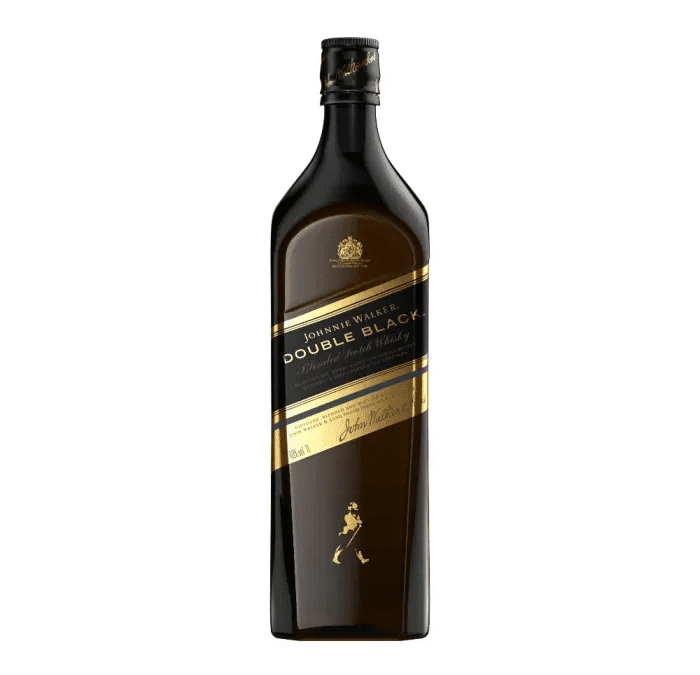
Johnnie Walker needs no introduction among the whisky lovers. For decades, Black Label has earned its reputation as a reliable, smooth, and globally loved whisky. But then came its bolder sibling, Double Black Label, a darker, smokier, more intense expression that takes everything people love about Black Label and elevates it to a higher level.
If you’ve ever wondered whether Double Black is genuinely worth the upgrade, the answer is simple: absolutely. While Black Label is a classic, Double Black is an experience, crafted for those who want depth, character, and complexity in every sip. Here’s a full breakdown of both, and why Double Black stands taller in almost every way.
Black Label – Black Label’s flavor is known for its balance. It’s approachable, smooth, slightly smoky, and easy to enjoy neat or in cocktails. With notes of vanilla, dried fruits, and light spice, it’s the whisky you recommend to someone just starting their Scotch journey.
Double Black Label – Now take that balance and add power. Double Black is crafted to be a deeper, richer version of Black Label. The smokiness is turned up, the flavors are more concentrated, and the finish is longer and more expressive.
Expect bold notes of:
If Black Label is the introduction, Double Black is the graduation, a whisky with attitude.

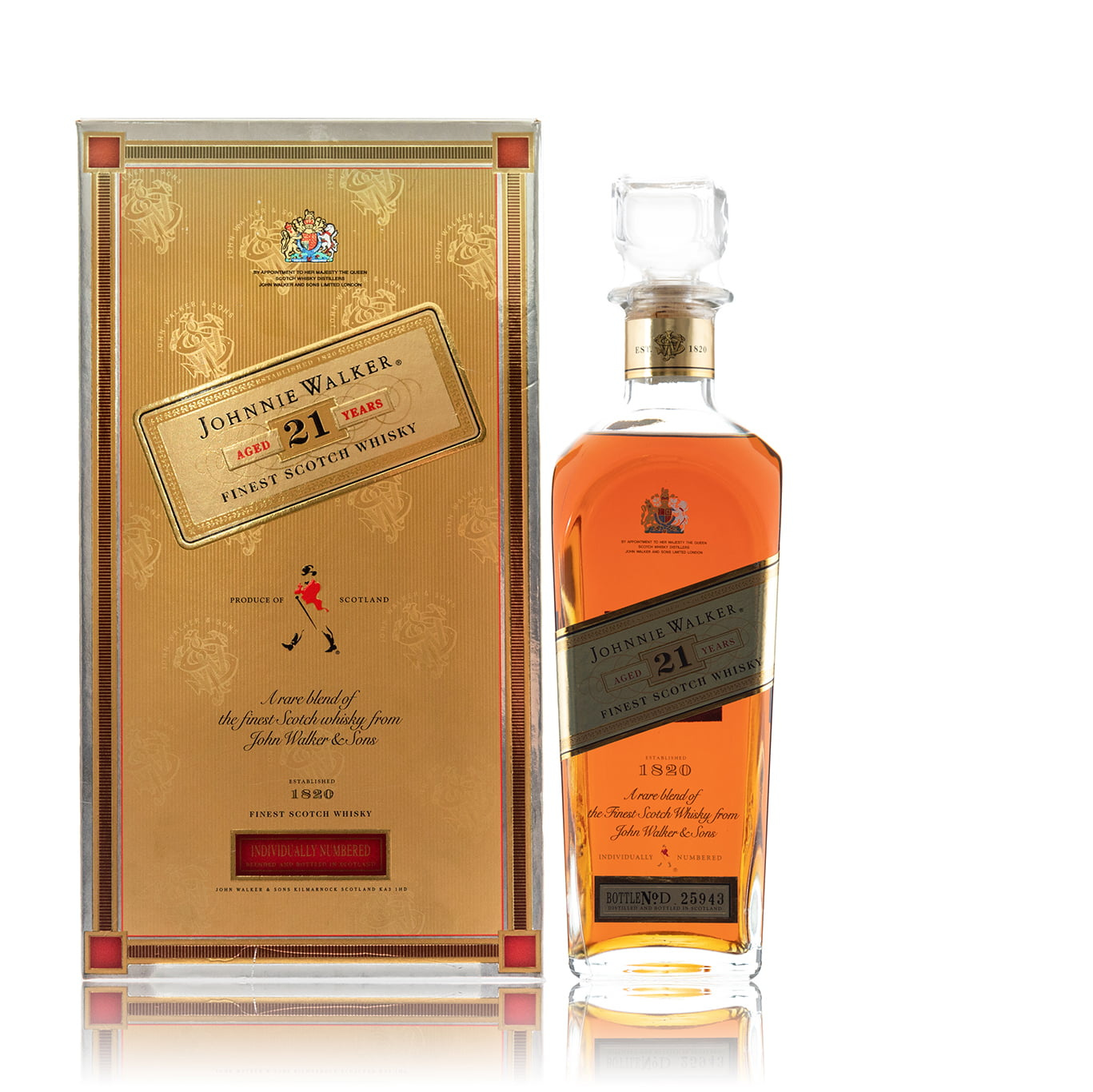
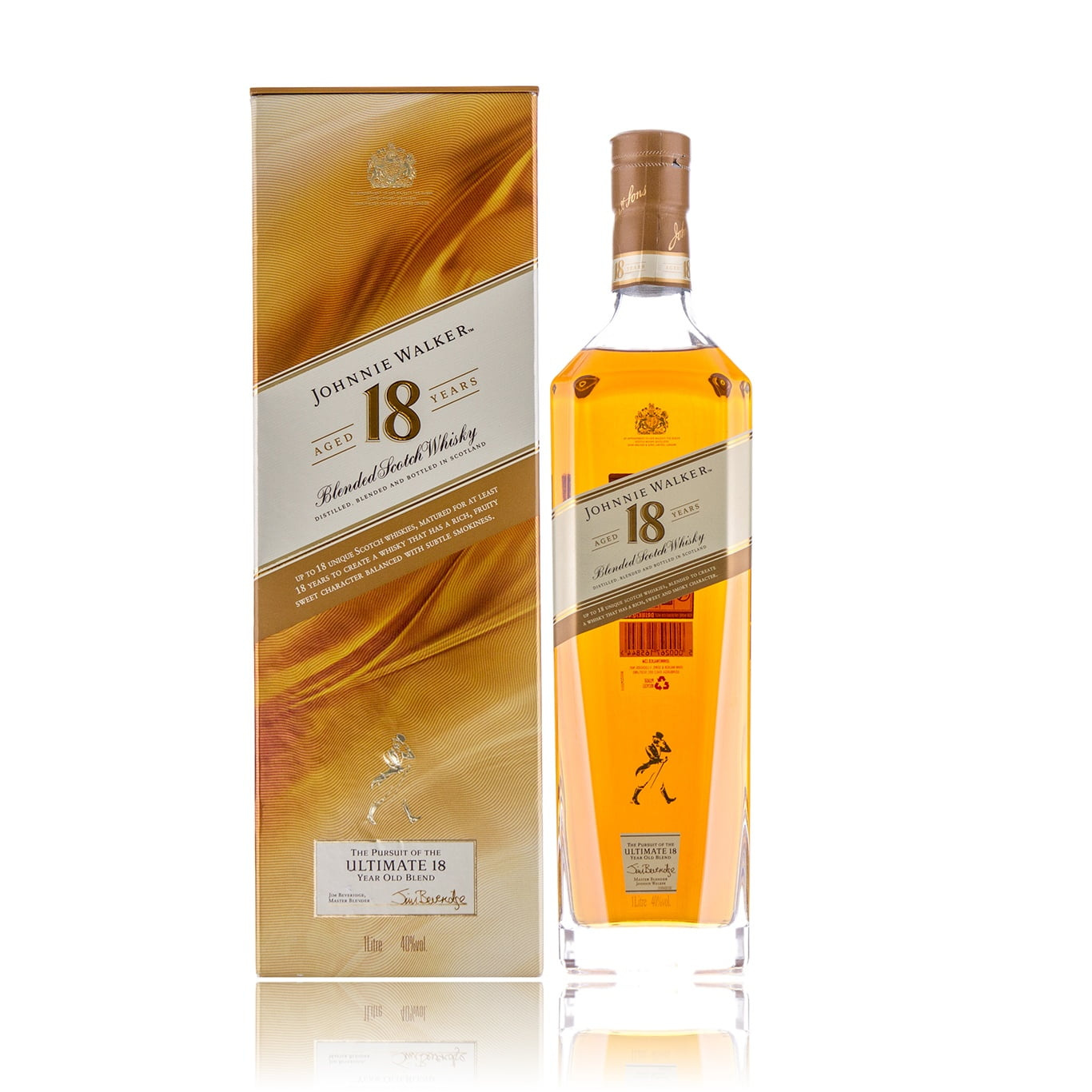
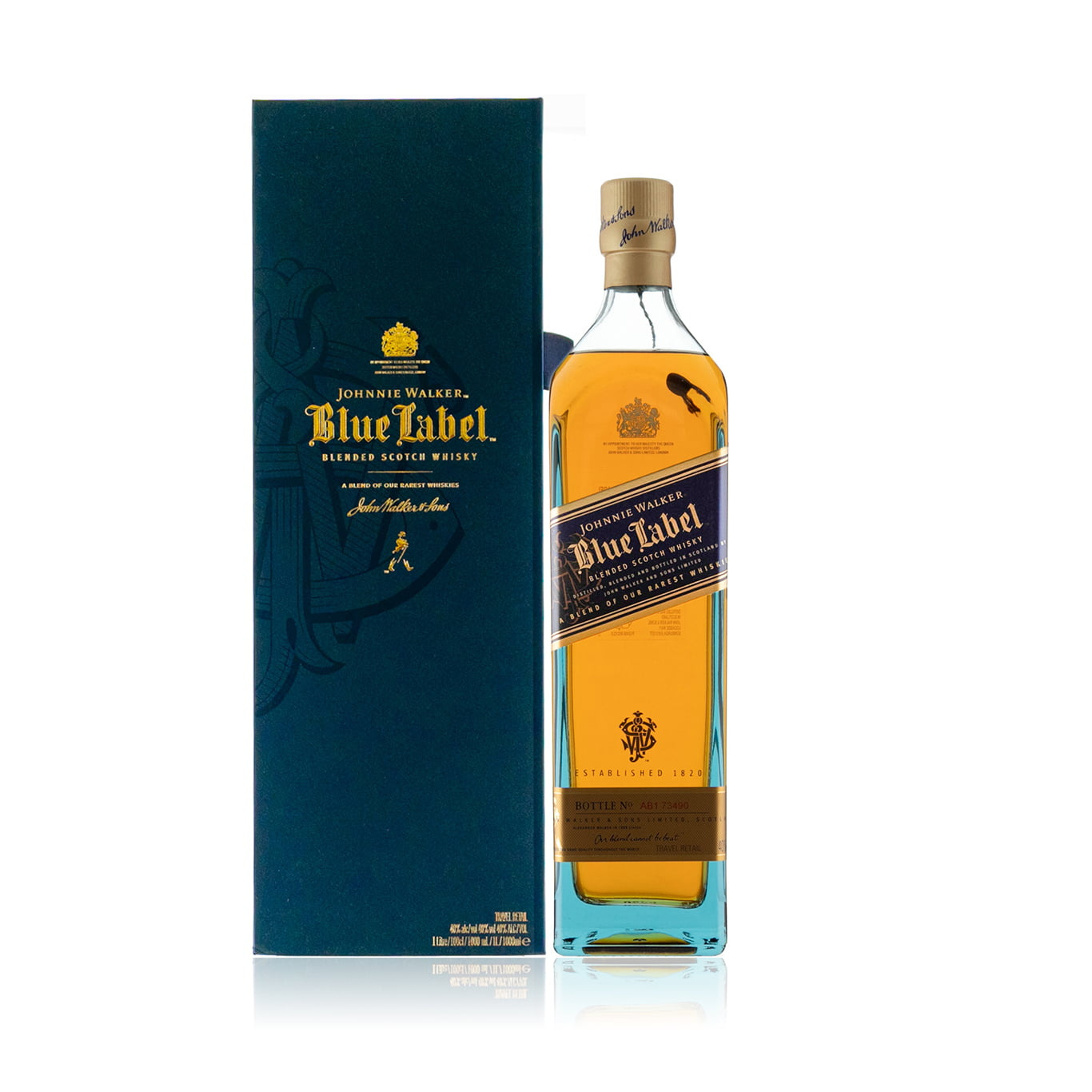


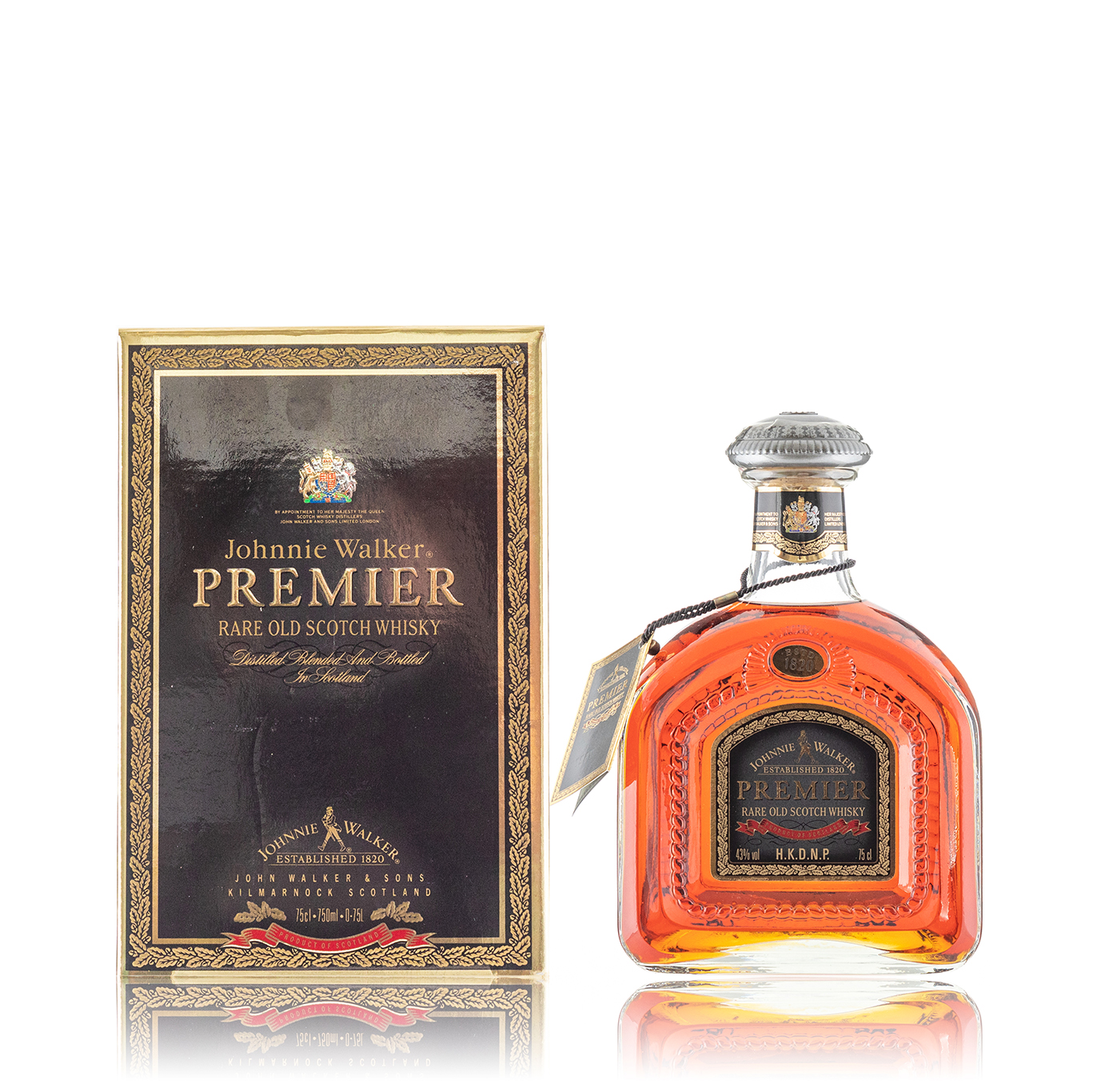
Black Label
Black Label is aged for 12 years using a blend of malt and grain whiskies from various Scottish regions. It’s expertly crafted, consistent, and dependable.
Double Black Label
Double Black uses the Black Label foundation but pushes the craftsmanship further. It incorporates:
These choices give Double Black its intense flavor and signature dark profile. It’s not simply “Black Label but smokier”, it’s Black Label re-engineered for boldness.
Black Label
The aroma is mild, offering hints of fruit, vanilla, and soft smoke, pleasant, but subtle.
Double Black Label
This is where Double Black Label makes an unforgettable first impression. The aroma is smoky, woody, and intense, with layers that reveal themselves gradually. It’s the scent of a campfire meeting caramel sweetness and ripe fruits. One whiff tells you you’re about to taste something special.
Black Label
Versatile and easy to drink, it works well neat, on the rocks, or in cocktails. It’s the reliable bottle you keep at home for casual evenings.
Double Black Label
While it can be used in cocktails, its complexity shines brightest neat or with a splash of water. It’s a whisky you savor slowly, ideal for gifting, celebrations, or evenings when you want something special.

Black Label
The finish is smooth, slightly smoky, and easy going. It fades without trying to dominate.
Double Black Label
The finish is long, warm, and deeply smoky. It leaves a lingering impression, a satisfying boldness that reminds you of its premium craftsmanship.
Black Label
Perfect for beginners or those who prefer mild, approachable whisky.
Double Black Label
Designed for people who appreciate complexity, smokiness, and a more intense whisky experience. It’s the bottle for people who want their drink to tell a story.
Double Black costs slightly more, but the difference is small, and the upgrade in flavor is significant. For a modest price jump, you get a much richer, more memorable whisky.
Black Label deserves its status as a timeless classic, but the Double one is simply better in every way that matters to a whisky lover.
Double Black isn’t just a stronger version of Black Label, it’s a refined, elevated blend that transforms the drinking experience. If you enjoy smoky whiskies or want to experience the next level of Johnnie Walker craftsmanship, Double Black Label is the clear winner.
Whether you’re celebrating a milestone, enjoying a quiet evening, or impressing guests, Double Black brings a richness and intensity that stands above its predecessor.
The page you requested could not be found. Try refining your search, or use the navigation above to locate the post.

In the ever-evolving world of whisky, few names command as much respect and admiration as Glenfarclas. Among its impressive range, the Glenfarclas 21 Year old single malt scotch whisky stands out, not only for its rich flavor and craftsmanship but also for its growing popularity among a generation that’s redefining what whisky appreciation means. Millennials, once considered the “craft beer” or “cocktail” crowd, are now embracing premium whiskies like Glenfarclas for their authenticity, heritage, and refined drinking experience.
So, what makes this Speyside gem so appealing to today’s young professionals and enthusiasts? Let’s explore the key reasons behind this whisky’s growing popularity among millennials.
Millennials crave authenticity, and Glenfarclas delivers that in spades. Founded in 1836, the Glenfarclas distillery has been family-owned for six generations by the Grant family. In an era where many brands are owned by large corporations, Glenfarclas stands as a rare example of true independence. This sense of heritage and family pride resonates deeply with millennials who value transparency, tradition, and craftsmanship over mass production.
The story behind Glenfarclas isn’t just about whisky; it’s about legacy. The same traditional copper pot stills are still used, and the production remains true to time-honored methods. This authenticity aligns with millennials’ growing preference for artisanal products, those that tell a story rather than just offer a drink.
It offers a perfect balance between sophistication and accessibility, two qualities millennials appreciate in their drink choices. It’s a whisky that feels luxurious yet not intimidating.
On the palate, it is rich and full-bodied, offering layers of sherry sweetness, dried fruits, toffee, and oak spice, followed by a long, warm finish. It’s matured entirely in Oloroso sherry casks, giving it that deep amber hue and velvety texture that whisky lovers seek.
For millennials who are relatively new to the world of single malts, Glenfarclas serves as a gateway to appreciating complex flavors without overwhelming the senses. It’s refined, but it doesn’t require a connoisseur’s palate to be enjoyed.

While younger consumers are willing to spend on quality, they also value experiences over extravagance. Glenfarclas 21 fits perfectly into this mindset, offering a premium experience without unnecessary pretension.
Unlike some luxury whiskies that focus on flashy packaging or celebrity endorsements, it lets the whisky speak for itself. Its understated elegance appeals to millennials who appreciate quality over showmanship. It’s the kind of bottle you open to celebrate meaningful moments, not just to display on a shelf.
Moreover, compared to other 21-year-old single malts, Glenfarclas offers exceptional value for its age and quality. This balance between affordability and luxury is a major reason why millennials are gravitating toward it.
Social media has played a significant role in the rise of Glenfarclas 21 among younger drinkers. Whisky influencers, review platforms, and online tasting events have made premium whisky more accessible and less intimidating.
Millennials often discover Glenfarclas through YouTube reviews, Instagram tasting notes, and Reddit whisky communities, where the brand’s reputation for quality and authenticity is consistently praised. Its distinctive sherry character and family-run heritage make it a conversation starter, ideal for a generation that loves to share experiences online.
This digital word-of-mouth marketing, combined with Glenfarclas’s genuine storytelling, has helped build a loyal base of millennial fans who see the brand as both classic and relevant.
Another factor driving Glenfarclas’s appeal is its quiet commitment to sustainability and responsible production. Millennials, more than any previous generation, are conscious consumers who care about how their favorite products are made.
While Glenfarclas doesn’t loudly market itself as a “green brand,” its family-owned structure allows for thoughtful, long-term decisions that prioritize quality and environmental stewardship over mass profit. The distillery uses natural spring water from the Ben Rinnes mountains and relies on traditional distillation processes that minimize waste and preserve local resources.
This subtle but genuine approach to sustainability aligns perfectly with millennial values, making it not only a fine whisky but a mindful choice.
There’s something timeless about sipping a glass of Glenfarclas 21, yet it feels modern in its accessibility. Millennials often seek experiences that connect them to the past while fitting seamlessly into their contemporary lifestyles.
Whisky-tasting events, home bars, and digital masterclasses have made enjoying it both a social and educational experience. Whether it’s enjoyed neat during a quiet evening or shared among friends over deep conversations, it carries a sense of nostalgia, the kind that resonates with millennials seeking balance in a fast-paced world.
Millennials are also embracing it as a symbolic gift, something meaningful rather than materialistic. Its 21-year aging period represents patience, dedication, and craftsmanship, qualities that mirror the values millennials aspire to in their own lives.
Whether gifted for milestones like birthdays, promotions, or weddings, a bottle of Glenfarclas holds emotional value. It’s not just whisky; it’s a piece of tradition wrapped in elegance, making it a thoughtful gesture that stands apart from generic luxury items.
Glenfarclas 21 is more than just a drink, it’s a bridge between generations. For millennials, it represents heritage, quality, authenticity, and experience, all wrapped in a glass of golden sherry sweetness.
In a world where trends change quickly, Glenfarclas remains steadfast, a reminder that some things only get better with time. As millennials continue to explore the world of whisky, it stands tall as a timeless choice: a whisky with soul, substance, and a story worth sharing.
When it comes to Scotch, few names are as revered as Highland Park Whisky. Produced in the Orkney Islands of Scotland, this single malt whisky is celebrated for its balanced flavors, rich history, and traditional methods of production. But before you can fully appreciate what makes Highland Park so extraordinary, you must first answer an essential question: What is malt?
Understanding malt isn’t just about knowing one step of the whisky-making process. It’s about recognizing the very foundation of flavor, aroma, and character that defines every dram of Highland Park. Without this understanding, you’re only scratching the surface of what makes this whisky legendary.
Malt is a germinated cereal grain, most often barley, that has been dried to stop further sprouting. The malting process develops crucial enzymes that convert starches in the grain into fermentable sugars. These sugars later become alcohol during fermentation, making malt the backbone of whisky.
The malting process involves three essential stages:
Malt contributes far more than alcohol, it delivers the body, depth, and character of whisky. Whether it’s sweetness, nuttiness, biscuit tones, or smoky undertones, malt defines the core flavor profile of Scotch.
If malt is the heart of whisky, then understanding it is essential before you can grasp what makes Highland Park Whisky so unique. This is because Highland Park’s identity is deeply tied to its malting traditions and use of peat from the Orkney Isles.

Highland Park is not just any single malt; it’s one that has safeguarded centuries-old practices to ensure its character remains consistent. Without appreciating malt, the subtleties of Highland Park, its gentle smokiness, honeyed sweetness, and floral heather notes, might be lost on you.
When asking, “what is malt in whisky?”, the answer goes beyond an ingredient list. Malt is the reason Scotch whisky has its richness, complexity, and variety of flavor.
There are two main malt whisky types:
Highland Park proudly belongs to the single malt category, which means its flavor is shaped entirely by its own malting process, fermentation, distillation, and maturation.
Founded in 1798, Highland Park has stood the test of time, becoming one of the most celebrated Scotch distilleries in the world. Located in the remote Orkney Islands, it benefits from unique resources and traditions that influence its whisky.
Once you understand what is malt, every sip of Highland Park makes more sense. Its flavors are not random; they’re the result of centuries of experience with malt and peat.
Popular expressions like Highland Park 12-Year-Old and 18-Year-Old showcase this balance beautifully, offering layers of complexity grounded in malt.
Malt isn’t just one part of Highland Park—it is the foundation of its very identity. The floor malting, the use of heather peat, and the emphasis on slow, careful production all highlight the centrality of malt.
To drink Highland Park without understanding malt is to miss the essence of its story. Every note of smoke, honey, and spice carries the journey of malted barley transformed into spirit.
In a crowded whisky world, Highland Park continues to shine because of its dedication to malt and tradition. While many producers have modernized or cut corners, Highland Park still embraces heritage.
This is why whisky enthusiasts and collectors alike hold Highland Park in such high regard.
When you sip Highland Park with an understanding of malt, you experience more than flavor, you connect with history and craftsmanship. Malt allows you to recognize the subtle balance of honey sweetness, floral heather, and gentle smoke that defines Highland Park.
It’s the difference between drinking whisky and truly appreciating it. Malt gives you the lens through which Highland Park’s artistry becomes clear.
So, why do you need to understand what is malt before knowing about Highland Park Whisky? Because malt is not just an ingredient, it’s the soul of the whisky. It shapes every layer of flavor, every aroma, and every sip.
Highland Park embodies what malt can achieve: a single malt Scotch that balances smoke, sweetness, and spice with remarkable finesse. Once you understand malt, Highland Park transforms from simply a whisky into a story of tradition, patience, and artistry.
If you want to appreciate one of Scotland’s finest single malts, start with the grain. Understand the malt, and you’ll understand Highland Park.
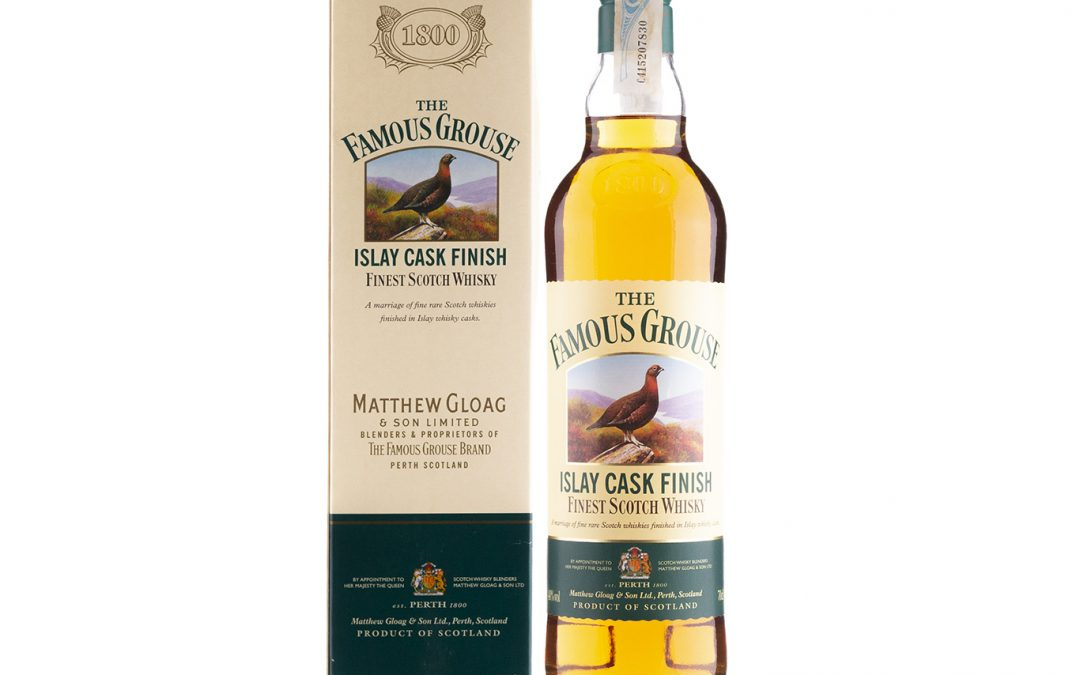
Islay isn’t just poured into a glass, it pours itself into you. If it were a person, it wouldn’t be in a boardroom or a cocktail bar. It would be out on a windswept coast, coat flapping, boots wet, watching the storm roll in.That’s the essence of Islay: raw, weathered, real.It’s not simply whisky. It’s the distilled spirit of a place where the landscape writes itself into every bottle, places like Islay, Skye, Jura, Orkney, rugged islands where nature refuses to be tamed. You don’t just drink Islay Scotch. You feel it.
Let’s be clear, Islay Scotch doesn’t care if you like it. It doesn’t aim to please or show off. It’s not chasing awards or attention. It’s made for those who seek something elemental, something that tastes like wind, fire, and stubborn tradition.This whisky walks against the crowd. It’s smoky, medicinal, salty, and sometimes unapologetically strange. That’s the point.It’s not designed for those who want smooth sips and clean finishes. It’s for the ones who want to taste where it came from, peat bogs, ocean spray, and weather-beaten warehouses.
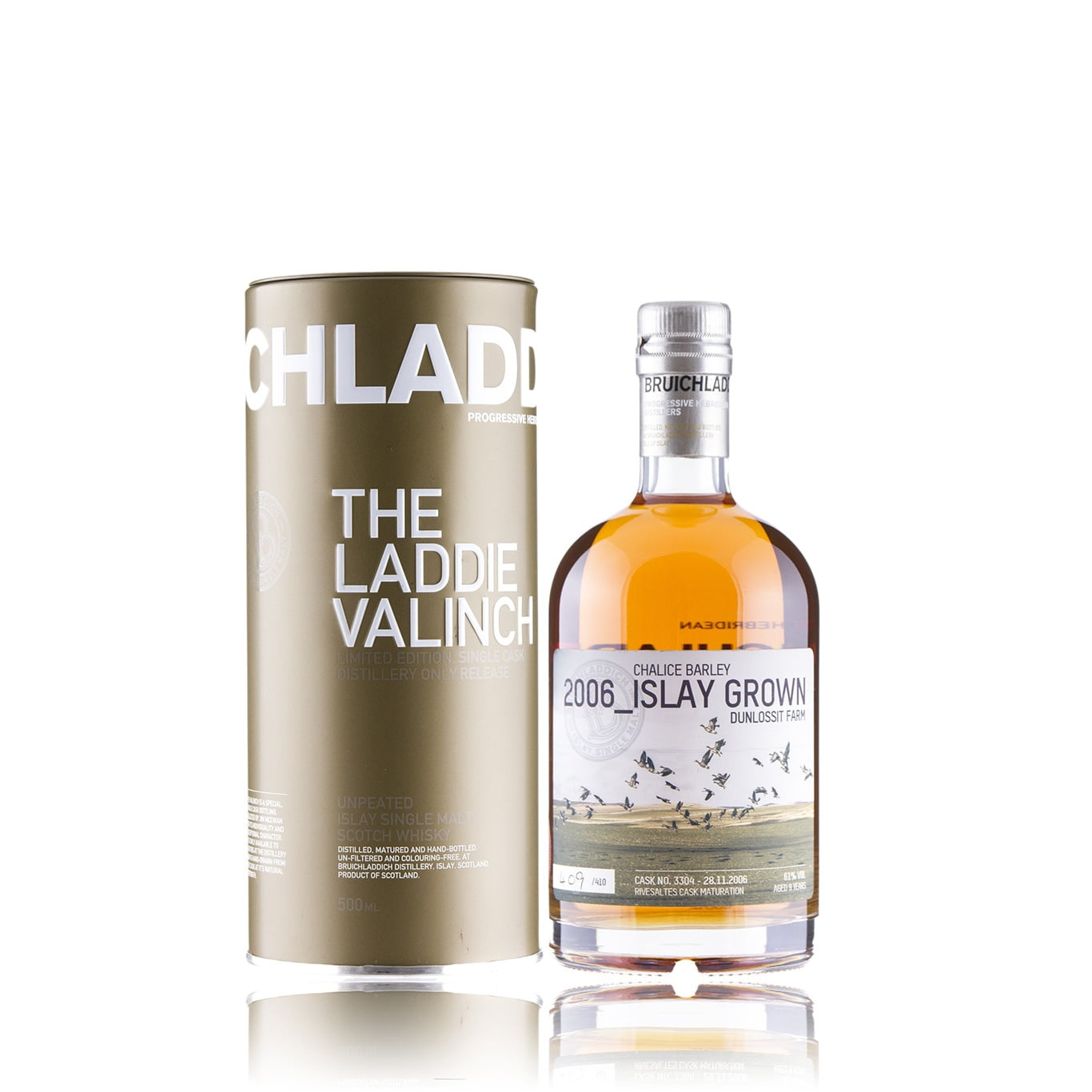
Every bottle of Islay is an echo of the place it’s born in. It doesn’t just carry notes of the island, it is the island.The Atlantic air, the wet moss, the ever-changing skies, they all creep into the casks and settle there. Even the quiet, watchful sheep outside the distillery walls feel like they’ve seen something that made it into the barrel.
This whisky doesn’t just have terroir, it has temperament.
There’s a type of person who connects with this Scotch right away. They tend to be a little different, not in the way that seeks attention, but in the way that simply refuses to compromise.Writers. Makers. Thinkers. Misfits. Those who don’t just walk their path, they build it themselves.This Scotch isn’t chasing a lifestyle; it is one. If you resonate with its edge, you don’t just drink it, you adopt it.
Islay Scotch doesn’t care about image. It doesn’t try to go viral. It doesn’t wear a suit, or beg you to collect the whole range.It simply exists, quietly, confidently. Complex, untamed, and real.And in a world obsessed with the curated and controlled, something this honest stands out without even trying.
You’ll know them when you see them. The ones who skip the small talk. Who disappears for days just to come back with something brilliant? The ones who drink slowly, speak less, and listen more.
They drink Islay Scotch.
So do the chefs who cook off a recipe. The pilots who still check gauges by instinct. The founders who walked away from big offers because the mission mattered more.They’re not drinking it to impress anyone. They’re drinking it because it mirrors something inside them.
If you want soft and floral, go elsewhere. Islay Scotch doesn’t deal in easy flavors.It burns. It bites. It smokes up your tongue and makes you pause.And then, after the sip, there’s a strange silence. The kind that demands attention. That lingers like a memory you’re not done with.
That’s the magic — it makes an impression that doesn’t leave quietly.
Someday, you’ll be offered a glass. Maybe at a quiet bar. Maybe in someone’s living room at the end of a long night. You’ll take a sip, and something about it will stop you in your tracks.Maybe it’s the salt. Maybe the smoke. Maybe the feeling that you’ve just been introduced to something older, deeper, and far more stubborn than expected.
Islay Scotch isn’t trying to be understood. It’s trying to be respected.It doesn’t tell you who to be. But it’s there for you when you decide to stop performing and start being.It’s not the whisky for everyone. It’s the whisky for the ones who don’t need permission.
If that’s you?
Welcome home.
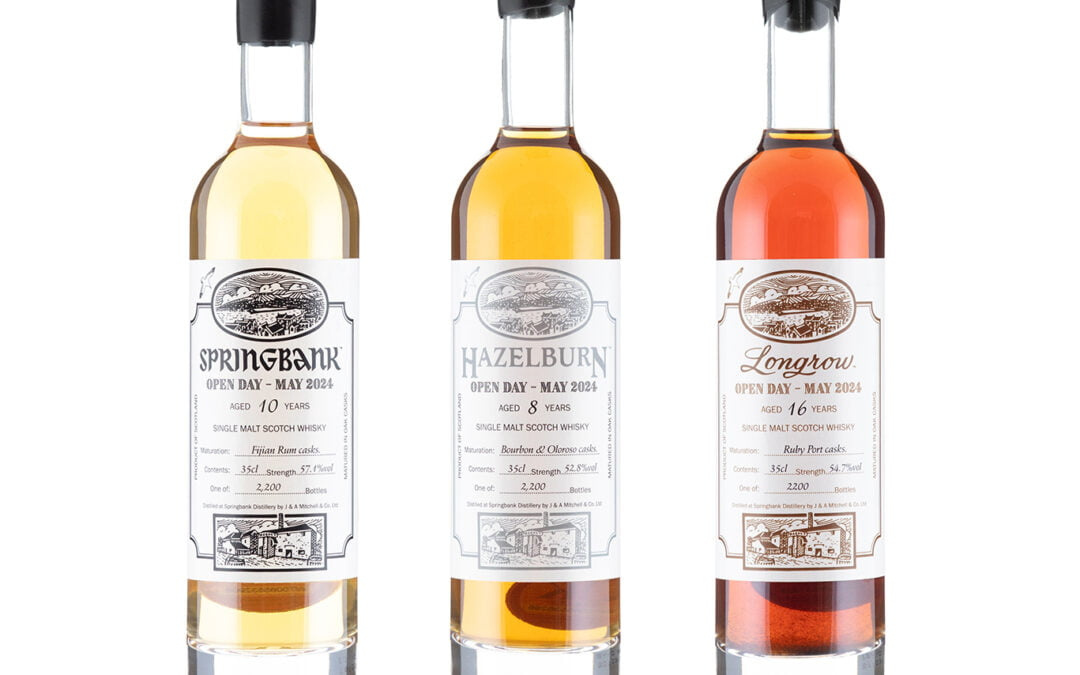
Once hailed as the “Whiskey Capital of the World,” Campbeltown, nestled on the rugged Kintyre Peninsula of western Scotland, was home to more than 30 distilleries in the 1800s. At its peak, the small town was booming with barrels being rolled and the unmistakable scent of peated malt filling the air. But by the mid-20th century, Campbeltown’s whiskey legacy had all but disappeared, reduced to a mere whisper of its former self.
Today, Campbeltown whiskey is making a triumphant return. The region has not only regained the attention of connoisseurs and collectors but is also setting a new gold standard for quality Scotch. So, what’s fueling the remarkable rise of Campbeltown whiskey today?
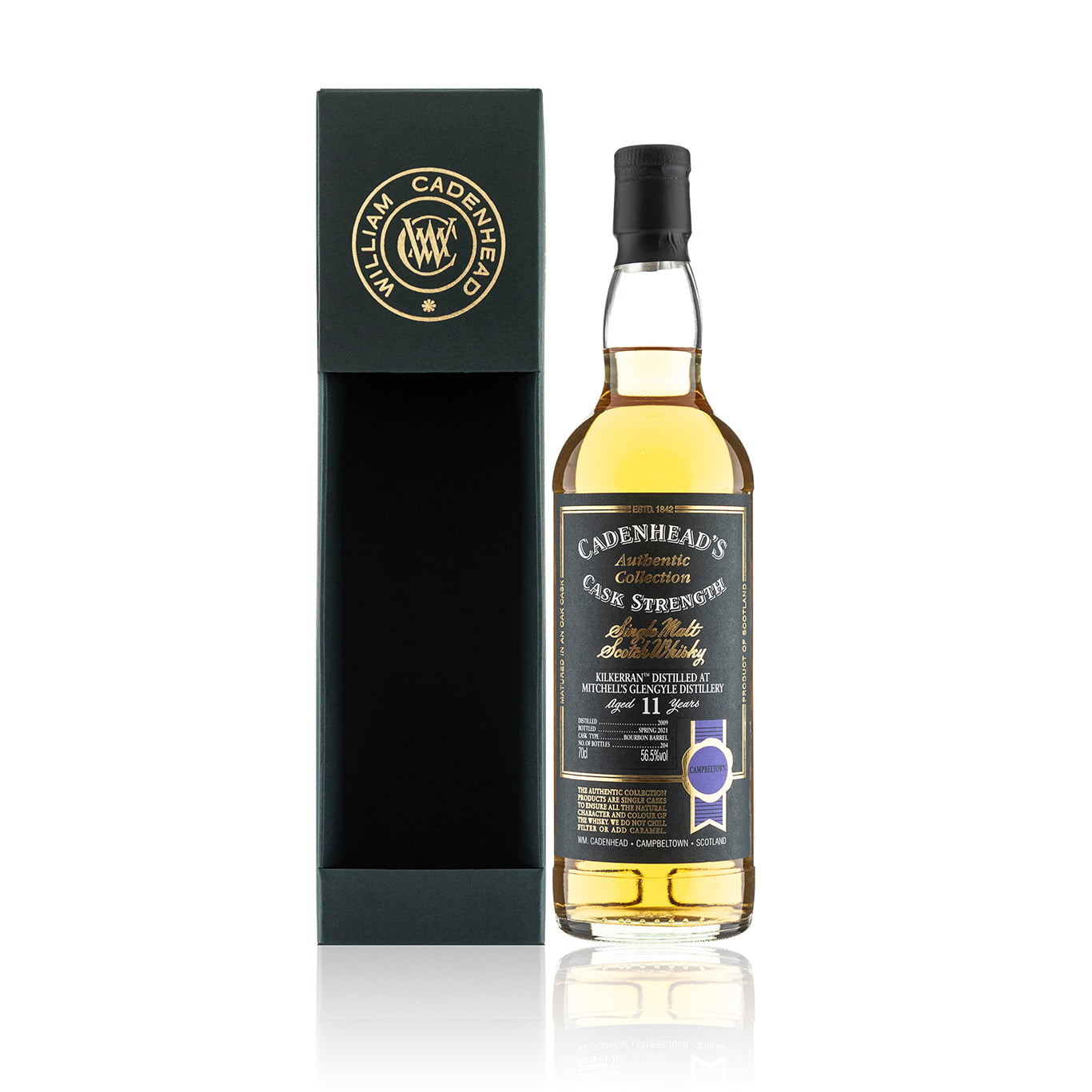
If Campbeltown whiskey has a heart, it’s Springbank Distillery. Family-owned since the 1800s, Springbank refused to cut corners even during the industry’s darkest times. They maintained traditional methods: floor malting their own barley, direct fire distillation, and aging their whiskey onsite.
Springbank’s dedication kept Campbeltown’s flame flickering, even when the rest of the world had forgotten the town. Their expressions, particularly the classic Springbank 10, Longrow, and Hazelburn, slowly started to regain cult-like status among whiskey lovers.
While mass-market appeal eluded them during the late 20th century, the tides were turning.
While Springbank was drawing the attention of purists, Glen Scotia was quietly working on its own revival. Once considered a forgotten distillery, Glen Scotia invested in modernization without sacrificing character. Their expressions are often described as more polished and approachable than Springbank’s, offering a great introduction to Campbeltown’s distinctive profile.
With releases like Glen Scotia Victoriana and the Double Cask, the distillery has reintroduced the region to a broader, global audience. Glen Scotia’s recent accolades—including multiple medals at international whiskey competitions, underscore that Campbeltown is no longer a relic of the past but a force in the present.
So, what exactly makes Campbeltown whiskey unique? It’s often described as bold, slightly funky, and layered with flavors you won’t find elsewhere. A Campbeltown dram might greet you with notes of sea spray, oily smoke, salted caramel, and old leather. It’s whiskey with grit, unapologetically robust, and often aged in sherry or bourbon casks for added complexity.
The maritime climate plays a crucial role. Distilleries like Springbank and Glen Scotia sit mere feet from the coast, and many believe the sea air imparts a distinct saltiness and minerality that defines the region.
The New Kids on the Kintyre Block
Campbeltown’s renaissance isn’t just about holding onto the past, it’s about building a future. In 2022, the announcement of new distilleries, like the much-anticipated Machrihanish Distillery, confirmed that Campbeltown’s comeback is no longer speculative.
Another project, Dál Riata Distillery, also aims to blend innovation with tradition, attracting fresh talent, new investment, and modern whiskey drinkers.
These new distilleries are being developed with lessons from the past in mind: small batch production, sustainability, authenticity, and quality-first approaches are leading the way.
In recent years, demand for Campbeltown whiskey has exploded. Collectors and investors have started paying top dollar for Springbank expressions. Part of this renewed interest comes from a global trend toward craft and small-batch spirits. As consumers become more educated and adventurous, it offers something different, a break from the predictable flavor profiles of more commercial Speyside or Highland malts.
The region’s limited production adds to its mystique. Unlike other Scotch regions with dozens of producers, Campbeltown’s scarcity drives desirability. When you sip a Campbeltown malt, you’re tasting history, and exclusivity.
More than just a beverage, it represents resilience. It tells the story of a community that refused to let its legacy die, of distillers who prioritized craft over profit, and of a town that’s now rising from the ashes with confidence.
Today, this whiskey stands as a gold standard of authenticity in a spirits world that’s often dominated by marketing and mass production. Whether you’re sipping a smoky Longrow, a rich Glen Scotia 15, or looking forward to tasting the first bottlings from new distilleries, you’re joining a movement, a toast to revival.
From near extinction to cult-favorite status, the comeback of Campbeltown whiskey is one of the most inspiring stories in the world of spirits. It reminds us that true quality stands the test of time and that sometimes, going against the grain is exactly what the world needs.
So, the next time you’re exploring the whiskey aisle or visiting Scotland, don’t overlook Campbeltown. Pour a dram, breathe in the sea air, and raise your glass to a town that went from ghost town to gold standard and did it with character.
Campbeltown whiskey delivers a signature maritime taste. Discover rare single malts with smoky, salty, and oily depth from this legendary region.
Showing 181–195 of 578 results
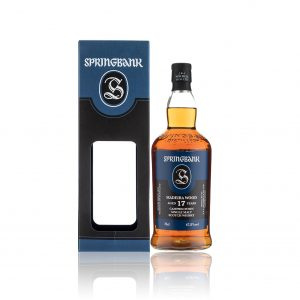
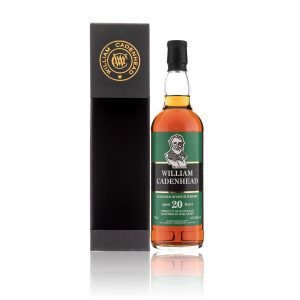
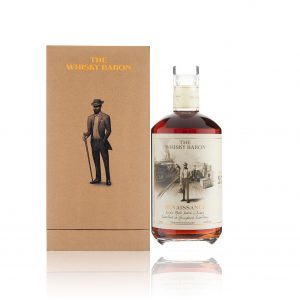







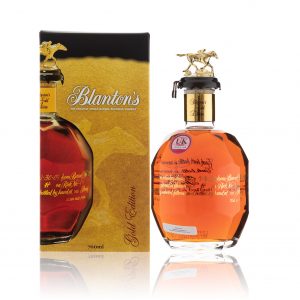



For whisky enthusiasts, few things are as exciting as discovering a bottle that perfectly balances age, character, and depth. The Benrinnes 2000 20 Year Old Sherry Cask is exactly that, a matured single malt that combines the bold spirit of Speyside with the richness of a sherry cask finish. This expression is more than just a drink. It’s a refined experience that rewards patience, attention, and appreciation. With two decades of maturation, it offers a complex and indulgent profile.
Benrinnes Distillery isn’t the most talked-about name in Scotch whisky circles, but that’s part of what makes it special and unique. Located in the heart of Speyside, Benrinnes produces a spirit known for its muscular and meaty character. Much of its output typically goes into blends, which makes any single malt bottling a bit of a rarity, especially one with this level of age and consistent quality. The Benrinnes 2000 20 Year Old Sherry Cask is a standout, offering whisky lovers a rare opportunity to experience a bold, unfiltered expression of what the distillery is truly capable of.
A big part of this whisky’s charm comes from its sherry cask maturation. Sherry casks are typically made from European oak and seasoned with Oloroso or Pedro Ximénez sherry in Spain. These casks are known to impart rich, sweet, and nutty notes. They add layers of dried fruit, spice, and chocolate to the whisky over time. In the case of Benrinnes 2000, the sherry influence is beautifully integrated, adding depth and roundness to the bold Speyside spirit.
Nose:
Expect an intense nose filled with raisins, figs, dark cherries, and a touch of molasses. Underneath the fruit, you’ll find hints of tobacco leaf, cocoa, and wood spice.
Palate:
The mouthfeel is oily and full-bodied. Rich flavors of stewed plums, toffee, and roasted nuts take center stage. There’s also a note of baking spices—nutmeg, clove, and cinnamon—that adds complexity.
Finish:
Long and warming. Dried fruits, oak tannins, and a soft touch of leather and chocolate linger long after the sip.
This whisky is one to sip slowly. Every moment with it brings out something new.
Not every whisky is fit for every moment. The Benrinnes 2000 20 Year Old Sherry Cask deserves a setting that matches its character and maturity.
Here are a few occasions where it truly shines:
This isn’t an everyday whisky. It’s a bottle you reserve for when the time feels right.
Being an independently bottled release, the Benrinnes 2000 20 Year Old Sherry Cask is typically part of a small batch, often from a single cask. That means it’s not something you’ll see often on store shelves.
The lack of chill filtration and added coloring makes it even more appealing to purists. What you get in the bottle is honest and unaltered, allowing the whisky’s natural color, texture, and depth to shine.
These details make it not just a whisky to drink, but one to appreciate.
Pour this whisky into a Glencairn glass to truly savor the aromas. Give it a few minutes to breathe. Adding a few drops of water can open up hidden layers, especially if it’s bottled at cask strength. Pair it with rich dark chocolate, hard cheeses, or dried fruit for an indulgent experience. It also works beautifully with a cigar, if that’s your style.
The Benrinnes 2000 20 Year Old Sherry Cask is a bold and luxurious expression from a distillery that often flies under the radar. With its deep sherry influence, full-bodied texture, and well-aged complexity, it offers a rare and rewarding experience. It’s not just for sipping, it’s for savoring. Whether you enjoy it to celebrate, to reflect, or simply to treat yourself, this bottle is a Speyside masterpiece worth your time. If you’re lucky enough to find a bottle, don’t hesitate. It won’t be around forever, and neither will moments as perfect as the one you’re saving it for.




Recent Comments