

No Results Found
The page you requested could not be found. Try refining your search, or use the navigation above to locate the post.
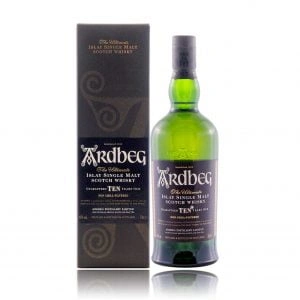
For anyone new to Scotch, one of the biggest surprises is how dramatically different two whiskies can taste. One glass may offer notes of apple, pear, honey, and vanilla, while another delivers flavors that remind you of smoke, sea salt, and a crackling campfire.
How can two spirits made from similar ingredients produce such different experiences?
The answer lies in a combination of geography, production methods, climate, and tradition. Few comparisons illustrate this better than Speyside whisky and Islay whisky, two of Scotland’s most famous whisky styles. Understanding what makes them unique can help both beginners and enthusiasts appreciate the incredible diversity of Scotch.
Every Scotch whisky starts with a few basic ingredients: water, malted barley, and yeast. The process of fermentation, distillation, and aging transforms these simple components into a complex spirit.
However, small differences at each stage of production can have a significant impact on flavor. Factors such as the shape of the stills, the source of the water, the type of casks used for aging, and even local weather conditions contribute to the final product.
This is why whiskies from different regions often develop distinctive characteristics that become closely associated with their place of origin.
Located in northeastern Scotland, the Speyside region is home to many of the world’s most well-known distilleries. Over time, the area has become famous for producing whiskies that are approachable, elegant, and rich in fruit-forward flavors.
A typical Speyside whisky may feature notes of orchard fruits, honey, caramel, vanilla, and dried fruit. Many expressions are matured in sherry casks, which can add layers of sweetness and complexity.
The production methods commonly used in the region also play a role. Distilleries often focus on creating lighter, smoother spirits that allow delicate flavors to shine through. The result is a style that appeals to both newcomers and experienced whisky drinkers.
For many people, it serves as an ideal introduction to Scotch because of its balanced and accessible character.
If fruity Speyside whiskies represent one side of Scotch, Islay Whisky often represents the other.
Islay is a small island located off Scotland’s west coast. Despite its size, it has earned a worldwide reputation for producing some of the most distinctive whiskies on the market.
The famous smoky character of Islay Whisky comes primarily from peat. Peat is a dense organic material formed from decomposed vegetation over thousands of years. During the malting process, some distilleries dry barley using peat fires, allowing the smoke to infuse the grain.
This process creates the bold aromas and flavors often associated with campfires, smoke, earth, and charred wood.
For first-time drinkers, these flavors can be surprising. Yet for many enthusiasts, they are exactly what makes Islay whiskies so memorable.
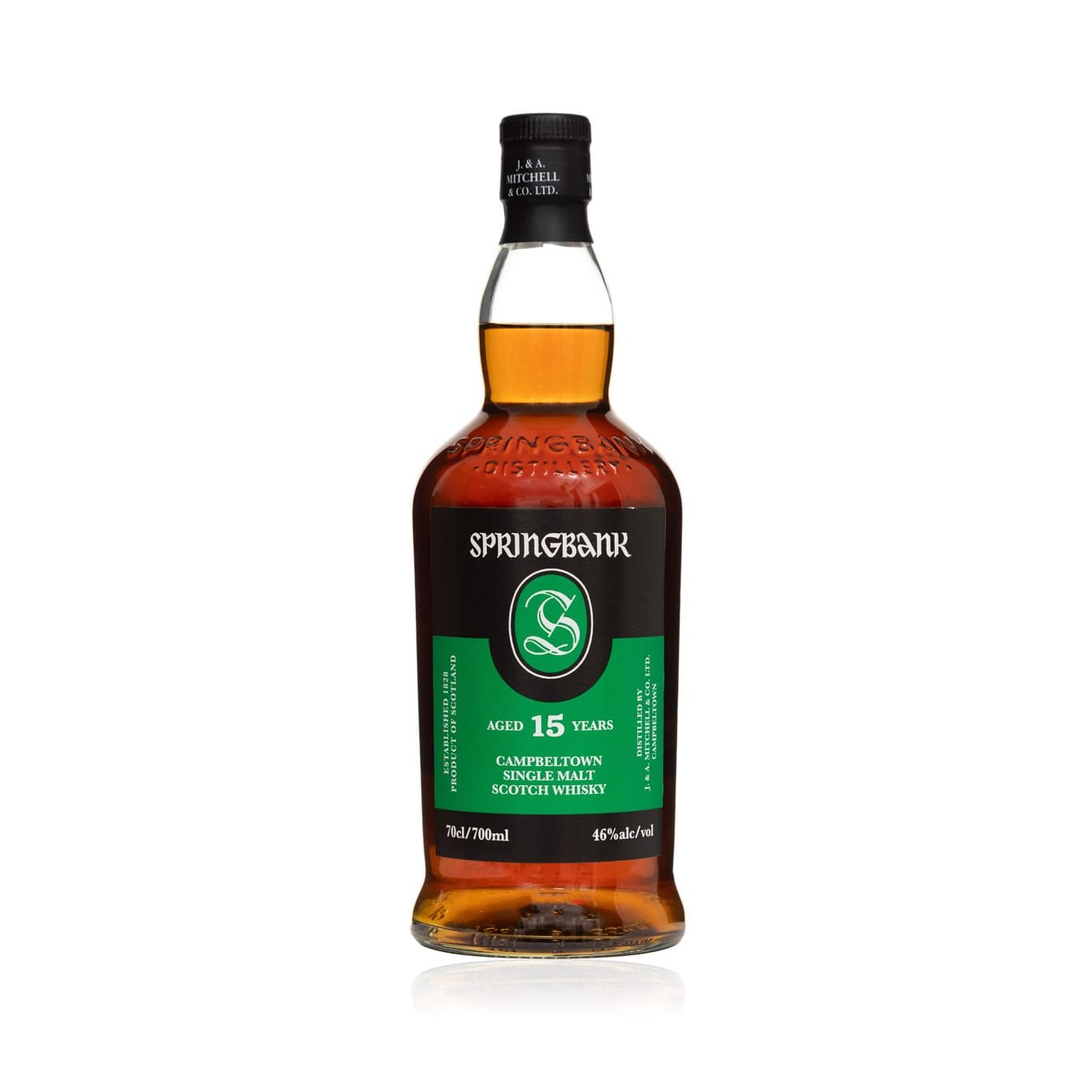
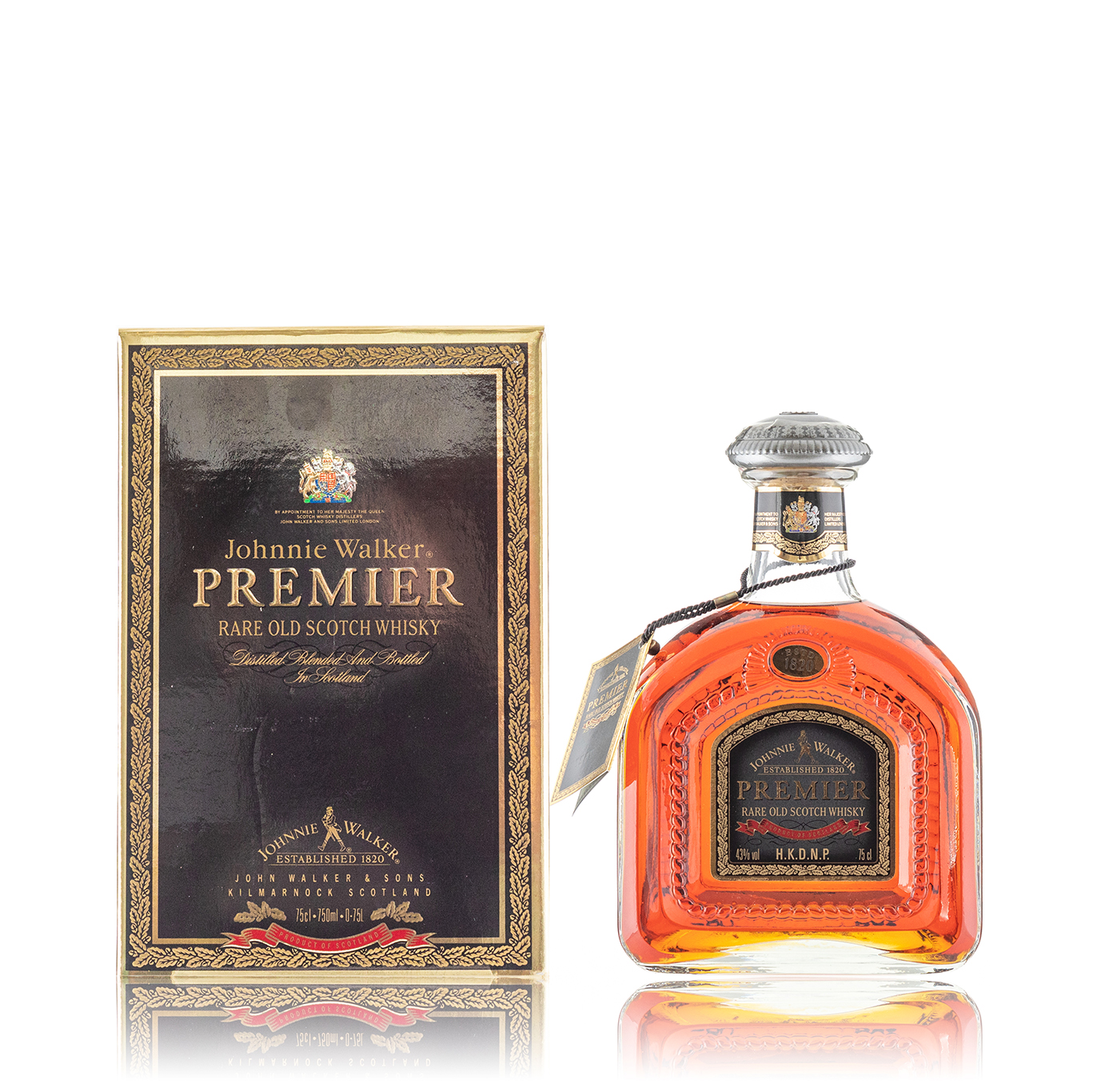
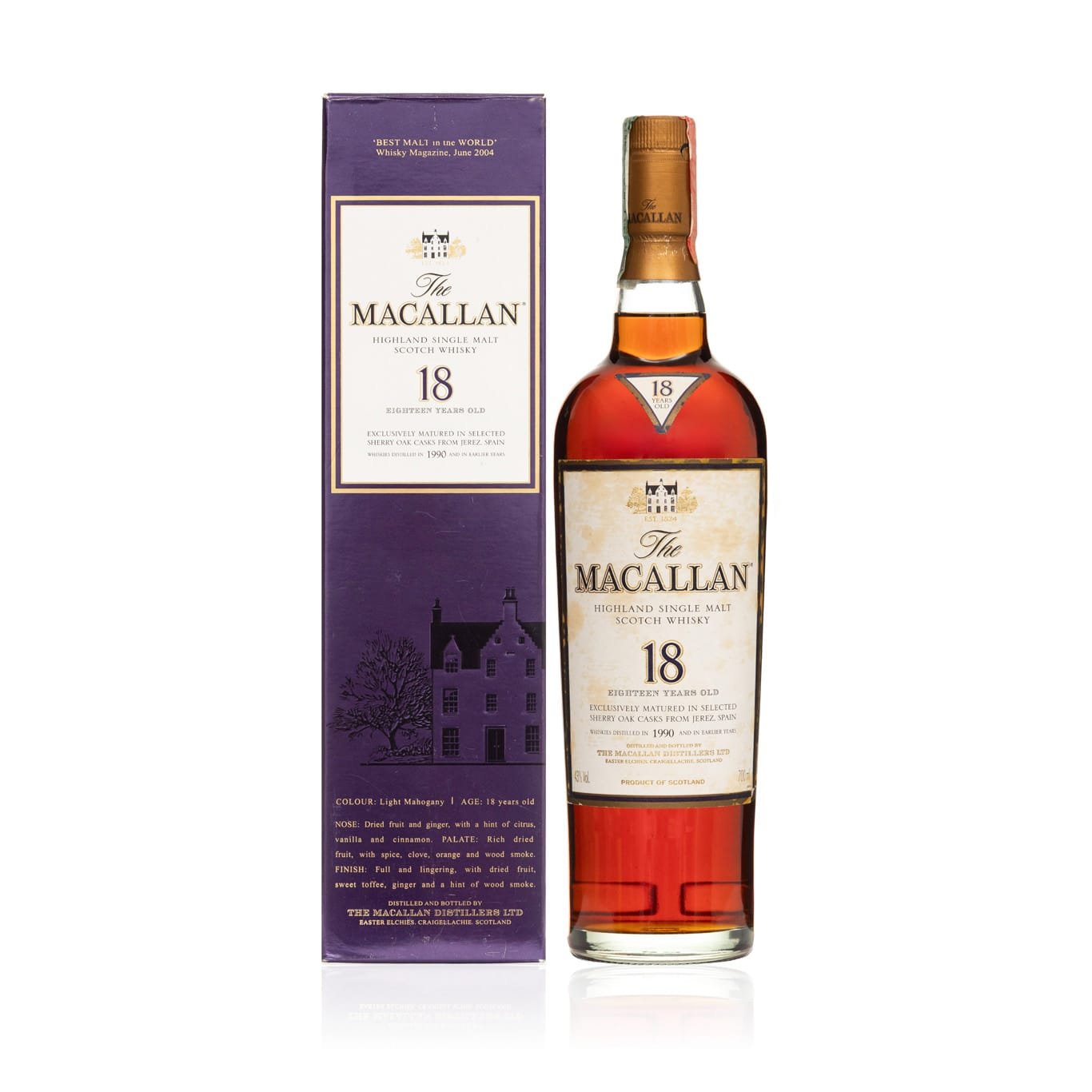

Location plays a major role in shaping whisky character.
Speyside’s inland environment contributes to a style often associated with sweetness and refinement. Meanwhile, Islay’s coastal setting exposes aging whisky to sea air, strong winds, and a rugged maritime climate.
Many whisky lovers believe these environmental conditions influence the maturation process, adding subtle notes that complement the smoky profile for which the island is known.
When comparing both of the whiskies side by side, the influence of geography becomes remarkably clear. Each reflects the landscape from which it originates.
Another major contributor to flavor is the oak cask used during aging.
Whisky can spend years—or even decades—maturing in barrels that previously held sherry, bourbon, wine, or other spirits. During this time, the liquid extracts compounds from the wood, developing additional flavors and aromas.
In many Speyside expressions, sherry-seasoned casks contribute rich notes of raisins, chocolate, and dried fruit. These flavors enhance the naturally sweet character of the spirit.
Meanwhile, oak aging also softens the intense smoky qualities found in Islay Whisky, helping create balance and complexity over time.
Without the influence of casks, whisky would taste dramatically different regardless of its region.
One of the most interesting aspects of whisky appreciation is that there is no universally “better” style.
Some people are immediately drawn to fruity and smooth whiskies. Others become fascinated by bold smoky flavors that challenge the palate. Preferences often evolve as drinkers gain experience and explore different regions.
Many enthusiasts begin with a lighter Speyside drink before gradually developing an appreciation for the powerful character of Islay expressions. Others fall in love with smoky whisky from their very first sip.
The diversity of Scotch is one of the reasons the category remains so popular worldwide.
Rather than choosing one side of the debate, many whisky lovers enjoy exploring both.
A fruit-forward whisky can be perfect for a relaxed evening or for introducing friends to Scotch. A smoky whisky may offer a completely different experience, delivering depth and intensity that encourages slow sipping and careful attention.
By tasting whiskies from different regions, drinkers gain a deeper understanding of how production methods, environment, and tradition shape flavor.
The contrast between these two whiskies provides one of the best examples of this journey.
While Speyside and Islay are among Scotland’s most recognized whisky regions, they’re only part of the country’s rich whisky heritage. Exploring other regions can help you discover new flavour profiles and find a Scotch that better matches your personal taste.
Want to explore every Scotch whisky region in detail? Read our complete Scotch Whisky Guide to understand regional styles, buying tips, and how to choose the perfect bottle for your taste preferences.
The reason one whisky tastes like fruit while another tastes like a campfire comes down to a fascinating combination of regional influences, production choices, and aging techniques. From the sweet, approachable profile of Speyside whisky to the bold smoky character of Islay Whisky, each style tells a unique story about where it was made and how it was crafted.
For whisky enthusiasts, that variety is part of the appeal. Every bottle offers an opportunity to discover new flavors, traditions, and perspectives. Whether you prefer notes of orchard fruit or aromas of coastal smoke, exploring both the drinks can deepen your appreciation for the remarkable world of Scotch.
The page you requested could not be found. Try refining your search, or use the navigation above to locate the post.

Many people wonder how long the body takes to process alcohol after a drink or two. The answer is not the same for everyone, because alcohol is handled by a complex set of biological processes influenced by metabolism, body composition, and overall lifestyle. Understanding these processes can offer useful insights into how the body works and why individual experiences may differ.
This article explores the science behind alcohol metabolism and clears up some of the most common myths, using medically grounded information rather than assumptions.
After alcohol is consumed, it travels through the digestive system and is absorbed into the bloodstream, primarily through the small intestine. In fact, “about 20 percent of alcohol is absorbed through the stomach, while roughly 80 percent is absorbed in the small intestine.” This is why the effects of alcohol can be felt relatively quickly.
From there, it circulates throughout the body and is eventually processed by the liver.
The liver contains enzymes that break alcohol down into compounds the body can further metabolize and eliminate. This process happens gradually and at a relatively steady pace.
For many adults, the liver can process approximately one standard drink per hour. As medical references often note, “the average person metabolizes alcohol at a rate of about 0.015 blood alcohol concentration (BAC) per hour.”
A standard drink is generally defined as:
This estimate is only a general guideline. Actual processing times vary based on several individual factors.
The body’s ability to metabolize alcohol depends on more than just how much is consumed. A number of natural factors influence the timeline.
People with different body sizes and body water content may process alcohol differently. “Alcohol is water-soluble,” so body composition plays a meaningful role in how it is distributed throughout the body.
Consuming alcohol with food usually slows absorption, which can affect how quickly alcohol reaches peak levels in the bloodstream.
Metabolic efficiency can change over time, influencing how the body handles alcohol.
Differences in body composition and enzyme activity may affect the rate of alcohol metabolism.
Certain genetic variations influence how efficiently the liver breaks alcohol down.
General metabolic rate and liver enzyme activity vary from person to person.
When people ask how long alcohol stays in the body, they are usually referring to how long it takes for the body to fully process it.
Alcohol does not remain unchanged indefinitely. Instead, it is continuously broken down by the liver until only trace amounts remain and the process is complete.
The timeline depends on:
For a modest amount of alcohol, the body may complete processing within several hours. Larger amounts naturally require more time.
Many popular beliefs suggest that certain actions can dramatically speed up the body’s processing of alcohol. Medical science shows that most of these ideas are misconceptions.
Coffee may increase alertness, but it does not accelerate liver metabolism. As physicians often explain, “caffeine can make a person feel more awake, but it does not lower blood alcohol levels.”
Hydration supports overall wellness, but it does not significantly increase the rate at which alcohol is processed.
Physical activity has many benefits, but it does not meaningfully change alcohol metabolism. “Only about 2 to 5 percent of alcohol leaves the body through sweat, breath, and urine.”
A cold shower may feel refreshing, but it does not affect how quickly the body breaks down alcohol.
Each person’s metabolism is unique, so timelines can differ even when the same amount is consumed.
The liver is central to alcohol metabolism. It converts alcohol into acetaldehyde and then into acetate, which the body can use for energy or further process naturally.
“More than 90 percent of consumed alcohol is metabolized by the liver.” Because the liver works at a relatively consistent pace, there is no reliable shortcut that dramatically speeds this process. Time remains the primary factor.
This is one reason medical professionals emphasize that individual biology plays a much larger role than quick fixes or popular remedies.
Two people may consume the same amount of alcohol and notice different experiences. One may feel effects more quickly, while the other may process alcohol more gradually.
These differences can be explained by:
This variability is normal and reflects the uniqueness of each individual’s physiology.
Alcohol has been part of social and cultural traditions for centuries. Understanding how the body processes it can help people appreciate the biological systems involved.
The key takeaway is that alcohol metabolism is steady, predictable in general terms, and highly individualized in practice. The body is remarkably efficient at processing alcohol, but it does so according to its own natural pace.
As a useful benchmark, “most healthy adults process one standard drink in about one hour, but exact timing varies significantly from person to person.”
How long alcohol stays in your system depends on the amount consumed and a range of personal factors such as metabolism, body composition, age, and food intake. For many people, the liver processes about one standard drink per hour, though actual timelines vary.
The most important medical fact is that the body relies on time and normal liver function to metabolize alcohol. Popular myths involving coffee, water, exercise, or cold showers do not significantly speed up the process.
By understanding the science and setting aside common misconceptions, it becomes easier to appreciate how the body naturally and efficiently handles alcohol.
The page you requested could not be found. Try refining your search, or use the navigation above to locate the post.

Whisky has long been associated with heritage, ritual, and deeply rooted traditions. From the smoky malts of Scotland to the refined blends of Ireland, the so-called House of Whisky has shaped how enthusiasts perceive and enjoy this timeless spirit. Yet, in recent years, a new name has been quietly redefining expectations, Filey Bay Whisky.
Unlike many legacy distilleries that rely heavily on established methods, it brings a modern, transparent, and locally driven approach to whisky-making. It doesn’t try to replace tradition; instead, it adds a refreshing dimension to it. So, what exactly makes it stand out? Let’s explore.
Filey Bay has gained remarkable popularity in England, particularly among those who appreciate craft spirits and locally produced goods. Yorkshire, its home region, has become a hub for whisky lovers eager to support homegrown brands. Beyond the UK, Filey Bay is steadily building a following in Europe and even among curious whisky drinkers in Asia and North America.
Young Whisky Enthusiast – What’s interesting is how it resonates strongly with younger whisky enthusiasts. In urban cities like London, Manchester, and Berlin, people are increasingly drawn to brands that feel authentic and transparent. Filey Bay fits naturally into this trend.
People Looking For A Change – Online communities and whisky forums often highlight how drinkers enjoy discovering something “different” from the traditional house of whisky. It’s not uncommon to see first-time buyers describing it as a refreshing alternative to more familiar Scotch or Irish labels.
Field-to-Bottle – One of the biggest reasons behind the rise of Filey Bay Whisky is its “field-to-bottle” philosophy. Everything, from growing the barley to distillation and bottling, happens under one roof. This level of control creates a sense of trust and authenticity that modern consumers value deeply.
Innovation – Another key factor is innovation. While the house of whisky often emphasizes consistency and tradition, Filey Bay embraces experimentation. Different cask finishes and evolving flavor profiles make each release feel unique and exciting.
Pocket Friendly – Affordability also plays a significant role. Many whisky lovers appreciate that they can experience premium quality without paying excessively high prices. This accessibility makes it easier for newcomers to explore whisky without feeling overwhelmed.
Transparency – Then there’s transparency. Filey Bay openly shares details about its production process, which helps build a stronger connection with its audience. People don’t just drink it, they understand it.
The demand for this whisky, like any spirit, is influenced by several interesting factors:
Places:
Geography plays a huge role. In regions where traditional Scotch dominates, people may initially hesitate to try something new. However, in urban and experimental markets, Filey Bay often sees higher demand. Cities with vibrant food and drink cultures tend to embrace it faster.
Weather:
Seasonality impacts whisky preferences more than people realize. During colder months, drinkers often lean toward heavier, smoky whiskies associated with the house of whisky. In contrast, Filey Bay’s lighter and more vibrant profile makes it especially appealing during spring and summer.
Occasions:
Different occasions call for different spirits. Filey Bay is frequently chosen for casual gatherings, celebrations, or as a conversation starter. Its approachable nature makes it less intimidating compared to traditional, high-end whiskies reserved for formal settings.
Personal Taste:
Ultimately, taste is subjective. Some people prefer the bold peatiness of classic Scotch, while others enjoy the smoother, fresher notes found in Filey Bay Whisky. This diversity in preference naturally affects demand.
Cultural Trends:
Modern consumers are leaning toward sustainability and authenticity. Filey Bay’s eco-conscious approach and local sourcing align perfectly with these values, increasing its appeal.
Availability and Awareness:
As distribution expands and more people learn about the brand, demand continues to grow. Word-of-mouth and social media have played a big role in this.
What truly sets it apart is how people talk about it. Many first-time drinkers describe it as “unexpectedly smooth” and “pleasantly different.” One reviewer mentioned how they were initially skeptical about English whisky but ended up impressed by its balance and freshness.
Another common theme in reviews is its approachability. Unlike some traditional whiskies that require an “acquired taste,” Filey Bay is often described as welcoming, even for beginners.
Experienced whisky enthusiasts, on the other hand, appreciate its complexity. They note subtle layers of flavor that evolve with each sip, something that reflects careful craftsmanship rather than mass production.
There are also frequent mentions of its value for money. Many users highlight that it delivers a premium experience without the premium price tag, which is a rare combination in today’s whisky market.
In many ways, Filey Bay Whisky represents a bridge between the old and the new. It respects the foundations laid by the house of whisky but isn’t afraid to question and reinterpret them.
This balance is what makes it truly unique. It doesn’t rely on centuries of history to prove its worth. Instead, it builds credibility through quality, transparency, and a genuine connection with its audience.
Filey Bay’s uniqueness lies in its ability to evolve whisky culture without discarding its roots. From its strong local identity to its innovative production methods, it offers something that feels both familiar and refreshingly new.
Whether it’s the place where it’s enjoyed, the weather that influences preferences, or the personal tastes of the drinker, filey bay whisky adapts beautifully to different contexts. Add to that real-world appreciation from both beginners and experts, and it becomes clear why it’s gaining momentum.
The page you requested could not be found. Try refining your search, or use the navigation above to locate the post.

If you’ve ever stood in front of a well-stocked bar or browsed a liquor store, you’ve likely noticed a small but curious detail, some bottles are labeled “whisky,” while others read “whiskey.” At first glance, it might seem like a simple spelling variation. But in the world of spirits, this single letter carries history, geography, and identity.
So, does it actually make a difference? The answer lies in understanding where these spirits come from and how they are crafted.
The difference between “whisky” and “whiskey” is largely geographical. Scotland, Canada, and Japan use “whisky,” while Ireland and the United States prefer “whiskey.”
This distinction reflects tradition and heritage. Scottish distilleries, including globally recognized names like Macallan and Benromach, have long upheld the “whisky” spelling as part of their identity. Meanwhile, Irish and American producers retained “whiskey” to distinguish their products historically.
Scotland’s whisky-making legacy is deeply rooted in its regions, each offering distinct flavor profiles. Among the most celebrated is Speyside Scotch, known for its smooth, elegant, and often fruity character. Many iconic distilleries, including Macallan and Benromach, originate here, shaping the global perception of Scotch whisky.
In contrast, regions like Campbeltown offer a more robust and maritime-influenced profile, while Islay whisky is famous for its bold, smoky, and peaty flavors. These regional differences highlight that while the spelling “whisky” remains consistent, the taste experience can vary dramatically.
The “whiskey” spelling is closely tied to Irish heritage. Irish distillers introduced the extra “e” as a way to differentiate their smoother, triple-distilled spirit from Scotch.
When Irish immigrants brought their craft to the United States, the spelling followed. Today, American whiskey—especially bourbon and rye—has its own identity, shaped by ingredients and aging processes rather than spelling alone.
Technically, no—the spelling itself doesn’t change the flavor. However, it acts as a signal for production style and origin.
For example:
So while the spelling doesn’t directly impact taste, it guides you toward a certain style and expectation.
What truly defines whisky or whiskey is craftsmanship. From the grains used to the distillation process and aging conditions, every step contributes to the final product.
In regions like Speyside, distilleries focus on balance and refinement. In Islay, the emphasis is on boldness and peat smoke. Campbeltown, once a thriving whisky hub, now offers unique, character-driven expressions that appeal to enthusiasts seeking something different.
Brands like Macallan have built a reputation on precision and quality, while Benromach is celebrated for maintaining traditional methods in a modern world. These producers demonstrate that identity in whisky goes far beyond spelling—it’s about heritage, process, and consistency.
Today, whisky and whiskey are enjoyed across the globe, with new regions contributing their own interpretations. Despite this expansion, traditional distinctions remain important for enthusiasts and newcomers alike.
The spelling continues to serve as a subtle guide, helping consumers navigate a diverse and ever-growing market. Whether you’re drawn to the elegance of Speyside Scotch or the intensity of Islay whisky, there’s a world of flavors waiting to be explored.
In practical terms, the difference between whisky and whiskey matters less than what’s in the glass. The spelling tells you where it comes from, but your personal preference determines what you enjoy.
Exploring different regions, styles, and brands is the best way to understand the nuances. Each bottle offers a unique experience shaped by tradition, environment, and craftsmanship.
The debate between “whisky” and “whiskey” is ultimately a celebration of diversity within the world of spirits. It’s a reminder that even the smallest details can carry centuries of history and culture.
If you’re looking to experience this diversity firsthand, The House of Whisky offers a curated selection that brings together some of the finest expressions from around the world. From the refined notes of Speyside Scotch to the bold character of Islay whisky, it’s a place where tradition meets discovery, helping you find the perfect bottle, no matter how it’s spelled.
In the end, whether it’s spelled whisky or whiskey often depends on tradition, region, and production style — but both offer unique drinking experiences loved by enthusiasts worldwide. Whether you prefer whisky or whiskey, exploring a premium whiskey collection can help you discover the flavors, styles, and character that truly match your taste.
The page you requested could not be found. Try refining your search, or use the navigation above to locate the post.
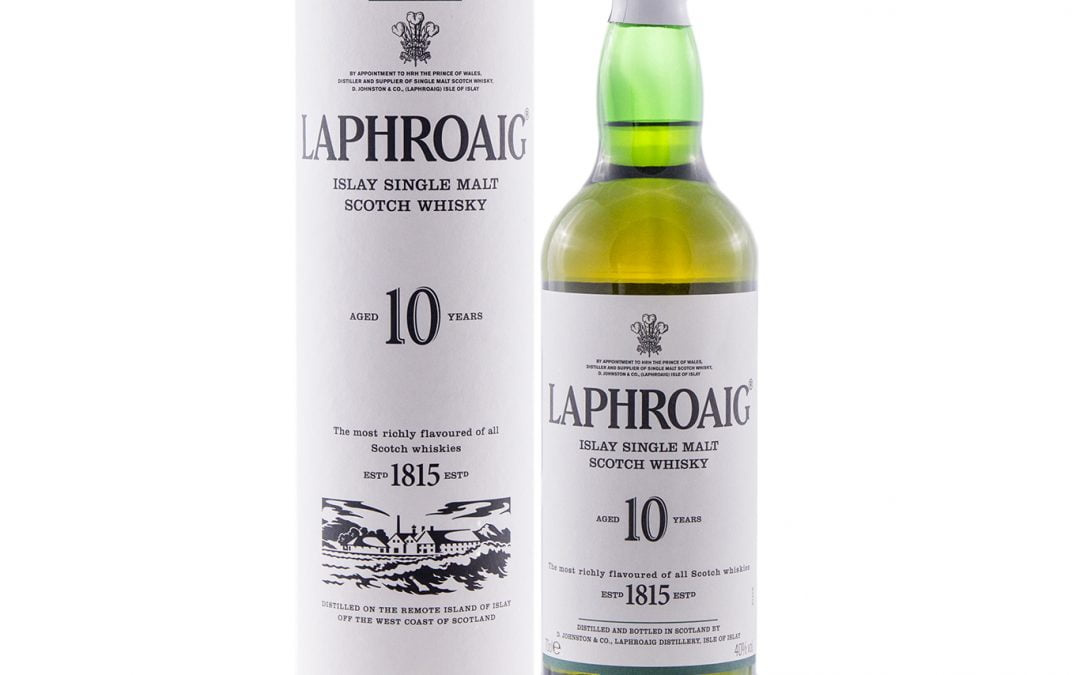
For whisky lovers around the world, few names evoke as strong an emotional response as Laphroaig. Known for its unapologetically bold, smoky, and medicinal flavor profile, Laphroaig has always stood apart in the world of Scotch whisky. But beyond its characteristic peat and coastal magic lies a distinction that elevates the brand to a level of prestigious recognition: the Laphroaig Royal Warrant.
Receiving a Royal Warrant is not just an honor, it’s a statement of excellence, heritage, and a seal of approval from the British Royal Family. For Laphroaig, this acknowledgment underscores decades of craftsmanship, dedication to tradition, and a flavor profile so impressive that even royalty has deemed it worthy of their table.
A Royal Warrant is an official mark of recognition granted to companies or brands that have regularly supplied products to the Royal Household over a number of years. It signifies that the highest level of quality and service has been proven and maintained consistently.
There are only a select number of businesses worldwide that hold such an elite distinction, and the privilege can be reviewed or removed if the standards ever fall below expectations. Holding a royal endorsement means being a trusted brand, one that meets the refined tastes of Britain’s monarchy.
Laphroaig’s connection with the Royal Family began growing in the latter part of the 20th century, when His Royal Highness Prince Charles developed a fond admiration for the whisky. In 1994, the distillery received the tremendous honor of being granted the Royal Warrant by the Prince of Wales himself.
The partnership was more than ceremonial; Prince Charles became an active supporter of the distillery and visited Laphroaig several times. His signature can even be seen on various editions and memorabilia from the distillery’s history. The distillery celebrated its 200th anniversary in 2015 with Prince Charles returning once again to commemorate the milestone, further cementing the connection.
What makes Laphroaig special enough to earn a royal nod?
The answer lies in its unwavering commitment to tradition and a flavor profile that refuses to compromise authenticity. Laphroaig is one of those rare distilleries that still:
The result? A whisky that tastes unmistakably like Laphroaig, medicinal, peaty, slightly sweet, and unmistakably Islay.
This bold character divides opinions, some fall deeply in love at first sip, while others shy away from its intensity. But that’s exactly what makes it a cult favorite and a royal-worthy spirit.
The Laphroaig Royal Warrant has become a symbol of trust and prestige. It’s a badge that consumers instantly recognize and respect, especially in global markets where premium whisky continues to rise in demand. The royal seal has boosted Laphroaig’s reputation as not just a smoky whisky, but a luxury spirit with aristocratic approval.
Even as whisky trends come and go, the Royal Warrant provides assurance that Laphroaig’s craftsmanship transcends time and remains relevant for future generations of enthusiasts.
From the 10-Year-Old classic to more adventurous expressions like the Quarter Cask and Triple Wood, each bottle carries a story of tradition and authenticity. But some releases carry the Royal connection even deeper:
Collectors and connoisseurs treasure these releases, not only for their taste but also for the history they represent.
A visit to the Laphroaig Distillery on the Isle of Islay feels like stepping back in time. With the Atlantic waves crashing nearby and peat fires burning inside, the experience reveals why Laphroaig tastes as it does. Guests even have the chance to become a “Friend of Laphroaig”, a program that humorously grants a small plot of Islay land to supporters of the brand.
Walking through the distillery, one can’t help but notice the sense of pride tied to the Royal Warrant. It’s displayed as a symbol of honor, reinforcing that what Laphroaig creates within these walls has earned admiration from the very pinnacle of British culture.
It’s also important to note that Royal Warrants are periodically reviewed. Brands must maintain consistency, sustainability, and excellence to keep their status. Laphroaig’s ongoing commitment to quality ensures that this crown of recognition isn’t just a historical achievement, it’s a modern promise.
Laphroaig has always embraced its loyal followers, those who appreciate a whisky with character, identity, and bold distinction. The Laphroaig Royal Warrant reinforces what fans already know: this isn’t just another Scotch. It’s a whisky fit for collectors, explorers, connoisseurs, and yes, royalty.
So the next time you pour a dram of Laphroaig, raise your glass to the history behind it: generations of craftsmanship, the rugged beauty of Islay, and a royal stamp of approval that truly sets the whisky apart.
Here’s to a taste that has earned its place among the world’s finest. Slàinte!

When whisky lovers talk about their favorite Scotch, names from Speyside or Islay often dominate the conversation. Yet there’s a serene corner of the whisky world that doesn’t shout but whispers, offering grace, lightness, and elegance. Welcome to the Lowlands, and more specifically, to Glenkinchie 12, a single malt that perfectly captures the essence of its region.
Just a short drive from Edinburgh, Glenkinchie Distillery crafts one of the most approachable yet refined single malts in Scotland. For anyone looking to explore a gentler side of Scotch or simply add balance to a collection of bold, peaty expressions, this bottle is worth discovering.
Unlike the smoky whiskies of Islay or the sherry-laden expressions of Speyside, Lowland whiskies are known for their light, floral, and grassy characteristics. Glenkinchie has long been a standard-bearer for the region, and its 12-year-old expression is the heart of its lineup.
This single malt offers a unique glimpse into the world of unpeated Scotch. It greets you with delicate aromas of fresh-cut grass, apple peel, and lemon zest. On the palate, you’ll find notes of malted barley, subtle oak, vanilla, and gentle spice. The finish is crisp, clean, and softly drying, making it ideal for sipping neat on a mild evening or as an aperitif.
Part of what makes Glenkinchie 12 so compelling is its ability to be both understated and complex. It invites you to take your time, to savor the subtleties in each sip.
This is also one of the few remaining operational distilleries in the Lowlands, and that alone makes it a treasure for collectors and enthusiasts alike. The distillery itself uses some of the largest stills in Scotland, which help produce the smooth, mellow spirit found in this elegant whisky.
If you’re someone who values balance over intensity, or you’re introducing someone to Scotch whisky for the first time, this premium bottle offers a thoughtful and rewarding experience.
For those new to whisky, Glenkinchie 12 is incredibly accessible. Its soft, floral, and citrus tones make it easier to appreciate without being overwhelmed. It’s an excellent starting point for understanding how regional differences affect the taste and character of Scotch.
For seasoned drinkers, this expression offers a welcome change of pace. It can be the “refresh button” in a lineup of bold, smoky, or heavily sherried whiskies. The subtlety in Glenkinchie’s profile may even encourage experienced palates to revisit what they thought they knew about Lowland Scotch.
Because of its light, floral nature, it pairs beautifully with a variety of foods. You can try it with a plate of smoked salmon or a creamy cheese. For dessert, lemon tarts or buttery shortbread can enhance the citrus and vanilla notes in the whisky.
Its versatility also extends to cocktails. A Lowland highball, made by mixing the whisky with chilled soda water and a twist of lemon, creates a refreshing long drink perfect for summer evenings or casual gatherings.
Founded in 1825, the Glenkinchie Distillery has maintained a commitment to traditional methods while embracing modern refinements. Located in the scenic countryside of East Lothian, it has become a popular destination for visitors seeking a calm, educational whisky experience just outside the hustle of Edinburgh.
In the world of Scotch whisky, not every dram has to be a powerhouse. Sometimes, elegance and subtlety leave a deeper impression than intensity. Glenkinchie 12 is a shining example of that principle, a whisky that doesn’t need to shout to be heard.
Whether you’re new to whisky or a longtime fan looking to diversify your collection, this Lowland single malt offers something truly special. It’s gentle, it’s graceful, and it captures a side of Scotland that often gets overlooked.
In short, it is a reminder that sometimes the softest voices carry the most profound messages.
Explore the smooth, floral character of Glenkinchie 12. A perfect Lowland single malt for whisky lovers seeking balance, tradition, and refined flavor.
Showing 133–137 of 137 resultsSorted by popularity









Recent Comments