by HOS | Mar 19, 2025 | Scotch, Macallan
When it comes to whisky, few names carry the same weight and prestige as Highlands Scotch. This iconic spirit, born in the rugged and breathtaking landscapes of the Scottish Highlands, is a true embodiment of Scotland’s rich heritage and craftsmanship. Whether you’re a seasoned whisky enthusiast or just beginning your journey into the world of single malts, it offers an experience that is both timeless and unforgettable. Let’s take a deep dive into what makes Highlands Scotch so special, from its storied history to its diverse flavor profiles and the distilleries that have made it a global sensation.

The Scottish Highlands: A Land of Legend and Whisky
The Scottish Highlands are more than just a picturesque backdrop for postcards and movies. This vast and varied region, with its rolling hills, misty glens, and ancient castles, is the heart and soul of Scotland’s whisky-making tradition. The Highlands is the largest whisky-producing region in Scotland, stretching from the northernmost tip of the country down to the central belt. Its diverse geography and climate create the perfect conditions for producing a wide range of whisky styles, each with its own unique character.
What sets this scotch apart is its incredible diversity. Unlike other whisky regions that are known for a specific flavor profile, the Highlands offers a spectrum of tastes and aromas. From the bold and smoky whiskies of the north to the lighter, fruitier expressions of the south, there’s a Highlands Scotch for every palate.
What Makes It So Unique?
It is celebrated for its complexity, depth, and versatility. Here are some of the key factors that contribute to its distinctive character:
- Flavor Diversity: The flavor profiles can vary dramatically depending on the sub-region and distillery. Common tasting notes include honey, heather, dried fruit, spices, and a subtle hint of smoke. This diversity is a reflection of the region’s varied terrain and microclimates.
- Traditional Craftsmanship: Distilleries in the Highlands take great pride in their time-honored methods. From malting and mashing to fermentation and distillation, every step of the process is carefully executed to ensure the highest quality. Many distilleries still use traditional copper pot stills, which play a crucial role in shaping the whisky’s flavor.
- Aging in Oak Casks: Highlands Scotch is typically aged in oak casks, which impart additional layers of flavor and complexity. Whether it’s ex-sherry casks that add notes of dried fruit and spice or ex-bourbon casks that bring hints of vanilla and caramel, the choice of cask is a critical factor in the final product.
- Pure Highland Water: The soft, pure water sourced from Highland Springs is a key ingredient in the whisky-making process. This water, often filtered through layers of ancient rock, contributes to the smoothness and clarity of the final spirit.
Iconic Distilleries of the Highlands
The Highlands is home to some of the most famous and revered distilleries in the world. Here are a few that have helped define the region’s reputation for excellence:
- The Macallan: Known for its luxurious single malts, The Macallan is a name synonymous with quality and sophistication. Its whiskies are often aged in sherry-seasoned oak casks, resulting in rich, complex flavors with notes of dried fruit, spice, and chocolate.
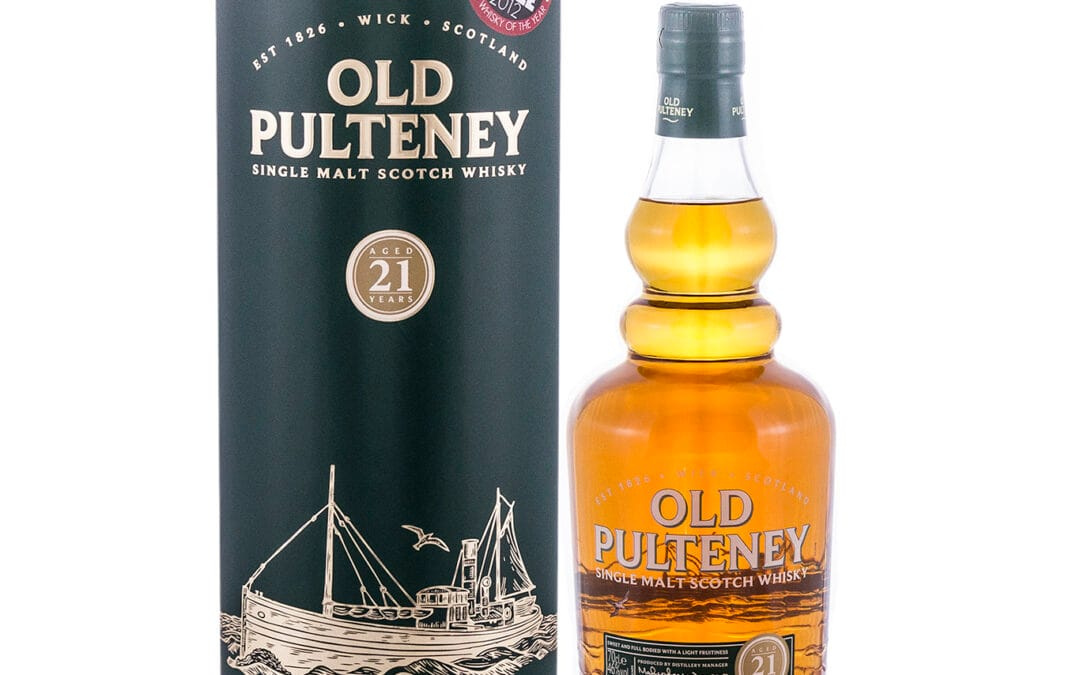
- Glenmorangie: Located in the northern Highlands, Glenmorangie is celebrated for its elegant and refined single malts. The distillery’s tall stills, among the tallest in Scotland, produce a light and floral spirit that is both approachable and sophisticated.
- Dalmore: With a history that dates back to the 13th century, Dalmore is one of the oldest and most respected distilleries in the Highlands. Its whiskies are known for their bold, full-bodied flavors and intricate cask maturation techniques.
- Oban: Situated on the west coast of the Highlands, Oban is a small but mighty distillery that produces whiskies with a distinctive maritime influence. Its single malts are characterized by a perfect balance of sweetness and smokiness.
How to Savor Like a Pro
To truly appreciate the nuances of Highlands Scotch, it’s important to enjoy it the right way. Here are a few tips to improve the taste:
- Choose the Right Glass: A tulip-shaped glass or a Glencairn glass is ideal for nosing and tasting whisky. These glasses help concentrate the aromas, allowing you to fully appreciate the whisky’s complexity.
- Serve at Room Temperature: It is best enjoyed at room temperature. Adding a few drops of water can help open up the whisky, releasing its aromas and flavors.
- Take Your Time: Whisky tasting is a sensory experience. Take a moment to appreciate the color, swirl the whisky in your glass, and inhale its aromas before taking a sip. Pay attention to the different flavors and how they evolve on your palate.
- Pair with Food: It pairs beautifully with a variety of foods. Try it with dark chocolate, smoked salmon, or a charcuterie board to complement its flavors.

Why Highlands Scotch Stands the Test of Time
It is more than just a drink, it’s a celebration of Scotland’s history, culture, and craftsmanship. Its enduring appeal lies in its ability to offer something for everyone, from bold and smoky expressions to light and delicate drams. The region’s commitment to quality and tradition ensures that every bottle of Highlands Scotch is a testament to the skill and dedication of its makers.
In recent years, many Highland distilleries have also embraced sustainability, adopting eco-friendly practices to reduce their environmental impact. This commitment to preserving the natural beauty of the Highlands ensures that future generations will be able to enjoy this liquid gold for years to come.
Final Thoughts
Highlands Scotch is more than just a whisky, it’s a journey through the heart of Scotland. Its rich flavors, storied history, and unparalleled craftsmanship make it a true treasure of the whisky world. Whether you’re enjoying a dram by the fireside or sharing a bottle with friends, it offers a moment of pure indulgence and connection to a centuries-old tradition.
So, the next time you’re in the mood for a whisky that embodies the spirit of Scotland, reach for a bottle of Highlands Scotch. Raise your glass, take a sip, and let the magic of the Highlands transport you to a world of flavor and wonder.
by asadrazzaqlahore | Jul 18, 2018
Highland The Highland region of Scotland is home to gentle glens, towering peaks, coastal scenery, and some of whisky’s most famous names. The distilleries in this area account for 25% of Scotland’s malt whisky production, which rises to 85% when the Speyside area is... by asadrazzaqlahore | Jul 18, 2018
American Whiskies America is one of the world’s largest whiskey producers, boasting an extensive range of offerings in numerous distinct styles. From sweeter Tennessee whiskeys to the spicey rye and corn expressions, the country offers something truly unique for...

by HOS | Jan 28, 2025 | New Release, Award-winning whiskies, Specials, Uncategorized, Whisky
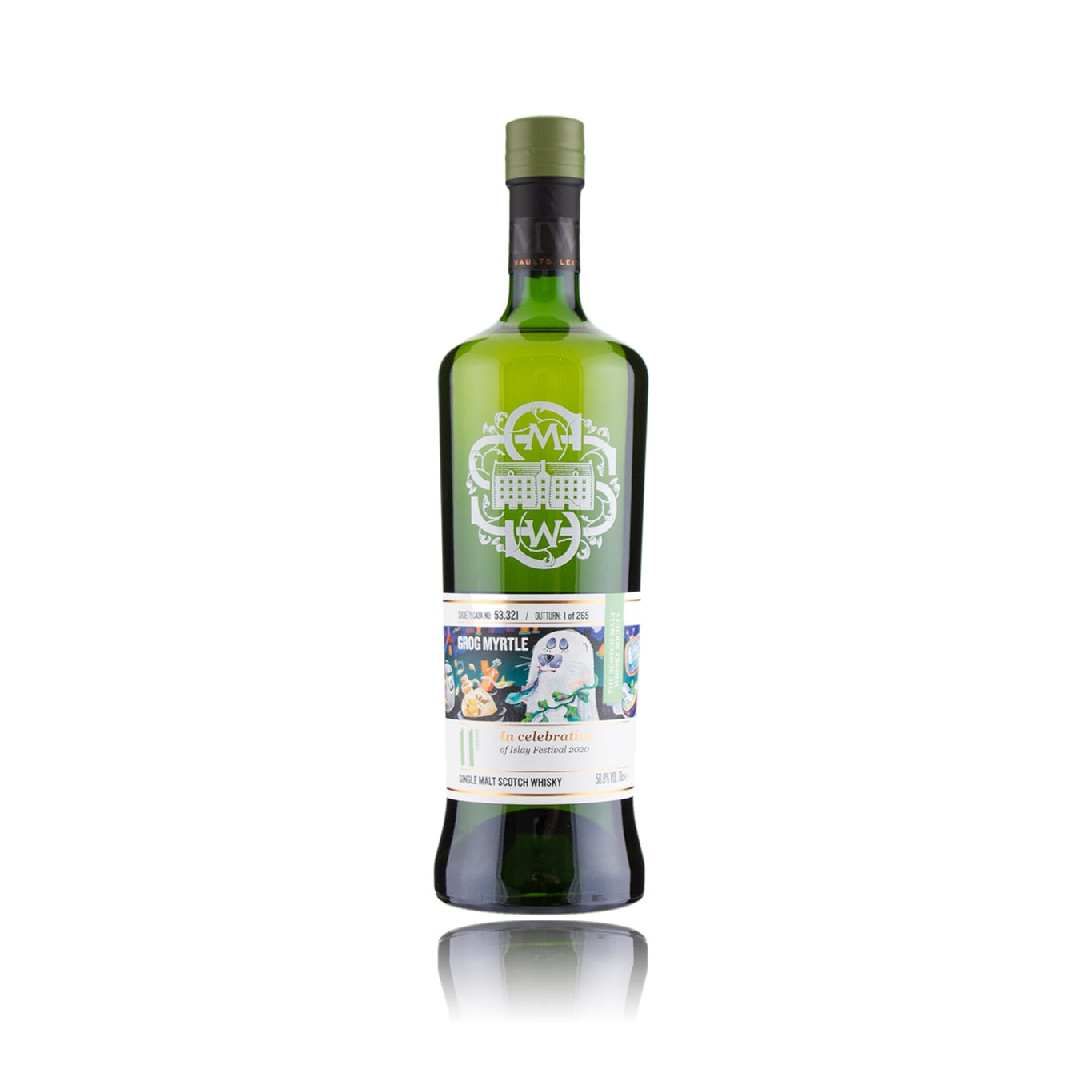
When it comes to whisky, Scotland holds an esteemed position as the birthplace of some of the world’s most celebrated spirits. Among the distinct whisky-producing regions of Scotland, Islay stands out for its unique, bold, and smoky whiskies that have captivated the palates of enthusiasts across the globe. Let’s delve into the world of Islay Whisky, exploring its history, characteristics, distilleries, and why it holds a special place in the hearts of whisky connoisseurs.
A Glimpse into Islay’s Whisky Heritage
Islay is one of the five whisky-producing regions of Scotland, situated off the country’s west coast. This small island, covering just over 600 square kilometers, boasts a rich whisky-making tradition dating back hundreds of years. The island’s natural resources, peat, fresh water, and maritime climate, play a crucial role in defining the distinct character. Early distillers relied on these elements to craft robust spirits, laying the foundation for the iconic flavors we associate with Islay Whisky today.
What Makes Islay Whisky Unique?
It is renowned for its intense and smoky flavor profile. This characteristic smokiness comes from the use of peat, a dense, organic material formed from decomposed vegetation in the island’s bogs. Peat is used to dry the malted barley during the whisky-making process, infusing the grain with its signature earthy, smoky aroma.
Key Flavor Notes
While peat and smoke dominate the palate, Islay whiskies also exhibit a range of complementary flavors, including:
- Briny and Salty Notes: A nod to the island’s coastal environment, where the sea breeze imparts subtle saltiness.
- Medicinal and Herbal Undertones: Many Islay whiskies have hints of iodine, seaweed, and medicinal flavors.
- Sweet and Fruity Layers: Despite their robust nature, some Islay whiskies offer surprising sweetness, with notes of honey, citrus, and stone fruits.
The diversity within the category ensures that there’s an Islay whisky to suit every preference, from the smoke-lover to the whisky novice looking to explore something new.
The Legendary Distilleries of Islay
Islay is home to nine active distilleries, each contributing its own twist to the island’s whisky story. Here are some of the most notable names:
Lagavulin
Known for its rich, smoky character and velvety texture, Lagavulin is a favorite among whisky aficionados. The 16-year-old expression is particularly revered for its balance of peat, sweetness, and spice.
Laphroaig
One of Islay’s most iconic distilleries, Laphroaig produces bold whiskies with medicinal and briny notes. Its 10-year-old offering is a quintessential Islay experience.
Ardbeg
Ardbeg is celebrated for its intense peatiness and complex flavors. Its whiskies often feature notes of dark chocolate, espresso, and spices, making it a treat for adventurous palates.
Bowmore
As the oldest distillery on Islay, Bowmore blends tradition with innovation. Its whiskies are slightly less peaty, showcasing a balance of smoke, citrus, and floral notes.
Bruichladdich
Known for its experimental approach, Bruichladdich produces a variety of styles, from unpeated to heavily peated whiskies. Its Port Charlotte and Octomore ranges are particularly sought after.
Caol Ila
This distillery offers a lighter, more approachable style, with a delicate balance of smoke, sweetness, and fresh fruit flavors.
Kilchoman
A newer addition to Islay’s whisky scene, Kilchoman is a farm distillery producing artisanal whiskies with a strong sense of place. Its commitment to traditional methods sets it apart.
Bunnahabhain
Bunnahabhain breaks the Islay mold with its focus on unpeated whiskies, offering a smoother, fruitier alternative while still embodying the island’s essence.
Ardnahoe
The newest distillery on Islay, Ardnahoe, combines traditional methods with modern techniques to create balanced, smoky whiskies.
Pairing with Food
Islay whiskies are more than just a drink; they’re an experience. Pairing them with food enhances their flavors and creates a harmonious culinary adventure. Here are some pairing suggestions:
- Smoked Meats: The smoky notes of Islay whisky complement smoked brisket, ribs, or salmon beautifully.
- Seafood: Oysters, scallops, and grilled fish highlight the briny, maritime qualities of the whisky.
- Cheese: Strong, aged cheeses like blue cheese or sharp cheddar balance the boldness of Islay whiskies.
- Dark Chocolate: Rich, bittersweet chocolate pairs well with the whisky’s smoky and sweet undertones.
Experimenting with pairings can help you discover new dimensions of Its complex flavors.
How to Enjoy Islay Whisky
The best way to enjoy this whisky depends on your personal preferences, but here are some tips to get you started:
- Neat
Sip the whisky neat to fully appreciate its aroma, flavor, and texture. - With Water
Adding a few drops of water can open up the whisky, softening the peat and revealing hidden layers of flavor. - In a Whisky Glass
A Glencairn glass or a tulip-shaped glass helps concentrate the whisky’s aromas, enhancing the tasting experience. - With Pairings
Try the whisky alongside food to create complementary flavor combinations.
For those new to Islay whisky, starting with a lighter, less peaty option—such as Caol Ila or Bunnahabhain, can be a great introduction before exploring the more intense offerings.
Final Thoughts
It isn’t just about the smoke, it’s about tradition, craftsmanship, and the island’s indomitable spirit. Each sip tells a story of the rugged landscapes, bracing sea air, and centuries of expertise that make Islay whiskies truly unique.
Whether you’re a seasoned whisky enthusiast or a curious newcomer, exploring the world of Islay Whisky is an unforgettable journey. From the peaty powerhouses of Laphroaig and Ardbeg to the nuanced elegance of Bowmore and Bunnahabhain, there’s a dram for everyone to enjoy.
So, pour yourself a glass, savor the bold flavors, and let it transport you to the heart of Scotland’s whisky heritage. Cheers!





Recent Comments