

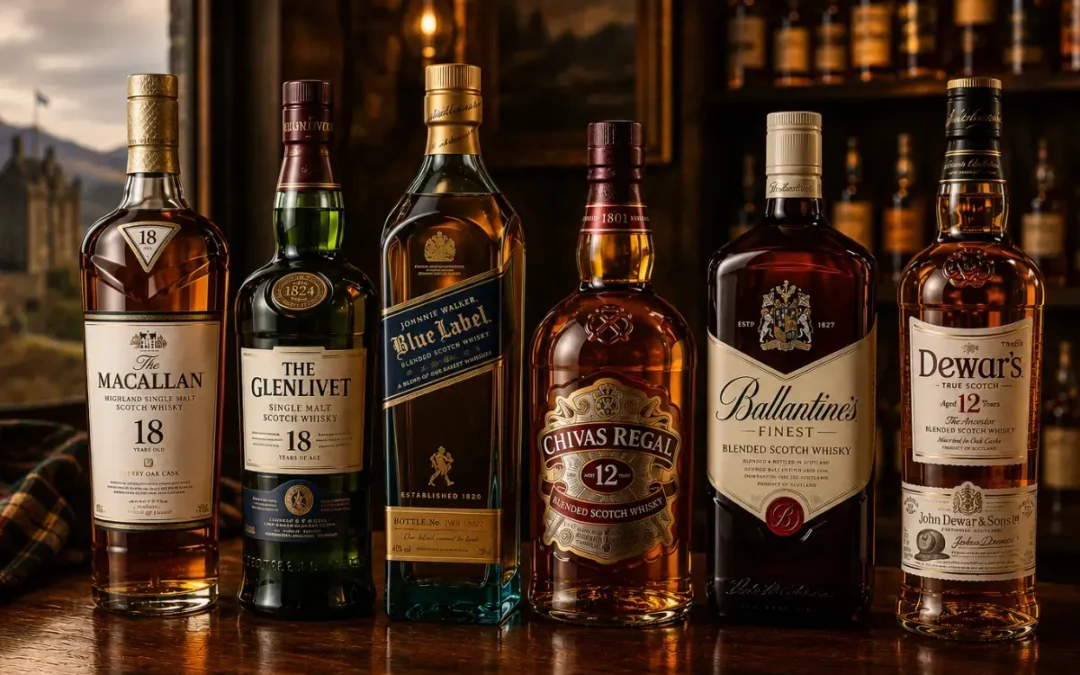
Walk into any decent liquor shop and the shelves of whisky can feel overwhelming. Dozens of labels, wildly different prices and cryptic numbers all compete for your attention. Choosing well is less about luck and more about knowing which details carry real meaning. Whether you are buying a gift or stocking your own cabinet, a few simple checks will keep you from overpaying. Fortunately, the process is simpler than it looks. This guide walks through what matters most, so your next bottle of Single Malt is one you will genuinely enjoy.
Age Statements: What the Number Really Tells You
An age statement tells you the youngest whisky in the bottle, measured in years spent in the cask. A 12-year-old contains nothing younger than twelve years, even if older stock was blended in. Older does not automatically mean better, though. Age adds depth and softness, but it also adds cost, and a well-made younger expression can outshine a tired old one. Treat the number as a clue to style and price rather than a guarantee of quality. Check the label carefully.
- 10–12 years: balanced, approachable
- 18+ years: rich, layered, costly
- NAS bottles: judge by flavour, not label
Cask Types: Where Flavour Is Born
Wood influence is often underestimated. Most of a whisky’s flavour comes from the cask it matures in. Ex-bourbon barrels lend vanilla, honey and coconut, while sherry casks bring dried fruit, spice and chocolate. Wine and rum finishes add further twists. When you pick a Single Malt, check whether the label names the cask and whether it was a full maturation or a short finish. Full sherry maturation costs more but delivers noticeably deeper character, so match the wood to your taste.
- Bourbon: light, sweet, vanilla-led
- Sherry: rich, fruity, spiced
- Port or wine: berry notes, softer edges
Price Tags: What You Are Paying For
Price reflects more than quality. Age, rarity, packaging, brand prestige and limited releases all push numbers upward. A premium cost for a Single Malt may buy a fancy box rather than better liquid. Set a budget first, then compare bottles within that range. Often the best value sits in the middle tier, where distilleries focus on liquid rather than marketing. Reading independent reviews helps you spot overpriced labels before you reach the checkout. Sales and bundles can help too.
- Entry level: great for learning your taste
- Mid-range: strongest quality for money
- Premium: rarity and collectability
Region and Flavour: Know Your Style
Where a whisky is made shapes its personality. Speyside bottles tend to be fruity and gentle, Highland releases lean towards richness and spice, and Islay is famous for smoky, peaty intensity. Lowland styles are light and floral. Each region offers a distinctive entry point. If you are unsure, start with a softer region and explore outward. Knowing your preference for sweet, smoky or spicy flavours narrows the shelf quickly and prevents expensive experiments that you may not enjoy.
- Speyside: fruity, gentle
- Highland: spicy, rich
- Islay: smoky, peaty
- Lowland: light, floral
- Campbeltown: briny, complex
Strength and Label Details Worth Reading
Small print on the label reveals a lot. Alcohol strength matters: 40% is standard, but 43–46% usually offers fuller flavour. Higher strength costs a little more, yet usually rewards you. Look for phrases like non-chill filtered and natural colour, which suggest less processing. Cask strength bottlings are powerful and intended to be diluted with water. A good Single Malt should state its distillery clearly, so be wary of vague labels that hide the source or rely on fancy storytelling instead of facts.
- Non-chill filtered: fuller texture
- Natural colour: no added caramel
- Cask strength: dilute to taste
Where and How to Buy Safely
Whether you buy single malt whisky online or in store, choose reputable retailers, specialist whisky shops or the distillery itself. Authentic sellers store bottles upright, away from heat and sunlight, and happily answer questions. Be cautious of unusually cheap listings, particularly online, because counterfeits and tampered seals do exist. Check the batch details, seal and fill level before paying. Many shops also sell miniatures, letting you sample a Single Malt before committing to a full bottle, which is a smart way to protect both your budget and your palate.
- Verify the seller’s reputation
- Compare prices across sellers
- Ask about storage and batch
A Quick Pre-Purchase Checklist
Before heading to the till, run through a quick mental checklist. It takes a minute and often saves a regretful purchase. Ask yourself whether the bottle suits your taste, your budget and the occasion. If it is a gift, consider the recipient’s preferences rather than your own. Do not be swayed by awards alone, since tastes differ widely. A little preparation turns a stressful decision into an enjoyable one, and builds confidence for every later purchase.
- Does the flavour match my taste?
- Is the price within budget?
- Is the seller trustworthy?
Final Thoughts
Buying whisky does not have to be intimidating. Focus on age statements, cask influence, fair pricing and trustworthy labelling, and the right bottle becomes much easier to spot. Start modestly, taste widely and keep notes on what you enjoy, because your preferences will sharpen with every glass. Remember that the best Single Malt is not the oldest or costliest, but the one that delights you most. Armed with these tips, you can shop with confidence and savour every sip. Happy shopping, and cheers to your next discovery.



Recent Comments